






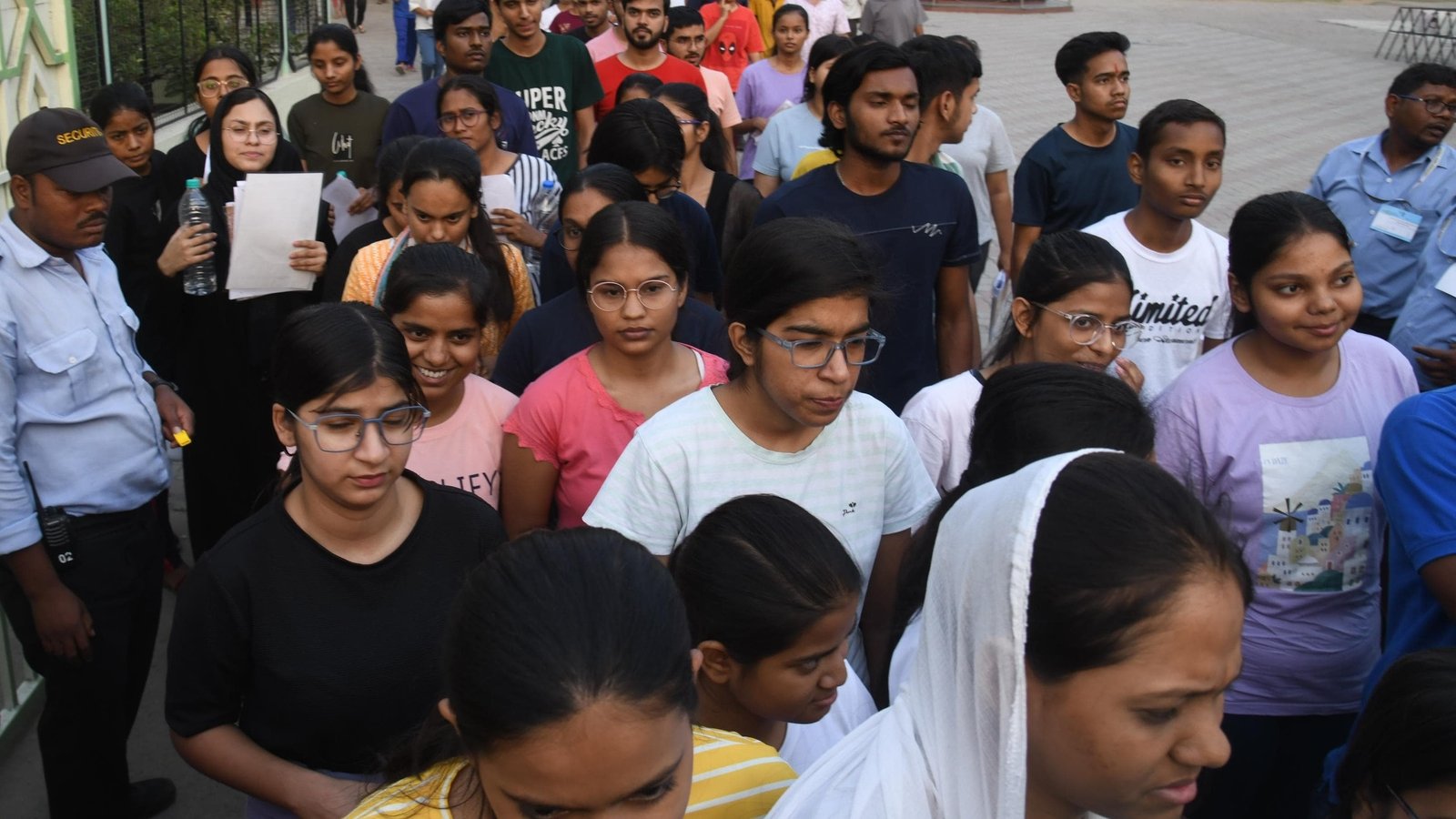
NEET-UG The National Eligibility cum Entrance Test for Undergraduates (NEET-UG) serves as a critical gateway for aspiring medical students in India. Established to create a unified platform for medical admissions, NEET-UG plays an essential role in determining eligibility for entry into numerous undergraduate medical programs across the country. The significance of this examination cannot be overstated, as it impacts the academic careers of thousands each year, paving the way for future healthcare professionals.
The NEET-UG examination typically comprises a series of objective-type questions covering subjects such as Physics, Chemistry, and Biology. Candidates are required to navigate through a comprehensive question paper designed to assess their knowledge and understanding of these subjects. The exam format has been standardized to ensure a level playing field for all participants; a uniform curriculum is followed, which allows for a fair assessment of each candidate’s capabilities. Such standardization is integral to the integrity of the admissions process, promoting transparency and accountability in selection.
Moreover, the NEET-UG examination underscores the importance of integrity and fairness, key tenets that are essential to building trust in the educational system. The examination process must be free from any malpractices or corruption, thereby providing equal opportunities for all candidates, regardless of their background. As aspiring medical students prepare for this critical examination, the emphasis on honesty and ethical conduct should resonate strongly within the examination framework. Upholding these principles is vital in ensuring that the NEET-UG stands as a credible assessment tool that reflects the true potential of each candidate, thereby aiding in the cultivation of a capable future healthcare workforce.
Details of the NEET-UG Leak Incident
The NEET-UG leak incident has emerged as a significant scandal that has drawn widespread attention across the nation. This scandal involved the illicit circulation of handwritten question papers prior to the examination, allowing a select group of students to gain an unfair advantage. Reports indicate that the operation was meticulously orchestrated, with individuals deeply entrenched in the educational system acting as facilitators. These insiders reportedly utilized their connections to acquire the question papers ahead of time.
The timeline of events leading to the scandal began some months before the exam date. As preparations for NEET-UG accelerated, certain individuals identified an opportunity to profit by leaking the exam material. It was established that the papers were not only leaked but were also carefully scanned and distributed among students willing to pay hefty sums for access. On average, students were noted to have paid amounts ranging from Rs. 5,000 to Rs. 50,000, depending on the level of exclusivity and confidentiality of the information provided.
The scale of this racket is alarming; it is estimated that hundreds of students may have benefited from the scandal, impacting the integrity of the NEET-UG examination process. Investigations have revealed a network of individuals involved in this operation, including teachers, organized groups, and even some officials. The detailed interrogation of suspects revealed how deeply rooted this corruption was, raising serious questions about the oversight and regulatory mechanisms in place within the examination framework.
In light of these revelations, the implications of the leak extend beyond individual culpability, highlighting systemic failures within the examination structure, and necessitating calls for comprehensive reforms to restore integrity to the NEET-UG process.
Impact on Students and the Education System
The recent NEET-UG exam leak has raised significant concerns regarding its impact on affected students and the overall education system. Students who have invested considerable time, effort, and resources in their preparation for this crucial examination now face a profound emotional and psychological toll. The breach of integrity in such a critical assessment can lead to feelings of betrayal, anxiety, and disillusionment among aspiring medical professionals. Many students are left questioning the credibility of their hard work and the fairness of the evaluation processes that determine their futures. The anticipation and expectations they carried into the examination have been drastically altered by this scandal.
Moreover, the NEET-UG scandal has broader implications for the education system. The erosion of trust in entrance examinations poses a serious threat to the foundational principles of meritocracy and fairness that these assessments are predicated upon. Students may become increasingly skeptical of competitive examinations, leading to a decline in their motivation and a potential shift away from pursuing higher education in the medical field.
In the long term, the integrity of academic evaluations could be compromised if such issues remain unchecked. This scenario raises concerns about the standards of education and the selection of future healthcare professionals. The ramifications extend beyond individual students, as the public’s confidence in academic institutions starts to waver. If systemic corruption and malpractice are not addressed, the integrity of competitive examinations may suffer irreparably, creating a cycle of distrust that ultimately undermines educational values.
CBI Probe: Investigation Findings and Next Steps
The ongoing investigation by the Central Bureau of Investigation (CBI) into the NEET-UG exam leak has revealed several alarming findings that raise significant concerns about the integrity of the examination process. Authorities have uncovered evidence suggesting that a network of individuals, including some exam officials and members of educational institutions, were allegedly involved in orchestrating the leak. This malpractices resulted in the distribution of handwritten question papers to select candidates, undermining the principle of a level playing field in competitive examinations.
To date, the CBI has conducted multiple raids across various locations, leading to the arrest of several individuals linked to this scheme. Among the important steps taken by the CBI includes the examination of digital records, phone logs, and financial transactions that may indicate collusion among the suspects. The investigation team has emphasized the need for a methodical approach to gather corroborative evidence, ensuring that all parties involved face appropriate legal action.
To prevent future occurrences of such scandals, the CBI recommends comprehensive reforms within the NEET-UG examination processes. This includes the implementation of advanced technologies such as biometric verification and AI-driven surveillance during examinations, to enhance security measures. Furthermore, establishing stricter guidelines for the appointment and oversight of examination officials has been proposed to prevent conflicts of interest and ensure accountability.
There is a collective call for a revamp of examination protocols, which must prioritize transparency and fairness. Stakeholders, including educational authorities, need to collaborate on developing a robust framework that not only safeguards the reliability of NEET-UG but also restores public trust in the examination system. As the investigation continues, it is critical for all involved to consider reforms that will solidify the integrity of future examinations.