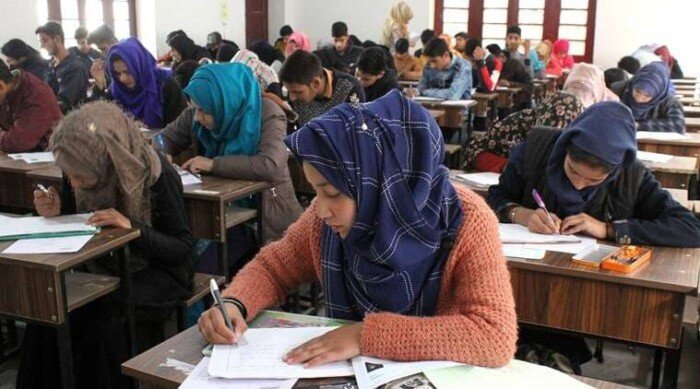





CBSE 10th Sanskrit Paper 2026 The Central Board of Secondary Education (CBSE) has made significant strides in its examination format, particularly for the 10th-grade level. The CBSE 10th Sanskrit Paper for the year 2026 exhibits a well-structured approach, mirroring the patterns of previous years while introducing some notable enhancements. The examination paper primarily comprises three sections: Section A, Section B, and Section C. Each section focuses on various aspects of language acquisition, literary comprehension, and grammar.
Section A consists of objective-type questions that test students’ knowledge of vocabulary and grammar rules. This format helps to facilitate a better understanding of linguistic nuances. Section B incorporates short answer questions that demand critical thinking and interpretation regarding prescribed texts, which reflect the curriculum’s emphasis on literary appreciation. Lastly, Section C features long answer questions that allow students to delve deeper into thematic elements and character analysis, encouraging a more profound engagement with the material.
The marking scheme for the 2026 Sanskrit paper maintains consistency with prior years, offering a total of 100 marks. Each section carries a specific weightage, ensuring that students’ performance is assessed holistically. A key feature of this year’s paper is the inclusion of a few questions aimed at evaluating analytical skills rather than rote memorization, which aligns with the evolving CBSE curriculum aimed at fostering critical thinking.
The overall tone of the paper is systematic and reflective of a balanced assessment approach, mirroring the academic rigor of previous years while incorporating modern pedagogical insights. Through these adaptations, the CBSE 10th Sanskrit Paper 2026 serves as a comprehensive tool for evaluating students’ proficiency in the language, preparing them well for their academic future.
Student Reactions: Experiences and Feedback
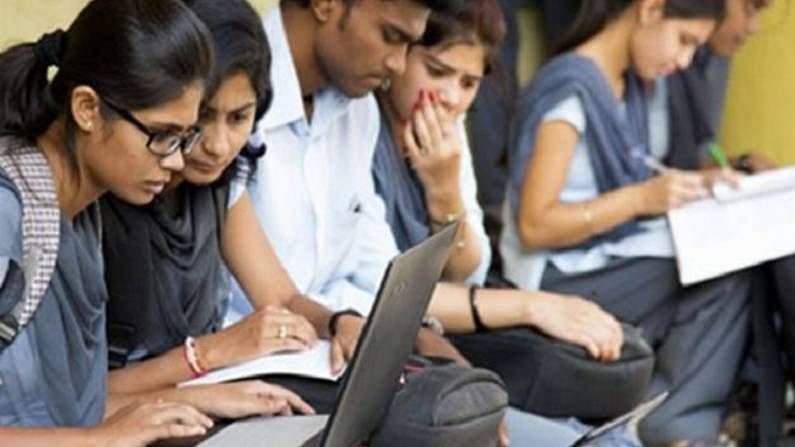
CBSE 10th Sanskrit Paper 2026 The reactions from students regarding the CBSE 10th Sanskrit paper of 2026 have varied significantly, reflecting a spectrum of experiences, emotions, and feedback. Many students expressed a sense of relief associated with the exam, particularly those who felt they had adequately prepared for the challenges presented. Riya Sharma, a student from Delhi, mentioned, “I felt the questions were mostly in line with what we studied. The grammar section was particularly easy for me, but the comprehension part was a bit tricky.” Such sentiments highlight the mixed feelings students experienced relative to different sections of the paper.
On the other hand, several students reported feelings of anxiety influenced by specific questions deemed unexpectedly difficult. For instance, Amit Gupta from Jaipur shared, “I was prepared for the usual format, but some questions were phrased in a way that completely threw me off. I panicked and second-guessed some of my answers.” Such instances underscore the challenges faced even by well-prepared candidates, raising questions about the clarity of exam questions and their alignment with the syllabus.
Moreover, a common theme emerged from interviews, where students discussed their preparation efforts and strategies leading up to the exam. Priya Singh, for example, indicated, “I relied heavily on past papers and mock tests, thinking that would help. However, I realized that I should have focused more on understanding concepts rather than just practicing questions.” This reflection highlights not only the students’ commitment to their studies but also the need for more comprehensive preparation methodologies in the context of the Sanskrit language.
Throughout these varying reactions, it’s evident that while some students felt confident and well-prepared, others encountered significant challenges. This juxtaposition of experiences enriches the conversation surrounding exam readiness and the pedagogical approaches to teaching Sanskrit within the academic framework.
As educators reflect on the recent CBSE 10th Sanskrit paper for 2026, a range of insights has emerged, highlighting both strengths and weaknesses in its design and execution. Teachers have noted that the content of the paper aligns with the prescribed syllabus, covering critical grammatical aspects, literature, and comprehension skills that are essential for students at this level. This adherence to the syllabus signifies a commitment to maintaining academic standards and effectively preparing students for higher-level studies.
Moreover, clarity in the questions posed was a significant focus among teachers. Many educators remarked that the paper was well-structured, with clear instructions that allowed students to understand what was being asked of them. This clarity is vital in ensuring that assessments accurately reflect student knowledge and abilities, without ambiguity leading to confusion. Teachers acknowledged that the well-articulated questions facilitated a more straightforward evaluation process, highlighting the overall effectiveness of the paper’s design.
In terms of student performance, educators expressed a mixed review. While some students excelled, demonstrating a solid grasp of vocabulary and syntax, others struggled, indicating that additional support may be necessary for students who find Sanskrit challenging. Teachers suggested that this variability in performance could also reflect the effectiveness of teaching strategies employed throughout the academic year. They emphasized the importance of ongoing assessments to identify learning gaps, thus allowing for tailored interventions that cater to individual student needs.
Finally, teachers concluded that the paper played an integral role in evaluating students’ knowledge in Sanskrit. By effectively assessing both linguistic competence and comprehension, the design of the paper facilitated a deeper understanding of student capabilities and areas needing improvement. This feedback is invaluable for future iterations of the paper, ensuring that the assessment continues to evolve in a manner that supports student learning and achievement.
Comparative Analysis: Trends and Predictions for Future Exams
CBSE 10th Sanskrit Paper 2026 The Sanskrit paper for CBSE Class 10 in 2026 reveals significant trends when compared to previous years. A meticulous examination of the papers from previous examinations, such as those in 2023 and 2024, indicates a shift in the difficulty level and question patterns. In recent years, there has been a noticeable emphasis on comprehension and application of knowledge, moving away from rote memorization. The introduction of case study-based questions and integrated learning scenarios in the 2026 paper illustrates how the board is prioritizing critical thinking and analytical skills.
Moreover, teachers have observed that the expectations from students are evolving. The curriculum is not only focusing on the core language skills but also on the cultural and contextual aspects of Sanskrit. For instance, the incorporation of practical applications of the language in contemporary contexts highlights a broader vision for language learning. This trend signifies a profound shift from traditional methods to a more holistic educational approach.
Another significant trend is the digitalization of resources and assessments. The 2026 Sanskrit paper reflected modern teaching techniques that are more aligned with digital literacy. Expecting students to engage with online resources and digital learning tools has become integral to their preparation. As educational practices continue to advance, it is reasonable to predict that future exams will further incorporate technology, providing students with varied platforms to demonstrate their knowledge.
In line with these observations, predictions for future CBSE exams suggest a continuous enhancement in the integration of innovative assessment methods. Students may encounter more interdisciplinary questions that require a synthesis of knowledge across subjects. The anticipation of further diversification in question types, including “open-ended” questions, points toward an enriching examination experience that not only tests proficiency in Sanskrit but also encourages students to connect dots across different disciplines.