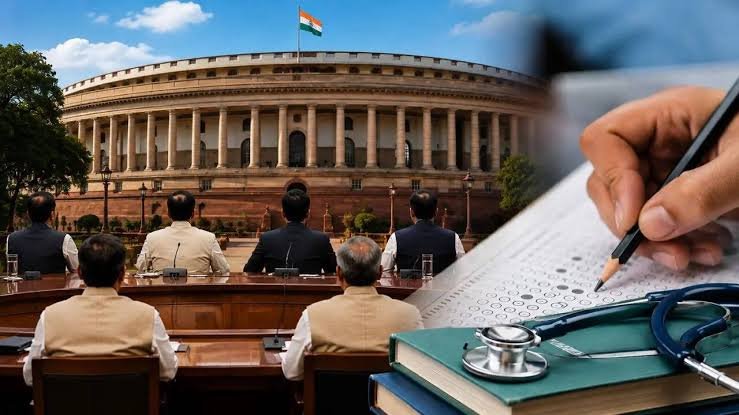
NEET The National Eligibility cum Entrance Test (NEET) has emerged as a significant focal point in India’s medical education landscape, with considerable implications for aspiring medical students. Introduced in 2013, NEET aims to standardize the admissions process for undergraduate medical courses across the country. However, the execution of the exam has not been without controversy. Stakeholders, including students, parents, and educational institutions, have raised concerns over various aspects of the exam, prompting discussions about its administration and the regulatory bodies involved.
One of the primary issues relates to the functioning of the National Testing Agency (NTA), the body responsible for conducting NEET. Critics argue that the NTA has faced challenges in ensuring transparency and fairness in the examination process. Irregularities such as reported inconsistencies in question papers and discrepancies in results have fueled skepticism among students and parents alike. These issues raise significant questions about the credibility of the exam, casting a shadow on the fairness expected in such a high-stakes environment.
Additionally, the National Medical Commission (NMC), which oversees medical education in India, has also faced scrutiny regarding its role in the NEET framework. There are concerns that the NMC’s guidelines and implementation strategies may not adequately address the needs of students or the systemic issues that have arisen. With increasing competition for medical seats, many stakeholders feel that the current policies and the functioning of these regulatory bodies require urgent reform.
In recent months, these rising concerns have led to calls for dialogue among stakeholders to evaluate the operational baseline of NEET, highlighting a need for a comprehensive review of the processes in place. The upcoming meeting on July 16 is expected to address these pivotal issues, paving the way for potential recommendations to improve the examination structure and safeguard the integrity of medical admissions in India.
Key Issues to be Addressed in the Upcoming Meeting
The health panel meeting scheduled for July 16 is poised to address several pressing issues related to the functioning of the National Testing Agency (NTA) and the National Medical Commission (NMC). One of the main concerns revolves around the alleged discrepancies noted in the NEET exam process. Numerous stakeholders, including students, educators, and advocates, have raised questions about the integrity of the examination, citing examples of irregularities that have cast doubt on the fairness of the results. These allegations demand thorough examination, as they may significantly affect the lives and futures of countless medical aspirants.
Moreover, the management of testing procedures by the NTA will also be under scrutiny. Concerns have been voiced regarding the procedural transparency, including how exams are administered and how the evaluation process is conducted. Stakeholders hope that the meeting will clarify the methodologies and technologies employed by the NTA to ensure accuracy and fairness in the examination processes. Understanding the operational framework of the NTA is crucial, as its effectiveness directly impacts the credibility of medical education in the country.
Additionally, the role of the NMC as a regulatory body will be a focal point of discussion. As the organization responsible for overseeing medical education in India, the NMC’s involvement is vital in formulating and enforcing standards that ensure both quality and equity in the medical field. Stakeholders will be looking for reassurances that the NMC is adequately fulfilling its mandate in protecting the interests of students and maintaining the integrity of medical education.
In conclusion, the upcoming health panel meeting is expected to address these significant concerns regarding the NEET examination process, the operational efficacy of the NTA, and the regulatory responsibilities of the NMC. The outcomes of this meeting will be closely watched by all parties involved, as they hold implications for the future of medical education in India.
Implications for Students and Medical Education in India
The forthcoming health panel meeting scheduled for July 16 is anticipated to bring significant implications for students preparing for the NEET exam and the broader landscape of medical education in India. As the National Testing Agency (NTA) and the National Medical Commission (NMC) are evaluated, various stakeholders are hopeful that the discussions will lead to reforms that benefit aspiring medical students.
One of the primary concerns surrounding the NEET exam is its policies and procedures, which have often sparked debate among students, educators, and parents alike. Potential changes arising from the meeting may include alterations to the exam format, eligibility criteria, or even the introduction of alternative pathways for admission into medical colleges. Such changes could either ease the pressure on students or increase the competitiveness of the admission process.
The anxiety felt by students as they prepare for NEET cannot be understated. Many young individuals have dedicated countless hours to their studies in hopes of securing a place in a medical college. The unpredictability of policy changes adds to their stress, especially for those who have been studying under existing guidelines. However, there remains a glimmer of hope that the health panel’s discussions may yield a more transparent and student-friendly approach toward medical admissions.
Moreover, the outcomes of this meeting will not only affect the current batch of students but will also shape the future of medical education in India. If changes are made to NEET policies, it could lead to a revamped system that better addresses the needs of students and the demands of the healthcare sector. Therefore, the health panel meeting could serve as a linchpin for the evolution of medical admissions in India, potentially fostering a more equitable educational environment.
Conclusion and Future Outlook
The recent health panel meeting has brought to light several critical issues surrounding the National Testing Agency (NTA) and the National Medical Commission (NMC) as they pertain to the conducting of the National Eligibility cum Entrance Test (NEET). One of the primary takeaways from the discussions is the recognition of the need for enhanced accountability and transparency within these entities. Stakeholders expressed the necessity for clear and structured processes, particularly concerning exam administration and regulatory oversight.
As participants discussed the operational challenges facing both NTA and NMC, a consensus emerged regarding the importance of adopting a more streamlined approach to address the concerns raised by candidates and educational institutions alike. Implementing effective communication channels and robust feedback mechanisms may bolster candidates’ confidence in the NEET process and enhance the overall credibility of medical examinations in India.
Looking forward, the health panel agreed on the significance of persistent dialogue among stakeholders, including government bodies, educational institutions, and the broader medical community. Future meetings may serve as a platform for continuous evaluation of the NEET framework, allowing for adaptations that reflect the evolving educational landscape. The potential introduction of technology-driven solutions was also discussed as a means to improve the integrity and efficiency of the examination process.
Long-term changes may arise as a consequence of this meeting, not only affecting regulatory practices but also shaping public perception of medical examinations. The emphasis on responsiveness and responsibility from both NTA and NMC could lay the groundwork for a more equitable examination environment, ultimately benefiting aspiring medical professionals in their pursuit of education. As the regulatory bodies commit to implementing the changes discussed, the future of the NEET exam will likely reflect these improvements, fostering transparency and trust among all stakeholders involved.