
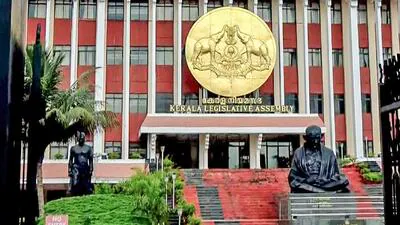
The Kerala Assembly has recently passed a resolution aimed at reforming the National Entrance Exam system, specifically addressing concerns surrounding the National Eligibility cum Entrance Test (NEET). This significant development arises from increasing apprehensions within the state regarding the comprehensive implications of NEET on students and the broader educational landscape. With Kerala being home to a high percentage of medical aspirants, the Assembly’s decision underscores deep-rooted frustrations that many stakeholders, including students, educators, and policymakers, have expressed about the exam’s impact on the quality of education and accessibility of opportunities.
One of the primary concerns leading to this resolution is the perception that NEET contributes to a centralized and uniform approach to medical education that may not consider the unique needs and contexts of individual states. In Kerala, there has been an ongoing debate about how this national examination can inadvertently exacerbate existing inequalities, particularly favoring students from urban centers over those in rural areas, thereby diminishing the chances for many deserving candidates.
Moreover, the Assembly has highlighted issues related to the exam’s format and evaluation criteria, which they argue do not accurately reflect the competencies required to excel in the medical field. The rigidity of NEET has raised questions about the holistic assessment of students’ capabilities, often causing high levels of stress and anxiety among those preparing for the examination. As a response, the resolution seeks to initiate discussions at the national level to reconsider the structure and impact of NEET on students, advocating for a more regionally attuned and equitable examination system.
Criticisms of NEET: Key Concerns Raised
Kerala Assembly The National Eligibility cum Entrance Test (NEET) has garnered significant scrutiny since its implementation, primarily revolving around various key concerns. One of the major criticisms is the perceived lack of fairness associated with the examination. Detractors argue that NEET does not adequately account for the diverse educational backgrounds of students, particularly those from rural or underprivileged areas. This inequity is poised to disadvantage students who may not have access to quality coaching or preparatory resources, leading to overwhelming disparities in performance outcomes.
Moreover, there are apprehensions regarding the uniformity and standardization that NEET aims to impose. Critics assert that the one-size-fits-all approach fails to consider regional variations in education systems, individual learning paces, and unique strengths of students from different socio-economic backgrounds. Such discrepancies create an environment where access to medical education is restricted primarily to those able to excel in a highly competitive setting, thereby marginalizing a significant part of the student population.
Further complicating the discourse surrounding NEET is its impact on the accessibility of higher education. Many contend that the high-stakes nature of the exam fosters an atmosphere of anxiety and pressure among students, potentially discouraging enthusiastic aspirants from pursuing careers in medicine. The competitive stress attributed to NEET may not only deter dedicated candidates but also lead to mental health implications for those affected. These issues raise critical questions about the viability of NEET as a fair and holistic assessment tool for aspiring medical professionals.
As these concerns continue to percolate within academic and political circles, the call for reform of the entrance examination system grows louder, encapsulating a broader desire for inclusivity and equity in medical admissions.
Implications of the Resolution on National Education Policies
The resolution passed by the Kerala Assembly calling for reforms in the national entrance exam system and expressing concerns regarding the National Eligibility cum Entrance Test (NEET) has far-reaching implications for national education policies. This legislative move by Kerala could serve as a catalyst for rigorous debate regarding the fairness and accessibility of entrance exams across India. Education stakeholders may begin to scrutinize the existing frameworks which currently govern these exams, particularly those that emphasize a one-size-fits-all approach.
As Kerala’s resolution gains momentum, other states may feel encouraged to voice their own concerns about the national education policies, fostering a diverse dialogue over potential reforms. This could lead to propose new legislation out of an increasing awareness of regional disparities in educational access. In particular, discussions may center around how the current system disproportionately affects economically and socially disadvantaged groups, thus undermining the principles of inclusive education.
Furthermore, the resolution highlights the necessity for entrance exam reforms beyond NEET, advocating for a more equitable approach that could encompass various competitive exams. This call could illuminate the need for an overhaul of not only NEET but also other assessments that impact students’ access to higher education, making the entrance system more democratically attuned to the diverse population of students in India.
Moreover, if Kerala’s push for reform gains traction, it can also trigger a domino effect where states collaborate to develop alternative pathways to educational opportunities, informed by their unique socio-economic contexts. Such a movement could set a precedent in which educational policies are restructured to prioritize fairness, accessibility, and equity in the assessment processes, ultimately enhancing the overall educational landscape in the country.
The Response from Stakeholders and the Path Forward
The Kerala Assembly’s resolution advocating for reforms to the national entrance exam system has sparked a varied response from numerous stakeholders, each holding a distinct view on the implications of this decision. Students, particularly those from the state, have expressed a mix of enthusiasm and skepticism regarding the introduction of reforms. Many feel that the current system, particularly the National Eligibility cum Entrance Test (NEET), has disproportionately disadvantaged students from rural areas, thereby limiting their opportunities for pursuing higher education in the medical field. They believe that a more localized approach to entrance examinations could better reflect the academic capabilities and potential of candidates from diverse backgrounds.
Educators, on the other hand, have welcomed the initiative with cautious optimism. They argue that the present examination system often prioritizes rote learning over critical thinking and creativity. By advocating for reforms, the Kerala Assembly may be paving the way for assessments that could lead to a more holistic evaluation of students’ capabilities. This perspective aligns with a growing call among educational professionals to adapt policies that prioritize equitable access to education and fair assessment methods.
Policymakers and governmental organizations, while recognizing the concerns raised, stress the complexities involved in implementing such reforms on a national level. They emphasize the need for comprehensive dialogue among various state governments and educational institutions to ensure a smooth transition to a revised examination system. As discussions continue, the sharing of best practices and experiences from different states could aid in formulating a more cohesive strategy.
Looking ahead, the Kerala Assembly’s resolution presents an opportunity for collective advocacy for reforms that not only address the concerns surrounding NEET but also strengthen the entrance exam processes throughout India. Engaging stakeholders in ongoing dialogues will be crucial in navigating the path forward, ensuring that the educational policies of the future genuinely cater to the diverse needs of all learners across the country.