




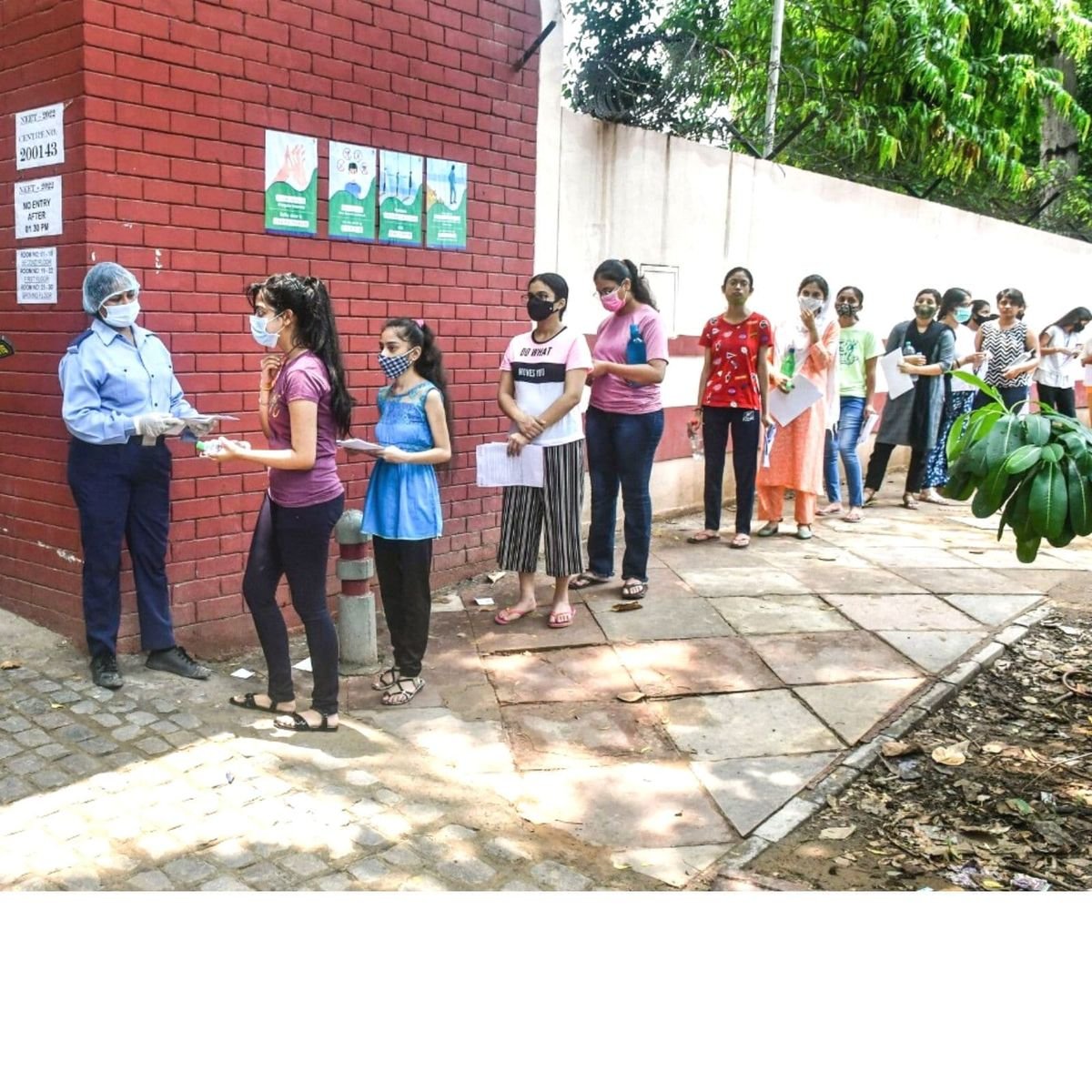
NEET Paper Leak The NEET (National Eligibility cum Entrance Test) paper leak incident that emerged earlier this year has raised significant concerns regarding the integrity of one of India’s most critical examinations for aspiring medical students. The timeline of events began when irregularities were reported during the examination period, prompting immediate investigations by the National Testing Agency (NTA), the body responsible for conducting the NEET.
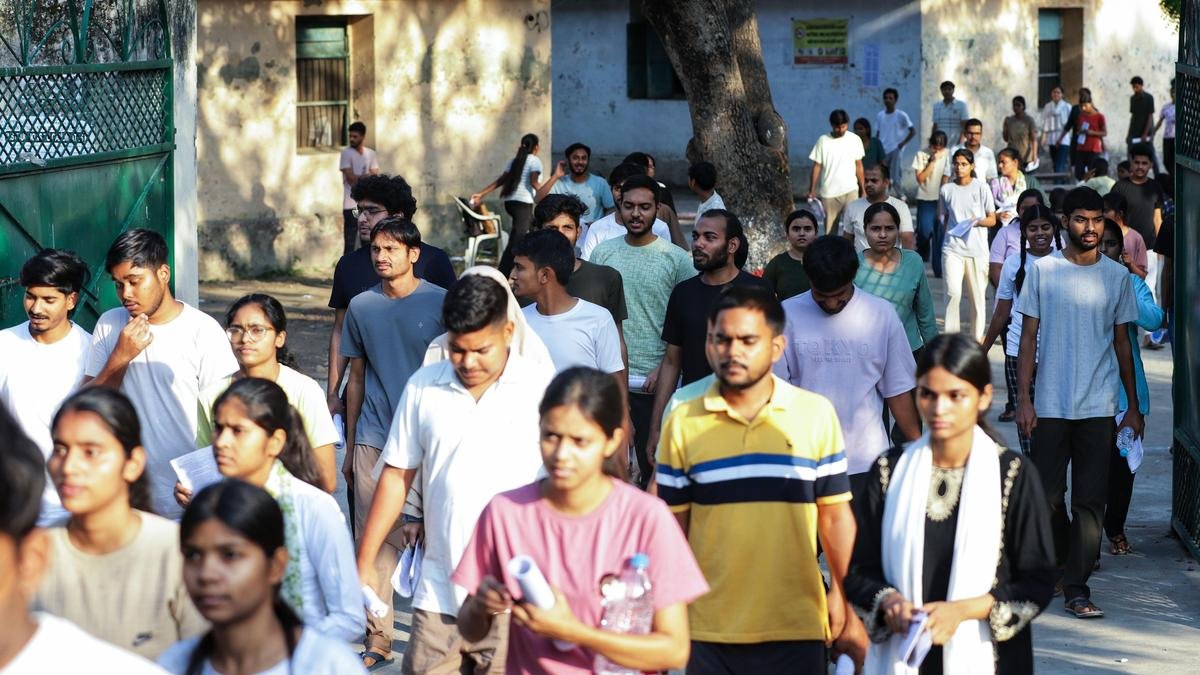
Initially, on the day of the examination, a few students approached authorities claiming they had been exposed to exam papers prior to the official examination time. These allegations ignited a series of responses from the NTA, which culminated in extensive scrutiny of examination protocols and security measures. Over the course of several days, authorities reviewed previous examinations and conducted interviews with various stakeholders, including students, proctors, and examination center staff.
The investigation revealed that a group of individuals had orchestrated a sophisticated scheme to leak the exam papers. These findings culminated in multiple arrests, highlighting the deeper systemic issues within the examination administration. The reaction from students and parents was understandably intense, with many expressing outrage and demanding accountability from the NTA. Social media platforms were flooded with concerns regarding the implications of the leak for fairness in the examination process.
Ultimately, the NEET paper leak incident raises poignant questions not only regarding the credibility of the examination but also concerning the broader implications for educational integrity in India. As stakeholders reel from the incident, discussions about enhancing security measures, revising examination protocols, and potentially reevaluating registration fees to fund these improvements have begun. The NEET controversy underscores the critical importance of maintaining academic integrity, which is essential for ensuring that aspiring medical professionals are selected through a fair and transparent process.
Examining the Role of NTA (National Testing Agency)
The National Testing Agency (NTA) was established by the Government of India to conduct entrance examinations for various academic programs, with the National Eligibility cum Entrance Test (NEET) being one of its flagship assessments. The primary objective of the NTA is to enhance the quality and transparency of the examination process, ensuring a fair assessment for all candidates. NTA’s responsibilities include designing the examination format, developing the syllabus, and conducting the tests in a manner that minimizes the potential for malpractice.
One of the key aspects of the NTA’s structure is its commitment to maintaining the integrity of its assessments. The agency has implemented various technological advancements to bolster its examination processes, including the use of biometric identification and sophisticated encryption methods for data protection. Despite these measures, the recent NEET paper leak controversy raises questions about the effectiveness and accountability of the NTA. It necessitates a reevaluation of the agency’s strategies for safeguarding examination integrity and preventing incidents of cheating.
In light of the controversy, the NTA must assess its existing protocols and consider introducing additional measures to enhance oversight and accountability. This might involve a comprehensive review of hiring practices for staff involved in test administration and further investment in security technologies. Furthermore, implementing rigorous audits and regular background checks might serve to deter any potential breaches of trust. Ultimately, the public’s faith in the NTA and the NEET examination hinges on the agency’s ability to respond to such challenges effectively, fostering an environment that protects candidates’ interests and ensures equal opportunities for all candidates.
The Financial Aspects of NEET: Registration Fees and Accessibility
The registration fee for the National Eligibility cum Entrance Test (NEET) stands at Rs 50, a nominal amount that serves as a significant factor in the accessibility of this crucial examination for aspiring medical students across India. This affordable fee structure is pivotal in ensuring that students from diverse socioeconomic backgrounds can participate in a competitive environment aimed at securing a future in healthcare. However, it is essential to understand the broader implications of the examination’s financial aspects amid the recent controversies surrounding paper leaks and other issues.
Affordability in examination fees is not merely a question of cost; it reflects the underlying commitment to educational equity. With many candidates coming from economically disadvantaged families, a low registration fee can lower barriers to access and encourage participation in the examination. Conversely, elevating the registration costs would undoubtedly limit opportunities, forcing students to weigh the financial burden against the potential benefits of pursuing a medical career. Despite the recent upheaval linked to paper leaks, the fairly priced examination means that students can still view the investment in their education as feasible.
Furthermore, a cost-benefit analysis reveals the significance of such a registration fee in light of the heightened interest in NEET. Candidates are often compelled to invest time, resources, and money in preparatory courses, materials, and practice tests. In this context, the low fee acts as a minimal financial risk despite the ongoing issues surrounding the examination’s integrity. Even when faced with uncertainties regarding the examination process, the manageable fee allows for continued enrollment, keeping the pathway to medical education open for many aspiring students. As debates regarding the overall structure and integrity of NTA ensue, maintaining an accessible fee remains essential for preserving equal opportunities in the medical field.
Future of NEET Exam and Recommendations for Improvement
The NEET exam, a pivotal gateway for aspiring medical students in India, has recently faced considerable scrutiny following the paper leak controversy. The implications of such an incident extend beyond immediate ramifications; they underline the necessity for significant reforms in examination protocols and security measures. As we look to the future of the NEET exam, it is essential to consider how the integrity of the examination process can be safeguarded while ensuring fairness for all candidates.
One of the key measures that can be implemented is the enhancement of security protocols during examination administration. The adoption of advanced technologies, such as biometric identification and real-time surveillance in examination centers, could deter potential leaks. Additionally, employing multiple sets of question papers can minimize the risk of widespread cheating and uphold the credibility of the examination.
Moreover, it is crucial for the National Testing Agency (NTA) to reassess its operational structure. This involves a thorough evaluation of staff training programs to foster a culture of integrity and vigilance. NTA should collaborate with experienced professionals from other established examination boards, drawing from their best practices to ensure a robust framework that prioritizes transparency and accountability.
Further recommendations include implementing stringent anti-cheating measures, such as the use of technological tools to detect and prevent malpractice during examinations. Regular audits and assessments of examination processes could help identify loopholes and improve overall efficiency. Establishing a transparent grievance redressal mechanism will allow candidates to voice concerns and contribute to a more equitable examination environment.
In conclusion, the NEET exam must evolve to meet contemporary challenges. By focusing on security enhancements, structural reforms within the NTA, and adopting best practices from various sectors, the future of the NEET exam can be secured, ensuring fairness and credibility for aspiring medical professionals in India.