

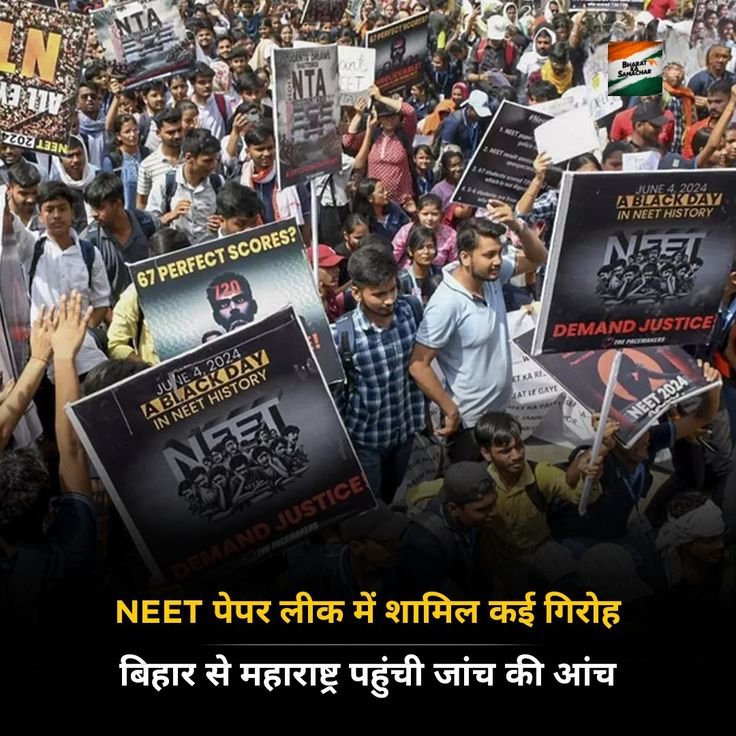
NEET Leak Probe The National Eligibility cum Entrance Test (NEET) serves as a conduit for aspiring medical students in India, assessing their readiness for entering medical colleges across the nation. As a pivotal examination, its integrity is paramount; however, recent developments have unveiled a troubling situation regarding a potential leak. Initial reports indicate that the NEET leak probe began when authorities received allegations concerning the unauthorized dissemination of examination questions prior to the test.
Given the significance of this exam within the Indian education framework, the integrity of NEET is crucial not only for sustaining public trust but also for ensuring that meritocracy prevails in medical admissions. This leak probe has initiated a multifaceted investigation involving various stakeholders including examination authorities, law enforcement agencies, and educational boards. The investigation aims to uncover the extent of the breach, the methodology behind the leak, and the individuals implicated.
Prominent figures connected to the case have come under scrutiny, with some linked directly to organized efforts purportedly aimed at enabling candidates to gain unauthorized access to exam materials. Among these individuals, a local beautician has reportedly been identified as a key player in the alleged scheme, underscoring the complexity and unexpected nature of participation in such illicit activities.
The authorities involved in the NEET leak probe are committed to maintaining transparency throughout the investigation. Their efforts include rigorous interrogations and forensic analyses to piece together the timeline of events leading to this significant breach of academic integrity. As the probe continues, it is imperative to address the ramifications not only for those implicated but also for the educational system reliant on fair assessments for future medical practitioners.
Link to Beautician: An Emerging Controversy
The recent developments in the NEET leak probe have brought forth startling revelations, notably concerning a beautician reportedly linked to the scandal. Allegations suggest that this individual may have facilitated access to examination materials, raising questions about the integrity of the NEET process. The beautician, known for operating a salon in close proximity to Kota, a hub for aspiring medical students, reportedly utilized her network to connect students with individuals directly involved in the leak.
Investigators have begun to examine records related to communications between the beautician and several students who partook in the NEET examination. Evidence such as text messages and phone call logs is being analyzed to ascertain the depth of her involvement in the alleged conspiracy. This link has sparked a broader conversation regarding the security measures in place for examinations and how easily such a breach can occur. The public reaction has pointed to a pervasive sentiment of distrust, as many wonder how deep the corruption runs and whether it reaches educational institutions themselves.
Importantly, this controversy arises amidst growing concerns about the effectiveness of oversight in the education system, especially in high-stakes examinations like NEET. The incident has the potential to undermine years of efforts aimed at systematizing test-taking protocols and reinforcing academic integrity. If the allegations hold, it may result in substantial changes in how such examinations are monitored and managed in the future, thereby impacting student access and equity in relation to the NEET process.
Furthermore, this situation emphasizes the necessity for rigorous scrutiny and enforcement of regulations governing the conduct of examinations in India. As investigations progress, the outcomes may serve as a pivotal moment for policymakers to address the vulnerabilities that currently exist within the education framework.
Kota’s Retest Rush: A Reaction to the Leak
The recent leak of the NEET examination has sent shockwaves through the academic landscape, particularly in Kota, a city renowned for its coaching institutes that prepare students for competitive exams. The revelation of the leak has prompted severe repercussions, leading to a heightened demand for retests among students. With thousands of aspiring medical students gearing up for the National Eligibility cum Entrance Test, the uncertainty surrounding the integrity of the exam has created an urgent environment for both students and educational institutions.
In response to the leak, several coaching centers have reported a significant influx of inquiries regarding retest opportunities. Students, who have invested years into preparation, find themselves grappling with heightened anxiety and fear regarding their future. The emotional and mental toll on these individuals is considerable, as many worry that the efforts they have poured into their studies may be undermined by circumstances beyond their control.
Educational institutions are taking measures to address this crisis, implementing strategies aimed at easing student concerns. Many have begun offering additional tutoring sessions, mock examinations, and counseling services. These initiatives aim not only to enhance academic preparedness but also to provide emotional support during this tumultuous period. The overall goal is to alleviate some pressure and anxiety faced by the students as they navigate the ever-changing landscape of educational standards.
Moreover, conversations among stakeholders, including educational authorities, coaching centers, and student organizations, have been initiated to explore long-term solutions. Strategies being discussed include stricter examination protocols and increased transparency in evaluation processes. As the situation continues to evolve, the collective aim remains clear: ensuring that all students, regardless of the recent setbacks, are given a fair opportunity to demonstrate their knowledge and skills in a secure environment.
Conclusion and Future Implications
The recent developments surrounding the NEET leak probe and the involvement of beauticians have raised significant concerns about the integrity of the examination process in India. As this situation continues to unfold, it is evident that the NEET examination, which plays a critical role in determining medical college admissions, is under scrutiny. The gravity of these allegations necessitates a thorough investigation to ensure that malpractice does not taint the educational system.
Moreover, the rush for retests in Kota highlights the urgency with which educational authorities are responding to the crisis. This reaction is not merely an administrative maneuver; it reflects the broader implications of maintaining credibility in academic assessments. Stakeholders, including students, educators, and policymakers, must advocate for robust measures that fortify the examination framework against future breaches. The establishment of stricter protocols, enhanced surveillance during examinations, and the use of technology to secure test environments may be essential steps in preserving the sanctity of the assessment system.
The incident serves as a pressing reminder of the need for continual reform in educational policies to foster a culture of integrity. As India aspires to elevate its educational standards, protecting the integrity of assessments is paramount. Future reforms may also include more comprehensive vetting processes for examination personnel and enforcing accountability at all levels involved in the examination process.
In conclusion, the NEET leak incident underscores a pivotal moment for India’s educational framework. The outcomes of the ongoing investigations and subsequent responses could set a precedent for maintaining accountability, ensuring that students’ futures are safeguarded against unethical practices in academic assessments.