


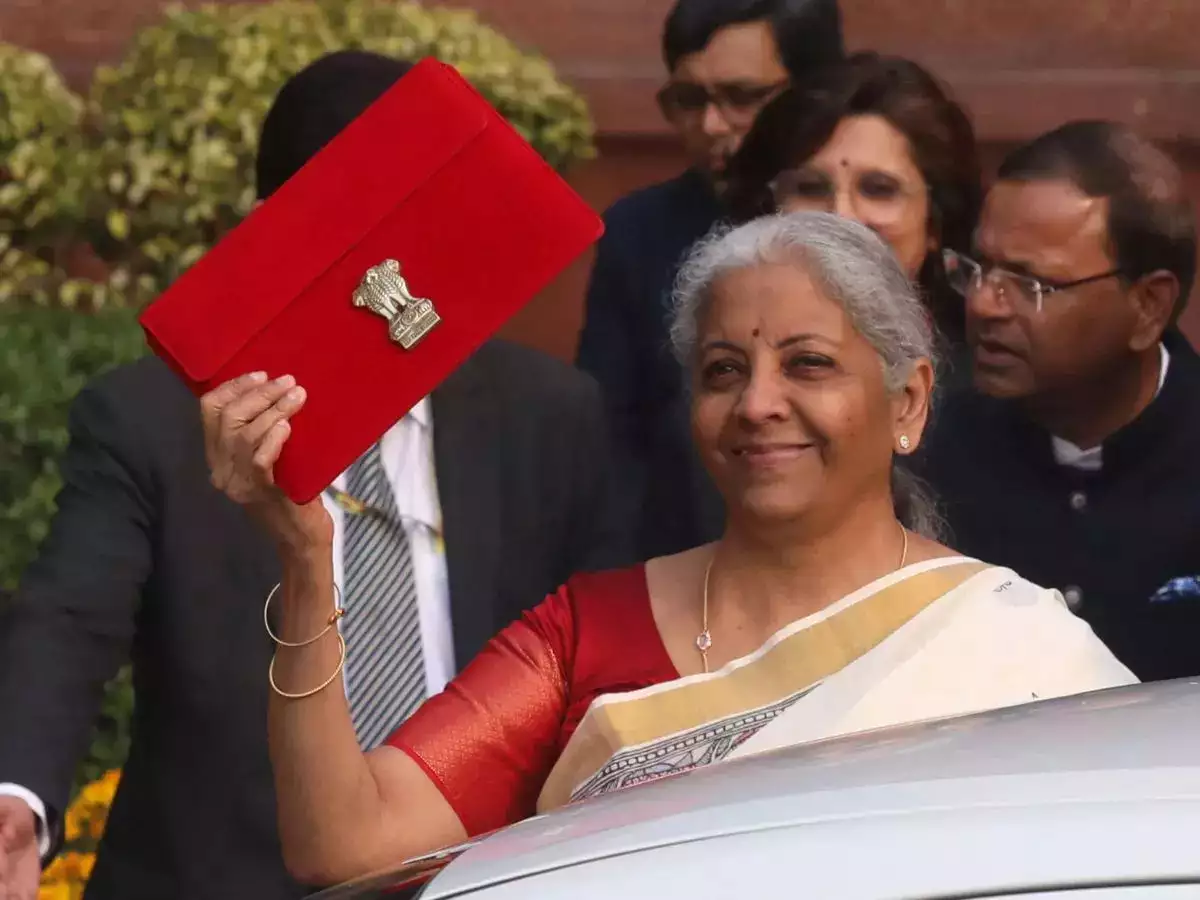
Medical College Seats in India : In a significant stride towards enhancing the healthcare landscape in India, Finance Minister Nirmala Sitharaman recently announced the expansion of medical college seats across the nation. This pivotal decision responds to the growing need for a robust healthcare workforce, particularly in light of the increasing population and evolving health challenges the country faces. The current environment reveals a stark discrepancy between the demand for qualified medical professionals and the available training opportunities, necessitating this expansion.
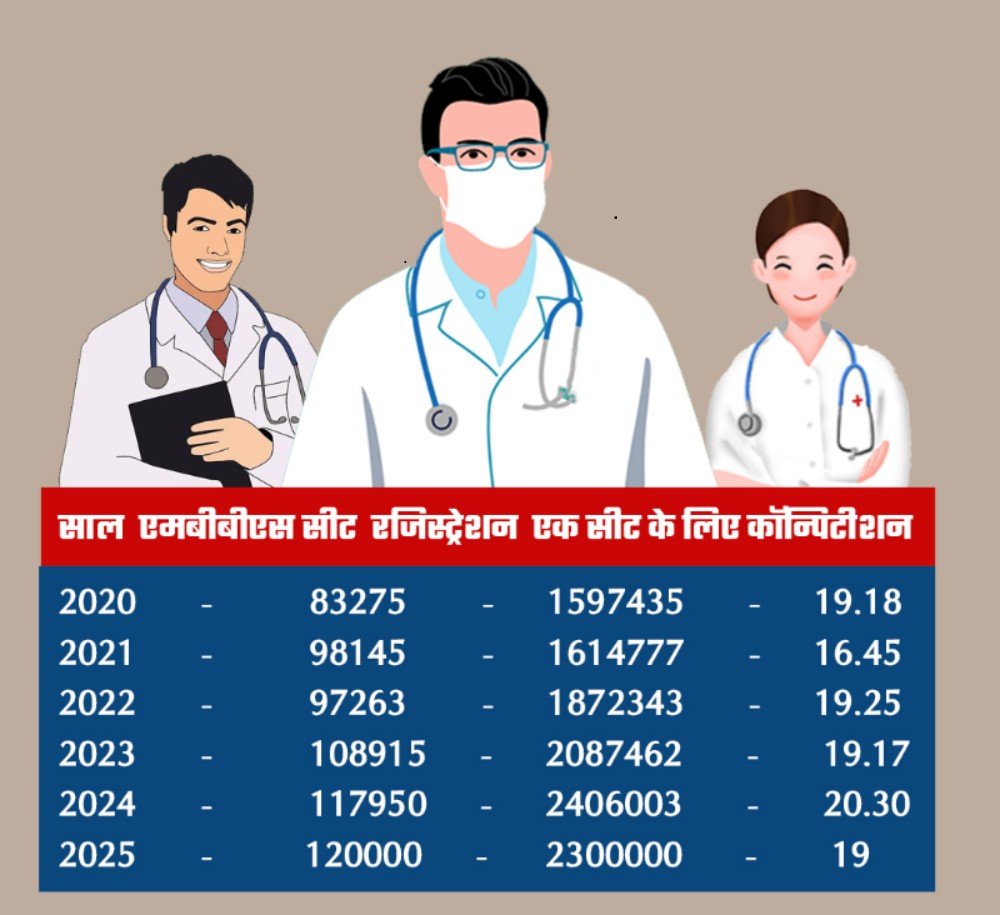
As of now, India has approximately 90,000 medical seats available annually in various government and private medical colleges. However, this number is insufficient to meet the healthcare demands arising from a rapidly growing population and emerging health issues, which have become even more evident during the global pandemic. The shortage of qualified doctors in rural and underserved urban areas has been a persistent challenge, compelling authorities to reconsider the medical education framework in India.
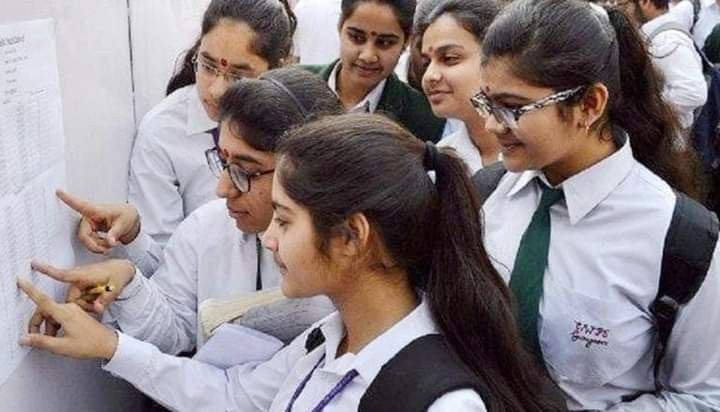
Additionally, the significance of augmenting medical college capacity is underscored by the increasing aspirations of students eager to pursue a career in healthcare. The competition for seats in medical colleges has become intensely fierce, leaving many deserving candidates without options. By doubling the number of seats, the Indian government not only aims to alleviate this bottleneck but also seeks to ensure that medical education is accessible to a more diverse pool of candidates, including those from economically weaker sections.
This initiative holds promising implications for aspiring medical students. Not only does it increase accessibility to medical education, but it also contributes to long-term goals of improving healthcare quality and availability across the nation. By fostering a new generation of healthcare professionals, the expansion of medical college seats can potentially transform the Indian healthcare sector, paving the way for a healthier future.
Details of the Proposed Seat Increase : Medical College Seats in India
The announcement by Finance Minister Nirmala Sitharaman regarding the expansion of medical college seats in India marks a significant move towards enhancing healthcare education. Specifically, the proposal entails an addition of 10,000 medical seats for the upcoming academic year, with an ambitious target of 75,000 new seats over the next five years. This initiative is pivotal in responding to the growing demand for qualified medical practitioners across the country.
The allocation of these new seats is designed to address regional disparities in healthcare education, ensuring that states and areas with lower medical college availability are prioritized. For instance, states like Uttar Pradesh and Maharashtra, which have an already robust healthcare system, may receive a different distribution of seats compared to states like Arunachal Pradesh or Jharkhand, where healthcare infrastructure is still developing. Such equitable distribution is crucial to improving medical service accessibility nationwide.
A critical aspect of this proposal is the variety of institutions involved. Both government and private medical colleges are included in this expansion plan. While government institutions are expected to receive a substantial number of additional seats due to their pivotal role in providing inexpensive education, private medical colleges will also contribute significantly to this initiative. The involvement of private entities in accommodating more students is essential in meeting the urgent need for healthcare professionals, particularly in underserved regions.
This expansion initiative not only aims to increase the sheer number of available seats but also strives to elevate the quality of medical education and training across the nation. By investing in healthcare education, the government anticipates an eventual improvement in healthcare services offered throughout India, ultimately benefiting the population’s well-being.
Impact on Healthcare and Employment
The expansion of medical college seats in India is positioned to significantly transform both the healthcare delivery system and employment landscape. As the number of medical graduates increases, one of the foremost expected outcomes is an enhancement in healthcare services, particularly in underserved areas. Currently, many regions in India face a staggering shortage of healthcare professionals, which adversely affects patient care and health outcomes. By increasing the intake of medical students, we can better distribute healthcare professionals across urban and rural sectors, thereby addressing this imbalance.
Furthermore, with more medical graduates entering the workforce, the availability of doctors is likely to increase, which can foster a competitive environment that improves the quality of healthcare services. An expanded workforce may facilitate shorter waiting times for patients and increase access to medical care, thereby enhancing overall health outcomes. Additionally, a vast pool of healthcare professionals is essential for managing public health emergencies and improving preventive care strategies in communities.
From an employment perspective, the boost in medical college seats is expected to generate a positive ripple effect within the job market. A significant influx of new doctors will create diverse opportunities for fresh graduates, ranging from clinical practices to positions in research and public health administration. This increased availability of qualified medical professionals fosters innovation and collaboration within the healthcare sector, particularly in the integration of technology into patient care.
Moreover, the focus on training and the specialization of doctors can result in improved patient outcomes and satisfaction rates. In conclusion, the expansion of medical college seats is anticipated to significantly contribute to a more robust healthcare system while simultaneously enhancing employment opportunities for new medical graduates in India.
Challenges and Considerations
The expansion of medical college seats in India presents numerous challenges and considerations that must be carefully addressed to ensure the quality of medical education remains high. As new institutions proliferate to accommodate the growing demand for healthcare professionals, there is an inherent risk that the quality of education in these newly established colleges might not meet the benchmarks set by long-standing institutions. Alongside this, the infrastructure necessary to support increased student populations must be adequately developed. This includes not only the physical infrastructure but also access to essential learning resources and medical facilities.
Furthermore, a significant challenge is the shortage of qualified faculty. With a sharp rise in the number of medical college seats, the demand for experienced educators escalates. The existing faculty pool may be insufficient to meet these demands, potentially leading to dilutions in teaching standards and student mentorship. To combat this, it is vital for the government and educational stakeholders to implement a strategic plan for faculty recruitment and training programs to cultivate new educators dedicated to maintaining high standards of medical teaching.
Another crucial aspect is the establishment of robust training and mentorship programs. These programs will be instrumental in providing hands-on experience and real-world insights to emerging medical professionals. Mentorship can play a pivotal role in bridging the gap between theoretical knowledge and practical application, thereby enhancing the overall efficiency of the medical education system.
In order to tackle these challenges, it is essential for the government and educational authorities to adopt a proactive approach, ensuring that the expansion of medical college seats is not merely a numerical increase but a commitment to sustainability and excellence in medical education. By addressing these considerations, India can strive towards a future where medical graduates are not only numerous but also exceptionally competent and well-prepared to serve the healthcare needs of the nation.