
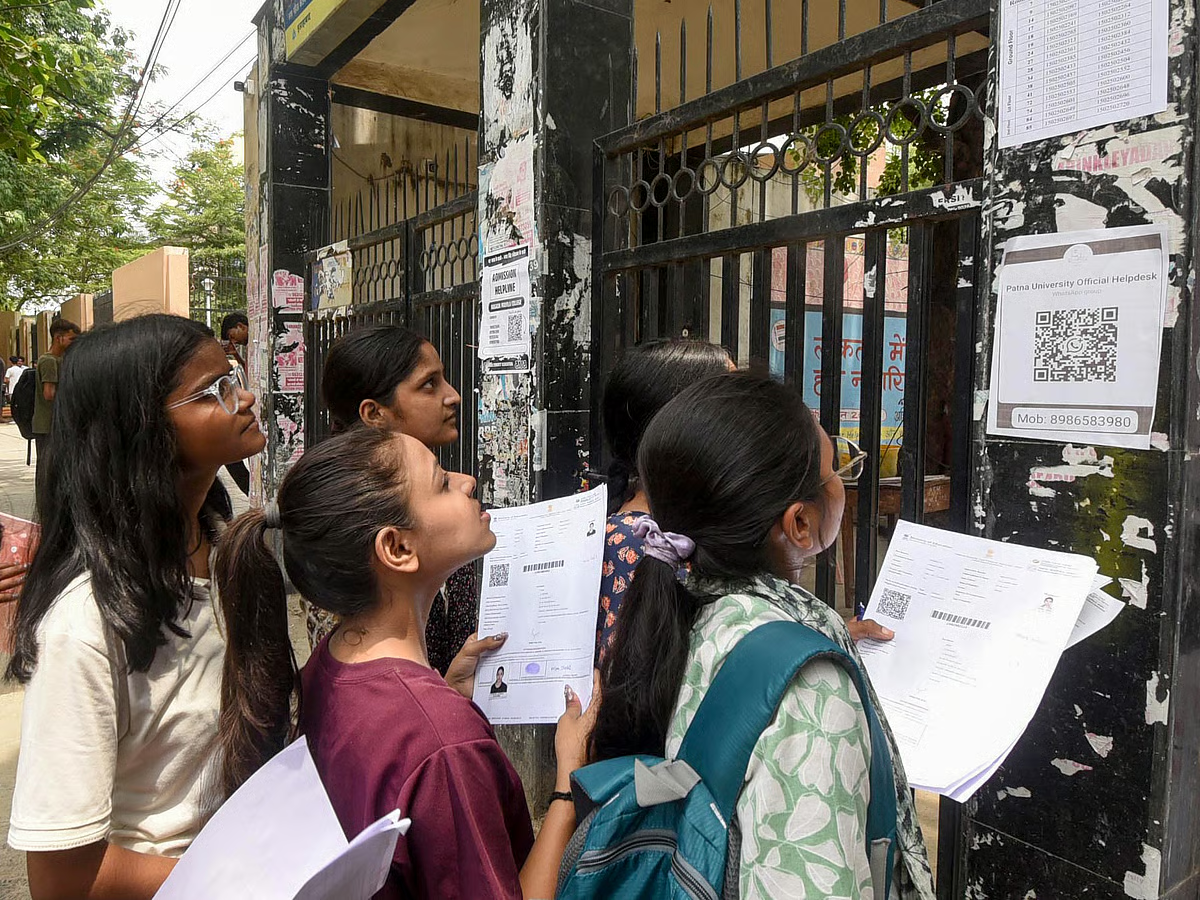
The NEET-UG 2026 examination results have garnered significant attention, revealing an impressive qualification rate among candidates. A total of 11.21 lakh candidates appeared for the examination, showcasing a growing interest in pursuing medical education among students in India. This year, a notable percentage of candidates successfully qualified, marking a substantial achievement in the realm of medical entrance examinations.
When analyzing the data, it is evident that a strong trend is evident in the performance of female candidates, who have outshined their male counterparts. This shift not only highlights the changing dynamics in education but also signifies the increasing participation of women in the medical field. The percentage of women qualifying for the NEET-UG 2026 has seen a noteworthy increase compared to previous years, reflecting a positive development in gender representation within the medical profession.
The re-test conducted this year played a crucial role in shaping the results, enabling candidates who may have faced difficulties during the initial examination an additional opportunity to demonstrate their abilities. This initiative has been well-received, as it acknowledges the diverse challenges encountered by aspirants. The overall performance this year stands in contrast to prior years, indicating a progressive improvement in candidate preparedness and examination strategies.
In comparison to previous NEET-UG results, the 2026 outcomes reflect not only a higher qualification rate but also an advancement in educational initiatives aimed at equipping students with the necessary skills and knowledge. As educational institutions continue to enhance their preparatory programs, the expectations for future examinations remain optimistic.
Breakdown of Candidates: Gender Dynamics
The NEET-UG 2026 results have highlighted significant gender dynamics among the candidates. A total of 11.21 lakh candidates took part in the re-test, with a balanced representation of males and females. Among the total candidates, approximately 5.5 lakh were female and 5.7 lakh were male, signifying a nearly equal gender distribution. However, the qualification rates painted a more revealing picture of the performance across genders.
In this re-test, around 60% of female candidates successfully qualified, showcasing an impressive performance compared to their male counterparts, where the qualification rate stood at approximately 52%. This marks a notable increase in successful female candidates compared to previous years, indicating a shift in the educational landscape. Factors contributing to this gender-based success include enhanced access to preparatory resources, increased motivation, and a growing support system among peers and family.
The shift in the success rates between genders is significant and can be attributed to several socio-cultural factors. Female candidates are increasingly partaking in preparatory coaching, often excelling in subjects that comprise the NEET test such as biology, chemistry, and physics. Moreover, societal changes have encouraged more families to support their daughters’ educational ambitions, leading to greater enrollment in preparatory courses and focus on STEM fields.
Moreover, female candidates have been found to exhibit strong performance in examination strategies, time management, and stress management techniques. These skills appear to have become crucial in achieving high scores in competitive environments. The increase in female qualification rates denotes not only individual achievement but also reflects broader societal transformations, demonstrating that women are increasingly equipped to excel in fields traditionally dominated by men.
Analysis of Performance: Regional and Demographic Insights
The recently released NEET-UG 2026 results reveal significant variations in the performance of candidates across different regions and demographic backgrounds. With a total of 11.21 lakh candidates qualifying in the re-test, a closer examination of the data is essential to understand the factors influencing these results. Statistical analyses indicate that candidates from urban areas outperformed their rural counterparts significantly. For instance, candidates from metropolitan regions scored an average of 15-20% higher than those from rural locations, signaling potential disparities in educational resources and access to quality coaching.
Regionally, states such as Maharashtra, Tamil Nadu, and Delhi reported higher qualifying percentages, with over 30% of their candidates achieving scores above the national average. In contrast, states like Bihar and Uttar Pradesh showed a lower qualifying ratio, which may be attributed to a variety of factors including the availability of preparatory support, socio-economic challenges, and varying levels of educational infrastructure. The differing success rates provoke questions on whether interventions are necessary to support underperforming regions.
Diving deeper into demographic factors, gender analysis reveals that women have outperformed men in this edition of the exam, raising fascinating discussions about educational trends and gender empowerment in India. This year’s data indicates that female candidates achieved a higher percentage of qualifying scores, which aligns with a steady increase in female enrollment in scientific fields and medical courses over the past couple of years.
Experts suggest that these performance disparities highlight the need for targeted policies aimed at supporting under-represented groups, which may involve enhancing access to quality education, establishing regional coaching centers, and providing financial assistance to disadvantaged groups. By understanding the complexities inherent in these results, stakeholders can develop more effective strategies to ensure equitable access to education for all, fostering a more balanced and competitive environment for future NEET candidates.
Implications for Future Medical Admissions
The recent results of the NEET-UG 2026 examination have significant implications for the future landscape of medical admissions in India. With 11.21 lakh candidates qualifying, this year’s data illuminates notable trends, particularly the rising participation and success of female candidates. The increasing representation of women in medical education could lead to a shift in dynamics within the field, promoting a more diverse and holistic approach to healthcare.
As more women enter the medical profession, medical institutions may respond with policies that foster inclusive learning environments, thereby encouraging gender equity in various specialties. This could result in a stronger emphasis on topics traditionally underrepresented, thus broadening the scope of medical education. Additionally, with diverse perspectives shaping the future of medicine, educational programs may adapt to address a wider array of healthcare issues pertinent to both genders and marginalized communities.
Furthermore, the NEET-UG outcomes may prompt policymakers to reevaluate existing admission criteria that solely prioritize exam scores. There may be an increased focus on holistic evaluation processes, including assessing candidates’ extracurricular activities, community service, and soft skills. Such changes aim to cultivate compassionate healthcare professionals who are well-equipped to address real-world challenges beyond mere academic performance.
The success rates also raise questions about the future of entrance examinations in India. With the growing number of successful candidates, authorities may explore alternative assessment methods or additional tests to better evaluate candidates’ suitability for medical training. Adopting a multi-faceted approach to admissions may enhance the quality of incoming candidates, ensuring that medical professionals are not only academically proficient but also empathetic and socially aware.
In summary, the implications of the NEET-UG 2026 results point towards a transforming medical landscape, with an emphasis on inclusivity and holistic evaluation likely shaping policies and practices in medical admissions moving forward.