



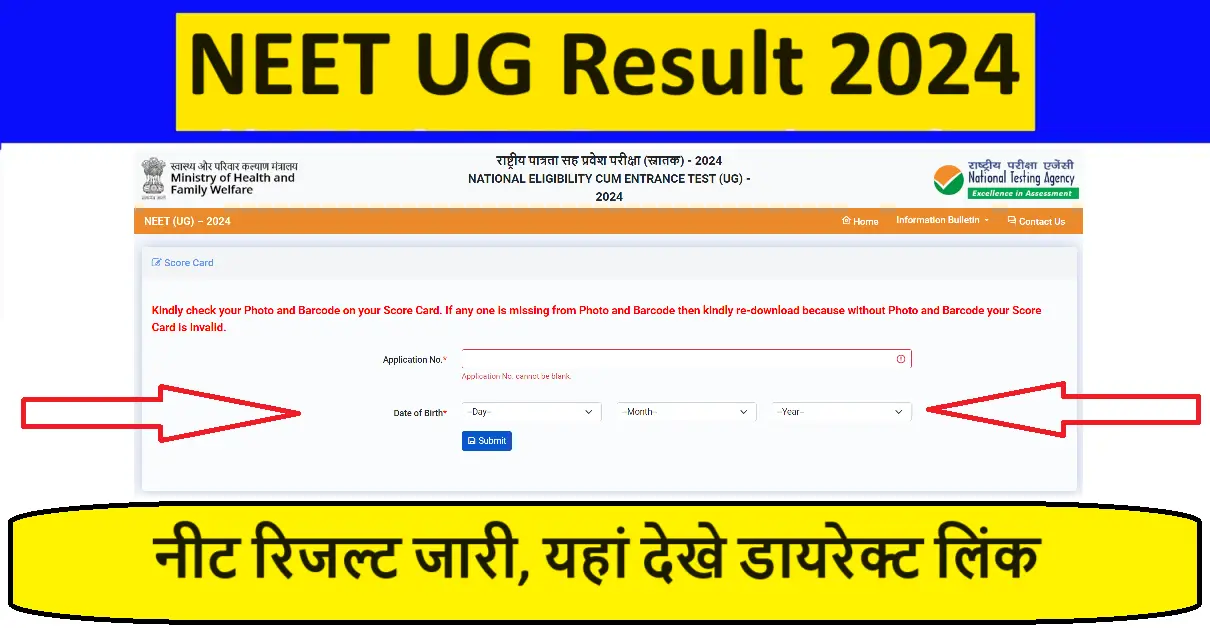



Post-NEET : The National Eligibility cum Entrance Test (NEET) stands as a pivotal examination within the Indian education system, primarily designed to assess aspiring medical students’ capabilities. As an essential criterion for admission into medical colleges, NEET serves as a gateway for thousands of candidates each year. Nonetheless, alongside its critical role in shaping future healthcare professionals, NEET also presents a formidable array of challenges that students must navigate during their academic journey.
One of the primary challenges associated with NEET and board examinations is the overwhelming stress that students experience. The traditional examination format, characterized by high-stakes, time-constrained assessments, often exacerbates anxiety among candidates. This stress is not only detrimental to their mental health but also significantly impacts their ability to perform optimally on the exam day. Many students find themselves grappling with crippling pressure, leading to subpar performances that do not truly reflect their academic competencies.
Additionally, current assessment methods tend to rely heavily on rote memorization and standardized testing, which can limit opportunities for demonstrating critical thinking and application of knowledge. This rigidity within the examination system can hinder a student’s learning process and diminish their enthusiasm for academic pursuits. Furthermore, the approach often fails to accommodate diverse learning styles and individual strengths, which can result in a less equitable evaluation process for candidates.
Given these ongoing challenges, the relevance of introducing digital reforms in the examination process becomes increasingly evident. By leveraging technology, it is possible to create a more student-friendly environment that allows for adaptive assessments, reduced stress levels, and enhanced accessibility. Such innovations could facilitate a holistic evaluation that aligns more closely with contemporary educational methodologies, ultimately improving not only student experiences but also outcomes in examinations like NEET.
Post-NEET : The Need for Digital Reforms in Board Exams
The realm of education is undergoing a significant transformation, driven by advancements in technology. In response to evolving learning methodologies and the increasing demand for equity in assessments, the necessity for digital reforms in board exams has never been more pressing. These reforms can offer numerous advantages, significantly improving the overall examination experience for students.
One of the primary benefits of implementing digital platforms in board exams is the capacity to ensure fairer assessments. Traditional paper-based exams often disadvantage certain student populations due to logistical challenges, such as inadequate venue facilities or geographical barriers. A digital assessment model can offer remote access, enabling students from varied backgrounds and locations to participate equally. Furthermore, technology can facilitate randomized question generation, thus minimizing the potential for academic dishonesty and enhancing the integrity of the examination process.
Digital reforms also serve to improve accessibility for differently-abled students. Assistive technologies can be integrated into online assessment platforms, offering tailored support that accommodates a range of learning needs. For instance, screen readers for visually impaired candidates or customizable interface options can create a more inclusive environment during examinations.
Moreover, technology caters to the diverse learning styles of students. By incorporating multimedia elements into assessments, such as videos, interactive simulations, and graphical representations, issues related to rote memorization might be alleviated, allowing students to engage with the material in ways that resonate with their individual learning preferences.
Despite challenges posed by the transition to digital platforms, numerous successful initiatives have emerged in various educational contexts. For example, some universities have implemented online assessments that utilize artificial intelligence to evaluate student performance in real time. These innovations provide a framework from which board exams can draw inspiration, ultimately fostering a more student-friendly examination environment.
Proposed Digital Initiatives for Board Exams
The integration of digital initiatives into board examinations has the potential to significantly enhance the student experience during assessment periods. One promising approach is the transition to online assessment formats. By leveraging technology, examinations can be administered through secure online platforms, allowing students to take tests from settings that are more comfortable and familiar to them. This shift not only improves accessibility but also facilitates real-time result processing, reducing the waiting time that often induces anxiety among students.
Another innovative solution involves the utilization of artificial intelligence (AI) to personalize test preparation for each student. AI-driven platforms can analyze individual learning habits and performance history, subsequently tailoring study materials and practice tests to address specific weaknesses. This personalized approach empowers students to focus on areas that require improvement while enhancing their overall confidence and competence in the subject matter.
In addition to these initiatives, the provision of digital resources both prior to and following exams is essential. E-learning tools, such as interactive video lectures, online forums, and comprehensive study guides, can be made available to students to enrich their understanding of the curriculum. These resources can serve as valuable tools for revision as students prepare for their exams or for supplementary learning after assessments are concluded.
Furthermore, implementing online mock tests can be instrumental in helping students acclimate to the exam format and reduce performance anxiety. These simulations allow students to practice under timed conditions, thereby familiarizing themselves with the pressure of real exam situations. To maximize the effectiveness of these digital reforms, it is crucial to invest in training for educators. Teachers should be equipped with the skills necessary to employ these technologies effectively in their teaching methods, ensuring that they can support students in navigating the evolution of board exam formats.
Conclusion and Future Outlook : Post-NEET
In examining the current landscape of board examinations post-NEET, it is evident that the integration of digital reforms plays a crucial role in reshaping the examination experience for students. The push towards a more student-friendly approach highlights the importance of technology in streamlining processes, improving accessibility, and enhancing the overall examination environment. By leveraging digital platforms, universities and examining bodies can facilitate a transition that not only simplifies logistics but also reduces stress levels among candidates.
The discussion throughout this blog has underscored relevant aspects such as the use of online assessment tools, thorough data analytics for performance tracking, and the necessity for adaptive learning strategies. Such reforms promise to benefit students by allowing for personalized and flexible learning experiences, which ultimately cater to diverse learning needs. Furthermore, these initiatives contribute to equal opportunities for students across different socio-economic backgrounds by making the examination process more inclusive.
Looking ahead, the potential long-term benefits of these digital reforms extend beyond immediate improvements in the board examination process. An education system that embraces technology can foster a culture of continuous learning, encouraging students to acquire skills essential for thriving in an increasingly digital world. Hence, it is crucial that all stakeholders in the education sector—including policymakers, educational institutions, and technology providers—prioritize and invest in such digital initiatives.
Through collaborative efforts, the goal of a more equitable, efficient, and student-focused examination process is within reach, leading to a transformation that benefits not just students but the education system as a whole. Only by recognizing the critical need for these changes can we ensure that the future of education remains bright and promising for all learners.