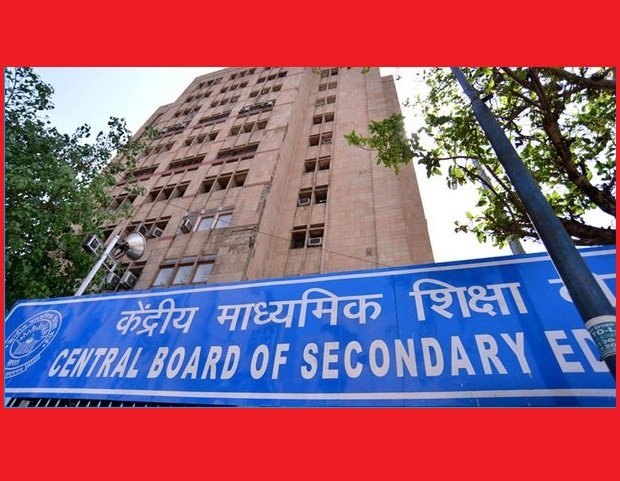






New Guidelines The Online System for Management (OSM) process introduced by the Central Board of Secondary Education (CBSE) aims to streamline the administrative procedures related to the verification and re-evaluation of Class 12 exam results. The primary objective of this initiative is to enhance transparency and efficiency in managing student examination records. Implementing the OSM process is significant not only for students but also for educational institutions and the academic community at large.
This digital initiative is designed to reduce the complexities associated with traditional verification processes. By shifting to an online platform, CBSE intends to facilitate easier access for students to request re-evaluations or verification of their examination marks. This online approach minimizes paperwork and speeds up the response time for students, ultimately leading to a more organized system for handling queries and grievances related to exam results.
Furthermore, the OSM process underscores the importance of digital transformation in the education sector. With the e-governance framework taking precedence, initiatives like the OSM represent significant progress toward creating a robust administrative foundation that can accommodate the evolving needs of students and educators alike. The rationale behind adopting this online system includes its potential to improve accuracy in data handling and ensure the integrity of exam results.
Moreover, the OSM process allows CBSE to maintain accurate records, facilitating efficient data retrieval and helping to uphold academic standards. By providing a structured platform for processing verification requests, the OSM system not only enhances accountability but also assists in building trust among stakeholders in the educational domain. As education continues to advance in a digitized era, the OSM process stands as a pivotal step toward fostering a modern and efficient examination management system.
Fresh Guidelines for Class 12 Verification and Re-evaluation
New Guidelines The Central Board of Secondary Education (CBSE) has introduced updated guidelines for the verification and re-evaluation of Class 12 examination results, aiming to foster a more transparent and equitable evaluation process. These new protocols replace previous frameworks, ensuring that students have a clearer understanding of their rights and the procedures involved in challenging their results.
One of the notable changes includes the establishment of strict timelines for submitting verification and re-evaluation applications. Students must adhere to these deadlines to ensure their requests are processed timely. The CBSE has specified that the applications for verification of marks must be submitted within a defined period following the declaration of results, adding efficiency and predictability to the process.
Furthermore, the fee structure associated with verification and re-evaluation has also been revised. The CBSE has aimed to make the process more accessible for all students while ensuring that the fees reflect the administrative costs incurred during the review. Each verification or re-evaluation request now requires a specific amount to be paid, and students are encouraged to be aware of these costs before proceeding.
Additionally, the guidelines provide a detailed procedure for students to follow when submitting their applications. This includes information on how to fill out the necessary forms, the requisite documentation, and the modes of payment available. The clarity in these procedures is intended to eliminate confusion and facilitate a more straightforward application process.
Overall, these changes to the verification and re-evaluation framework signify CBSE’s commitment to enhancing the integrity of the examination system, ensuring that students feel empowered and supported in obtaining fair evaluations of their academic performance.
Implications for Students and Schools
New Guidelines The recent introduction of the verification and re-evaluation guidelines by the Central Board of Secondary Education (CBSE) marks a significant shift in the academic landscape for students and schools. These guidelines not only offer an avenue for students to contest their results but also reflect an evolving understanding of assessment accuracy in educational institutions. For students, this development represents numerous opportunities, especially for those who believe their marks do not adequately capture their academic performance or effort. The new framework enables students to seek re-evaluation of their results, thereby allowing them to validate their hard work and possibly attain scores reflective of their true capabilities.
Schools play a critical role in facilitating this process. Educators are expected to guide students through the verification system, ensuring that they understand their rights and the steps necessary to initiate a re-evaluation. This support is vital, as many students may feel overwhelmed or confused about how to navigate these new protocols effectively. Furthermore, schools are encouraged to establish clear communication channels, potentially incorporating workshops or informational sessions that address common queries surrounding the re-evaluation process. By doing so, they help empower students to take proactive steps towards their academic success.
However, there are inherent challenges associated with these changes that schools must be prepared for. The influx of re-evaluation requests may strain administrative resources, necessitating the establishment of robust procedures to handle such demands efficiently. Additionally, schools must balance addressing the students’ concerns with maintaining the integrity and objectivity of the assessment process. As educational institutions acclimate to these new guidelines, they must simultaneously cultivate an environment where students feel supported in their pursuit of an accurate representation of their academic achievements.
Future Outlook and Conclusion
New Guidelines The recent backing of the OSM (On-Screen Marking) process by the Central Board of Secondary Education (CBSE) marks a significant advancement in how examination assessments are conducted in India. With the introduction of new guidelines for Class 12 verification and re-evaluation, there is a strong implication for enhancement in transparency and efficiency in the examination system. The OSM process stands to streamline the grading protocols, facilitating quicker feedback and results, which are essential for students’ future educational choices and career paths.
Looking ahead, the implications of these changes extend beyond just administrative efficiency. They signify a broader commitment by CBSE to modernize its examination practices, integrating technology into the academic environment. As the education landscape evolves, the emphasis on such innovative assessment methods is likely to resonate across various educational boards in the country. The OSM initiative could potentially serve as a model for other boards, reinforcing a national standard of assessment that prioritizes fairness and accuracy.
Moreover, as educators and policymakers continue to reevaluate testing methodologies, the incorporation of student feedback systems within the OSM process may also aid in refining the framework further. This could foster a culture of continuous improvement, encouraging stakeholders to remain adaptable to the evolving educational needs of students. With these innovations, there is an anticipation of a ripple effect that could lead to more significant educational reforms across India.
In conclusion, while the OSM process and the accompanying guidelines signify a promising direction for CBSE, it is essential for stakeholders to remain informed about ongoing developments. As educational practices continue to transform, staying updated will provide students, parents, and educators with the necessary tools and insights to navigate this dynamic environment effectively.