
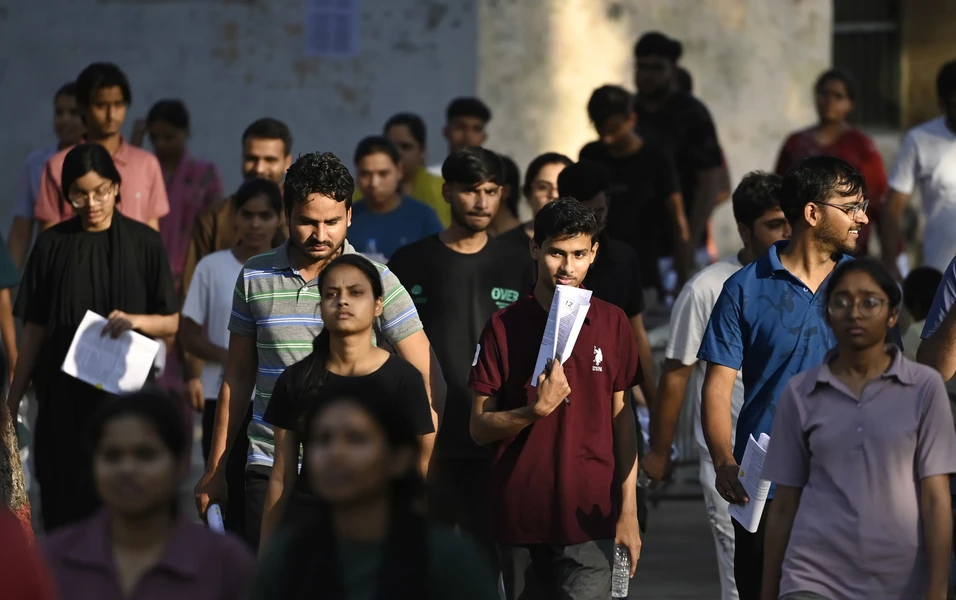
NEET-UG The National Eligibility cum Entrance Test for Undergraduate (NEET-UG) is a pivotal examination for aspiring medical students in India. Introduced in 2013, it serves as a standardized admission test for various undergraduate medical courses across the country. This examination aims to assess the knowledge and aptitude of candidates in subjects critical for medical education, such as Physics, Chemistry, and Biology. NEET-UG plays a crucial role in streamlining the admission process, ensuring that students are evaluated uniformly, thereby minimizing discrepancies in entrance criteria among various institutions.
The National Testing Agency (NTA), established in 2017, is entrusted with the responsibility of conducting NEET-UG and other entrance examinations in India. Created by the Ministry of Human Resource Development, the NTA’s primary aim is to enhance the efficiency, transparency, and rigor of the examination process. This shift in the management of examination protocols was deemed necessary to alleviate the burden on existing systems and to provide a dedicated agency for assessing candidates in a more structured manner. The NTA utilizes advanced technologies to facilitate the examination process, including online assessments and secure question paper generation, intending to uphold the integrity of the examinations.
However, the NTA has faced scrutiny and controversies in the past regarding its handling of various competitive assessments. Issues such as discrepancies in question papers, logistical challenges, and allegations of malpractice have marred its reputation. These controversies underscore the need for accountability, driving current demands for the examination body’s dissolution in light of recent events surrounding NEET-UG, particularly the recent paper leak allegations. As public trust in the examination process is paramount, the NTA’s role remains in focus amid calls for reform in its operations.
Details of the Alleged Paper Leak Incident
The NEET-UG examination, a crucial stepping stone for aspiring medical students in India, has recently been embroiled in serious allegations of a paper leak. The controversy became public when, shortly after the examination dates were announced, claims surfaced suggesting that the question paper had been compromised prior to the exam. These allegations have been widely discussed and have raised significant concerns regarding the integrity of the National Testing Agency (NTA), the organization responsible for conducting the NEET-UG.
The timeline of events leading to the alleged paper leak began a few weeks prior to the examination date when students reported encountering questions during their preparatory practices that mirrored those in previous years’ papers. This prompted speculation and scrutiny over the examination process. Following these initial claims, whistleblowers and anonymous sources came forward, alleging that some individuals had access to the NEET-UG question paper before the official examination. This prompted immediate investigations by both educational authorities and law enforcement agencies to address the claims systematically.
Among the parties involved are not only the NTA but also various state education boards and private coaching institutes, which have been implicated in the dissemination of leaked materials. The repercussions of these allegations are profound, not only affecting the examination’s credibility but also the future of countless students who invested significant effort in preparing for NEET-UG. The public outcry has been strong, with many students voicing their fears about the fairness of the exam and the potential impact on their academic careers.
Furthermore, education authorities are urged to take decisive action to ensure transparency and to restore confidence in the examination process. The gravity of the situation has led the Indian Medical Association and other stakeholders to call for an investigation and a review of the practices followed by the NTA. As this situation develops, it remains critical to monitor the response from educational institutions and the government to assure that justice and integrity prevail in the NEET-UG examination system.
Response from the Medical Community and Legal Actions
The recent NEET-UG paper leak incident has provoked a strong response from various medical organizations and professionals in India. Prominent among these is the organization representing medical doctors, which has voiced significant discontent regarding the current oversight by the National Testing Agency (NTA). This body has formally called for the dissolution of the NTA, arguing that its repeated failings undermine the integrity of medical examinations in the country.
The rationale behind this demand stems from the belief that the NTA, tasked with conducting various entrance examinations, has not ensured the security and authenticity necessary for such high-stakes assessments. The mounting concern is that continued mishaps could compromise the quality of medical education and, ultimately, patient care in India. As part of their advocacy for accountability, the doctors’ body has taken further legal steps by filing a plea in the Supreme Court. Their request aims not only to dissolve the NTA but also to initiate an investigation into the extent of the malpractices associated with the recent exam.
This formal plea reflects a broader conversation within the medical community about the critical need for maintaining integrity in education. Medical professionals argue that exam processes must be transparent and devoid of corruption to secure the trust of aspiring doctors and the general public. They have emphasized that fair examination practices are essential to uphold the standards of medical training and to ensure that qualified candidates are entering the healthcare system. This situation continues to unfold, prompting ongoing discussions and potential reforms that could redefine how medical admissions are conducted in India.
Implications for Future Examinations and Education Policy
The recent NEET-UG paper leak has raised significant concerns regarding the integrity of standardized testing in India and has potential ramifications for future examinations and education policy. Firstly, the oversight of testing agencies such as the National Testing Agency (NTA) is under scrutiny. This incident highlights the necessity of implementing stricter regulations and accountability measures to ensure that examination processes are secure and reliable. If trust in the NTA continues to erode, it may lead to calls for reform in the way these agencies operate.
Moreover, the situation necessitates a reevaluation of current examination protocols. Stakeholders may advocate for enhanced transparency in the conduct of examinations, including improved accessibility of information related to testing processes and immediate investigations into claims of malpractice. The introduction of technology, such as biometric verification and online screening, could also be pivotal in securing examination integrity.
Public trust is crucial for effective educational frameworks. The revelation of a paper leak not only undermines the credibility of the NEET-UG examination but also impacts broader perceptions of medical education in India. As future candidates prepare for this competitive examination, the fallout from this incident may influence their confidence in the system. Should the integrity of the examination process remain questioned, many may reconsider their pursuit of medical education, thereby affecting enrollment and overall interest in the field.
In conclusion, the implications of the NEET-UG paper leak are profound, warranting immediate attention from policymakers, educational institutions, and testing agencies. The potential for legislative changes focused on accountability and stringent oversight may reshape the future landscape of medical examinations in India, reaffirming the importance of maintaining trust in the education system.