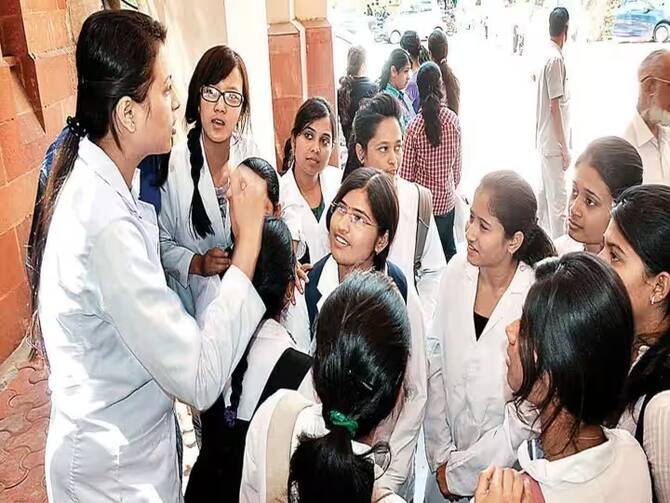
NEET-SS The National Eligibility Entrance Test for Super Specialty (NEET-SS) is a pivotal examination in India designed for medical graduates seeking admission to super specialty courses. Conducted by the National Board of Examinations (NBE), this test plays an essential role in determining eligibility for various advanced medical programs. Primarily, NEET-SS assesses candidates’ proficiency in their respective medical fields and facilitates a standardized admission process across the nation.
Cut-off percentiles are integral to the NEET-SS framework as they establish the minimum score necessary for candidates to qualify for counseling and admissions. These cut-off scores are calculated based on the performance of all examinees, taking into account various factors such as the difficulty level of the exam and the total number of candidates appearing for it. Understanding cut-off percentiles is vital for aspiring medical professionals, as they directly impact the availability of seats for super specialty courses, as well as influence individual career prospects.
For candidates, the significance of cut-off scores goes beyond mere eligibility; they serve as benchmarks that can shape an individual’s educational trajectory. Achieving a score above the cut-off percentile not only secures a spot in the coveted counseling sessions but also opens doors to a variety of specialties that cater to different healthcare needs. It is important for candidates to stay informed about the changes in cut-off criteria, as these can vary each year, influenced by various parameters. This dynamic nature of cut-offs emphasizes the need for continuous preparation and awareness among candidates aiming to succeed in the NEET-SS examination.
Recent Changes in Qualifying Percentiles
Recent modifications to the qualifying percentiles for NEET-SS have sparked significant discussion within the academic and medical communities. The governing authorities have made a strategic decision to lower the qualifying percentiles, aiming to enhance the accessibility of postgraduate medical education for a broader spectrum of candidates. This adjustment is primarily intended to address the declining number of candidates qualifying for admission into various medical specialties, thereby potentially increasing competition among aspirants.
The decision to reduce the qualifying percentiles was influenced by several factors. One notable aspect is the need to ensure that a higher number of candidates can compete for available postgraduate seats. With increasing enrollment in medical colleges, the number of candidates appearing for the NEET-SS examination has risen proportionately. However, the stringent qualifying criteria have led to a concerning trend where many qualified candidates were unable to secure seats due to high competition levels. By lowering the cut-off marks, the intention is to balance the supply of candidates with the demand for available training positions.
This change in the qualifying percentiles is anticipated to have a profound impact on the number of candidates eligible for counseling. A larger pool of qualifying candidates could result in increased diversity in the specialties chosen by aspirants. Moreover, it may also lead to a more equitable distribution of seats across various disciplines, which have been underutilized in previous admission cycles. The reduction in qualifying percentiles could also alleviate some of the intense competition seen in specific branches that have historically attracted a majority of candidates. As the landscape of medical education evolves, these changes might foster a more inclusive and representative admission process, ultimately benefiting the healthcare system as a whole.
Implications for Candidates and Their Counseling Options
The recent changes in the NEET-SS qualifying percentiles have significant implications for aspiring candidates. Understanding these modifications is crucial as they directly influence admission strategies, preparation methods, and overall counseling procedures for NEET-SS participants.
Initially, candidates must reassess their goals in light of the new cut-offs. Higher qualifying percentiles might increase competition, prompting candidates to elevate their preparation standards. This calls for a strategic approach that focuses on not only meeting the new benchmarks but also excelling beyond them. Candidates may need to adopt more rigorous study schedules, engage in mock assessments, and seek additional resources to enhance their knowledge and skills. These strategies are essential for securing a desirable rank in the admissions process.
Moreover, the alterations in qualifying criteria impact the counseling options available to candidates. With the possibility of a reduced pool of admission spots due to elevated cut-off levels, candidates may find themselves needing to broaden their preferences regarding institutions and specializations. This adaptability can lead to important decisions about pursuing less competitive courses or exploring additional geographic locations for college placements, ultimately expanding opportunities for education and future careers.
Furthermore, it is critical for candidates to stay informed about the latest updates regarding the counseling process itself. The changes may necessitate adjustments in application timelines, documentation requirements, and eligibility assessments. Participating in workshops, webinars, and counseling sessions can empower candidates to navigate these changes efficiently.
In conclusion, the revisions to the NEET-SS cut-offs require candidates to rethink their approaches to preparation and admission. Adapting to these changes can significantly influence their success and future options within the landscape of medical education in India.
Future Prospects and Moving Forward
The recent changes in the NEET-SS cut-off rankings have significant implications for candidates aspiring to enter post-graduate medical education. Understanding these adjustments is crucial for applicants who wish to navigate the evolving landscape effectively. The lowered cut-off presents an opportunity for many, allowing a greater number of candidates to qualify for counseling and admissions. As this trend continues, it is essential to recognize how it may affect the competitiveness of various specialties and the strategies for future preparation.
Candidates must adapt their study strategies and personal development plans to align with the new cut-off. This includes focusing on building strong foundational knowledge, refining examination techniques, and staying informed about evolving trends in medical education. For instance, candidates should consider participating in workshops, honing their clinical skills, and engaging in peer discussions, which will not only enhance their understanding but also prepare them for prospective interview processes that may accompany the admissions experience.
Moreover, candidates are encouraged to leverage this change in cut-off to enhance their applications. It is prudent to aim for excellence across all areas of the medical domain, including research involvement, internships, and community service. These attributes are highly valued, setting candidates apart in what is likely to be an increasingly saturated applicant pool. Networking with professionals in the field and seeking mentorship can also provide invaluable insights and guidance as candidates transition into their desired specialty.
In conclusion, while the lowered NEET-SS cut-off may initially seem like a straightforward alteration in admission criteria, it carries with it deeper implications for the medical community. Applicants must remain proactive and strategic in their approach to education, utilizing the evolving landscape to their advantage. By focusing on comprehensive preparation, diversity in experience, and unyielding ambition, candidates can position themselves competitively within this new framework, ultimately leading to successful outcomes in their medical careers.