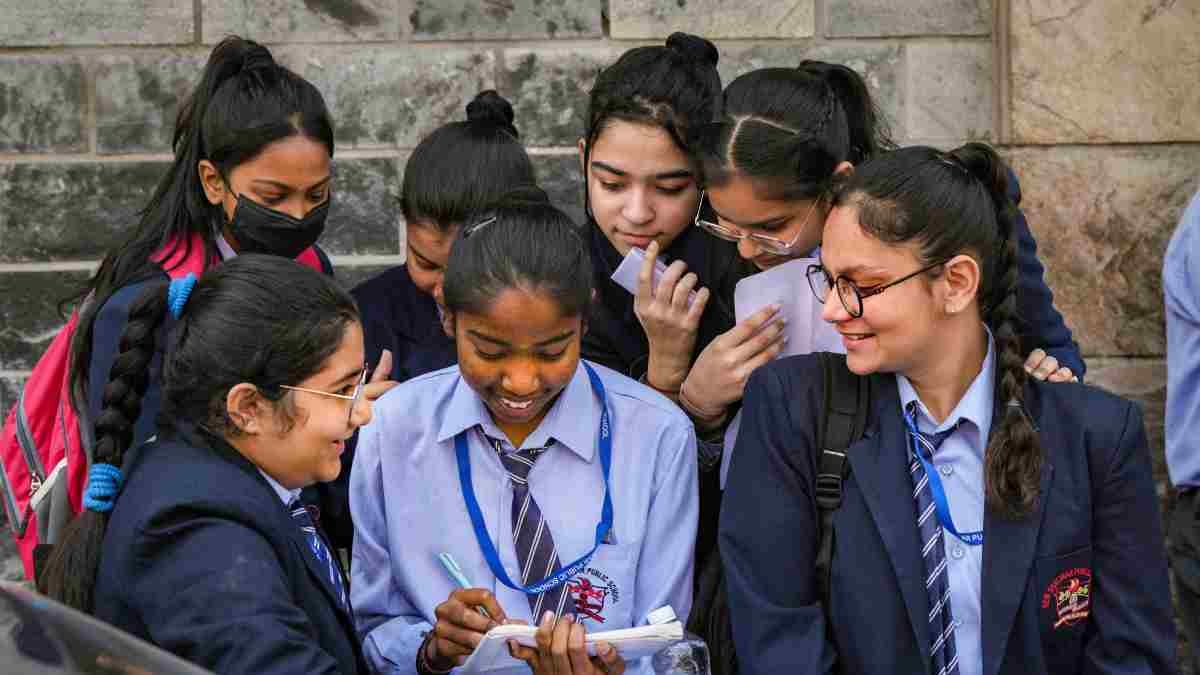




The Three-Language Policy, introduced by the Central Board of Secondary Education (CBSE), is pivotal in shaping India’s educational landscape. Established in the National Policy on Education in 1968, the policy was designed to foster multilingualism among students. Its implementation encourages proficiency in three languages, thereby promoting cultural understanding and national unity.
One of the core objectives of the Three-Language Policy is to provide a balanced approach to language learning. Generally, students are expected to learn one regional language, Hindi, and English. This framework not only nurtures linguistic skills but also enhances cognitive abilities, aiding in critical thinking and problem-solving. By engaging with multiple languages, students can develop better communication skills, which are essential in today’s globalized world.
The significance of promoting multilingual education, as outlined in the Three-Language Policy, cannot be overstated. Multilingualism is an invaluable asset in a diverse country like India, where many languages co-exist. The policy aims to respect and preserve regional languages while ensuring that students also acquire proficiency in national and international languages. This trilingual approach has the potential to create a sense of identity and belonging among students, enabling them to connect more deeply with their cultural roots.
The impact of the Three-Language Policy extends beyond linguistic skills. Research suggests that students who are educated in a multilingual environment often display enhanced cognitive flexibility and improved academic performance. This is due to their ability to switch effortlessly between languages, thus refining their overall mental capabilities. Therefore, the Three-Language Policy not only aims to enrich students’ language portfolio but also plays a crucial role in their overall intellectual growth.
Key Suggestions for Implementation
The effective implementation of the three-language policy within the Central Board of Secondary Education (CBSE) framework requires a strategic approach that addresses various challenges faced by schools. Educational experts and stakeholders have proposed several key suggestions aimed at facilitating this initiative.
Firstly, it is vital to allocate resources efficiently. Schools must ensure that they have adequate teaching materials for all three languages included in the curriculum. This includes textbooks, supplementary reading materials, and digital resources that can aid in learning. A well-stocked library featuring diverse books in each language will enhance students’ exposure and appreciation for linguistic diversity.
Moreover, teacher training plays a crucial role in the success of this policy. Educators need specialized training programs that equip them with the necessary skills to teach multiple languages effectively. Workshops and professional development sessions should focus on bilingual teaching methods and techniques that cater to students with varying proficiency levels in each language. Providing ongoing support will help educators feel confident in delivering the curriculum.
Furthermore, curriculum development must reflect the objectives of the three-language policy. Schools should adopt a flexible curriculum that allows for the integration of cultural elements and local context within language learning. Incorporating projects, dialogue, and interactive activities can enhance engagement and foster a more immersive learning experience.
Additionally, parental involvement is essential in promoting language learning at home. Schools can organize awareness programs to educate parents about the importance of multilingual education and provide resources that they can use to support their children’s language acquisition outside of school.
By addressing these aspects—resource allocation, teacher training, curriculum development, and parental involvement—schools can create a supportive environment for the successful implementation of the three-language policy in CBSE education, ultimately benefiting students and the wider community.
Challenges in Executing the Policy
The implementation of the three-language policy in the Central Board of Secondary Education (CBSE) system faces several notable challenges that can impede its success. One of the primary hurdles is the regional disparity in language usage across India. Different states and regions have varying linguistic preferences and policies, which complicates uniform execution. For instance, in some states, a dominant local language may not be offered as a second or third language in many schools. This creates an imbalance in students’ exposure to the necessary languages, consequently affecting their proficiency and overall educational outcomes.
Furthermore, the varying levels of language proficiency among students present another significant challenge. Students entering the CBSE system may come from diverse educational backgrounds, where exposure to multiple languages varies widely. Some students may be fluent in their regional language but struggle with Hindi or English, the languages often emphasized within the three-language framework. This discrepancy makes it difficult for teachers to deliver instruction effectively, as they must cater to a classroom with mixed language abilities. Additionally, schools may lack the necessary resources and training for teachers to effectively implement multilingual lessons.
Resistance from community groups and parental bodies can further complicate the enforcement of this policy. In several instances, parents and local communities have expressed concerns over the burden of learning multiple languages, perceiving it as a detriment to their children’s traditional education. For example, in areas where parents prioritize local language education, any attempt to enforce a three-language system may meet with severe opposition.
Several case studies highlight failed attempts at implementing the three-language policy, showcasing these challenges. These examples can serve as a foundation for understanding what adjustments might be necessary for future implementation efforts to be successful. In summary, recognizing these barriers is crucial to developing effective strategies for overcoming them and ensuring the successful establishment of the three-language policy in the CBSE educational framework.
Judicial Oversight and Future Directions
The implementation of the three-language policy within the Central Board of Secondary Education (CBSE) system has not only been an educational reform but also a matter of significant legal scrutiny. The Supreme Court of India plays a crucial role in ensuring that this policy is aligned with the country’s constitutional provisions and fundamental rights. Various legal disputes have emerged over the years, questioning the efficacy and fairness of the policy in promoting multilingual education while respecting regional languages and cultures.
In examining the Supreme Court’s involvement, it is apparent that the Court has upheld education as a fundamental right, often reiterating that policies should aim to enhance accessibility and understanding for all students. Several cases have reached the highest court, challenging aspects of the three-language policy, particularly concerning its implementation in specific states and the pressures it places on both students and educators.
The Court’s judgments have emphasized the need for a balanced approach that does not compromise the quality of education while promoting linguistic diversity. Recommendations made by the judiciary often suggest refining the curriculum to better include regional languages and ensure that no child is disadvantaged due to linguistic barriers. This implies a requirement for continuous evaluation and adaptation of the three-language policy to keep pace with the evolving educational landscape.
Looking forward, several directions for enhancing the policy can be proposed. First, establishing a framework for regular assessment of students’ proficiency in each language can help tailor instruction to meet diverse needs. Additionally, incorporating teacher training programs focused on multilingual education would empower educators to more effectively implement the policy.
Furthermore, engaging with local communities and stakeholders in policy formulation can provide valuable insights into the regional context, thereby fostering an environment where the three-language policy is embraced rather than resisted. By prioritizing collaboration and ongoing assessment, the Supreme Court can continue to support the refinement of this critical educational strategy for generations to come.