
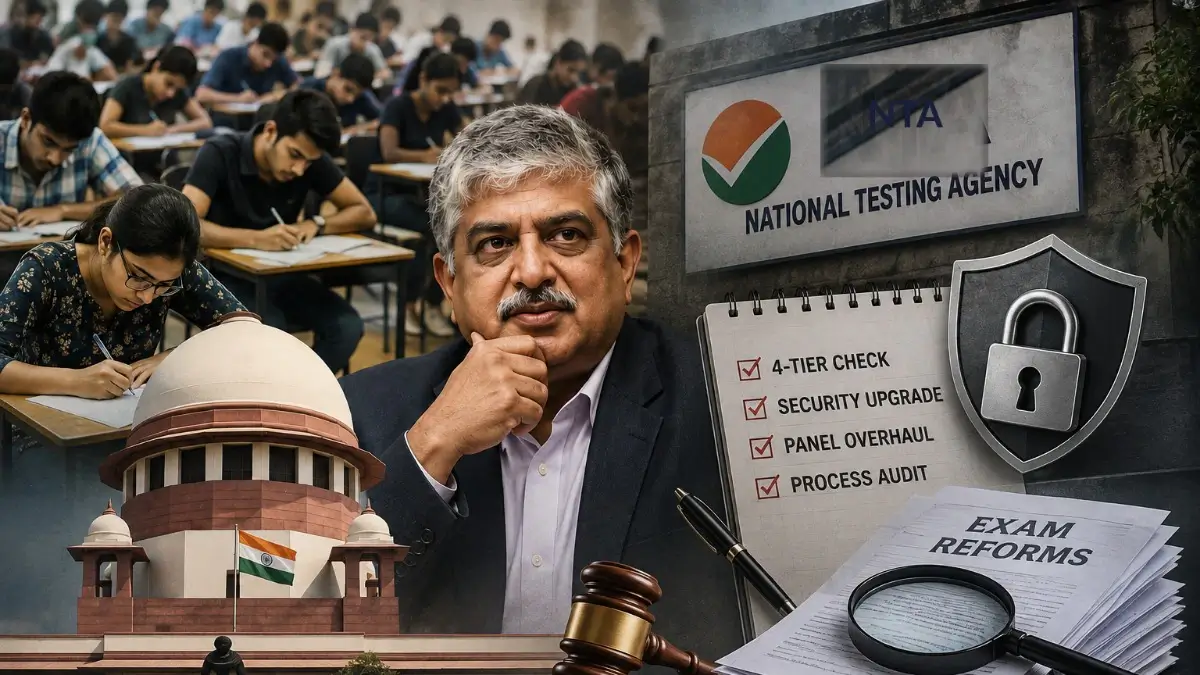
The National Eligibility cum Entrance Test (NEET) serves as a crucial assessment tool for aspiring medical and dental students in India. Established as a single entrance examination, NEET seeks to consolidate the admission process across various states and institutions, ensuring a unified standard for evaluating candidates. The significance of this examination cannot be understated, as it provides students from diverse backgrounds an equal opportunity to secure a place in medical colleges across the country.
Despite its intended purpose, the current structure of NEET has faced numerous challenges. Many stakeholders, including students, educators, and policymakers, have expressed concerns about the examination’s effectiveness and fairness. Issues such as limited access to quality preparatory resources, regional disparities in educational infrastructure, and mental health implications for students under immense pressure have been highlighted. Moreover, the rigid eligibility criteria and age limitations have been points of contention for many prospective candidates.
The necessity for reforms stems from these recurring challenges and the evolving educational landscape. Continuous feedback from various stakeholders indicates a demand for a more inclusive and adaptive assessment paradigm that reflects the dynamics of modern education. The forthcoming report from the Nielkani Panel aims to address these pressing issues by proposing strategic reforms that could enhance the NEET framework. Through this initiative, there is potential for improvements that not only streamline the examination process but also ensure that it remains equitable and accessible to all aspiring medical students.
As the panel’s recommendations are anticipated, it is essential to recognize the implications these reforms may have on the future of medical education in India. By fostering a fair and transparent admission process, NEET reforms could lead to a more robust healthcare system, ultimately benefiting society at large.
Key Objectives of the Nielkani Panel
The Nielkani panel, established to evaluate and propose reforms pertaining to the National Eligibility cum Entrance Test (NEET), has articulated a clear set of objectives aimed at transforming the landscape of medical education in India. One of the primary goals of the panel is to improve accessibility to medical education across the nation. This involves addressing geographical disparities and ensuring that students from diverse backgrounds, particularly those in rural and underprivileged regions, have equal opportunities to pursue medical education.
Another significant objective is to enhance fairness in the NEET examination process. The panel seeks to implement measures that minimize biases, ensuring that all candidates have a level playing field during assessments. This could include a reevaluation of testing methods, the introduction of standardized procedures, and the careful monitoring of evaluation criteria to uphold integrity within the testing framework.
Furthermore, the Nielkani panel aims to enhance the overall quality of medical education in India. This encompasses not only improving the curriculum by integrating contemporary medical practices and technologies but also by fostering an educational environment that encourages critical thinking and practical skills application. Through these reforms, it is anticipated that graduates will be better equipped to meet the demands of the healthcare sector.
In conjunction with these goals, the panel promotes collaborative efforts between academic institutions and healthcare providers to ensure that the medical training offered aligns with the evolving needs of the medical field. By focusing on these fundamental objectives, the Nielkani panel strives to create a more equitable, accessible, and high-quality medical education system in India, paving the way for future generations of healthcare professionals.
Anticipated Changes and Their Impact
The upcoming report from the Nielkani panel is set to introduce a series of recommendations aimed at reforming the National Eligibility cum Entrance Test (NEET). These changes are expected to have significant implications for students, educational institutions, and the broader landscape of medical education in India. One of the most critical areas under examination is the potential alteration of examination patterns, which could include modifications to the structure of the questions or the format of the assessment.
Additionally, the panel is likely to address the eligibility criteria for aspiring medical students. Currently, the eligibility framework is perceived by many as a barrier, particularly for students from diverse educational backgrounds. The recommendations may suggest more inclusive criteria, allowing a wider range of candidates to compete for medical seats. This shift could open new opportunities for students who previously faced difficulty in meeting the existing standards.
Furthermore, the introduction of new policies is anticipated, focusing on addressing ongoing issues such as accessibility and fairness in the examination process. The Nielkani panel’s approach is thought to prioritize the dismantling of barriers that hinder student participation, particularly in underserved regions. Such reforms, if implemented, could enhance the equity of access to medical education across various demographics.
The impact of these reforms on educational institutions is also an essential consideration. As changes in examination patterns and eligibility criteria unfold, institutions must adapt to these new regulations, which may alter admission processes and curriculum development. The long-term effects on student outcomes and the quality of medical education will be pivotal, potentially resulting in better-prepared healthcare professionals entering the workforce.
In conclusion, the anticipated changes stemming from the Nielkani panel’s recommendations hold significant promise for transforming the NEET framework. By addressing current limitations and expanding opportunities, these reforms could lead to a more efficient and inclusive medical education system in India.
Timeline and Future Steps
The Nielkani panel, tasked with reforming the National Eligibility cum Entrance Test (NEET), has a set timeline for the submission of its comprehensive report. This report is anticipated to lay the groundwork for significant changes in the medical entrance examination system in India. Initially, the panel was expected to deliver its findings within six months of its formation, marking a crucial step in addressing the various challenges associated with the NEET process.
Upon the report’s submission, the government will assess the recommendations thoroughly. The assessment phase is critical, as it will involve consulting various stakeholders, including educational institutions, regulatory bodies, and student organizations. This collaborative approach is intended to ensure that the reforms are well-rounded and cater to the diverse needs of all parties involved. Following these consultations, a detailed action plan for implementing the reforms will be devised.
Implementation of the reforms will include specific timelines for various stages. The government intends to roll out changes in phases, allowing for gradual adjustments rather than overwhelming students and institutions with sudden transformations. Additionally, training programs for educators and administrative staff will likely be instituted to help smooth the transition to the new processes outlined in the report.
Monitoring and evaluation will play a vital role in the ongoing success of NEET reforms. A framework will be established to track the effectiveness of the new measures, ensuring they meet their intended goals. Feedback mechanisms will also be integral to this process, allowing students, educators, and parents to voice their experiences with the reforms. This feedback will inform any necessary adjustments over time, fostering an adaptive system that evolves according to the needs of students and educational standards.