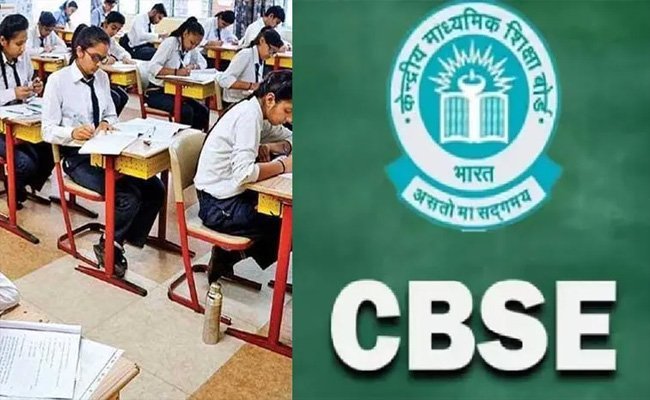






The three-language policy, introduced within the Indian education framework, aims to promote multilingualism among students. Specifically applicable to the Central Board of Secondary Education (CBSE), this policy mandates the study of three languages during the formative years of a student’s education. Typically, the first language is often the mother tongue or regional language, while the second may be Hindi or English, and the third language usually comprises either a foreign language or an additional regional language.
The rationale behind the three-language policy is grounded in the belief that exposure to multiple languages enhances cognitive abilities, cultural understanding, and communication skills. By encouraging students to learn languages that are not only locally significant but also globally relevant, the policy strives to forge a more interconnected society. It is designed to ensure that students not only achieve proficiency in their native language but also acquire the ability to communicate effectively in other languages, thereby broadening their horizons.
Furthermore, the intended benefits of this multilingual approach are manifold. Firstly, it assists students in developing a sense of identity linked to their linguistic heritage. Secondly, learning different languages fosters empathy and awareness of diverse cultures, which is increasingly crucial in today’s globalized world. Lastly, from an academic perspective, multilingualism is associated with improved performance in subjects beyond language studies, as students frequently demonstrate enhanced problem-solving abilities and creativity. It is clear that the three-language policy is more than a mere academic requirement; it is a strategic initiative to enrich students’ educational experiences and prepare them for the complexities of modern society.
Recent Developments and Reactions
Three-Language Policy Recently, the Central Board of Secondary Education (CBSE) announced a significant exemption from its established three-language policy for students in Class VI. This decision has stirred considerable debate among educators, parents, and educational policy advocates. The three-language formula, introduced to promote multilingualism and enhance cognitive skills through linguistic diversity, had come under scrutiny in recent years. The CBSE’s announcement now allows Class VI students to continue their education without the requirement of studying a third language, sparking various reactions from stakeholders.
The CBSE’s decision has been partly influenced by the challenging circumstances in which students have been learning, particularly due to the impacts of the COVID-19 pandemic. Educators have raised concerns about the readiness of students to handle multiple languages simultaneously, especially considering the disruptions in academic schedules and learning environments. By relieving Class VI students of the three-language requirement, the board aims to ease the academic burden on young learners during a crucial transitional phase in their education.
Responses from parents have varied significantly. Some have welcomed the move, arguing that it can facilitate a more manageable learning experience for their children. They emphasize the need for a structured framework that allows for a focus on core subjects without overwhelming students with additional language studies at an early age. Conversely, some parents and educators fear that lacking exposure to multiple languages might limit the students’ future opportunities and hinder their linguistic development.
As debates continue, educational authorities and related stakeholders are reflecting on the potential long-term implications of this exemption. Advocates of multilingual education argue that the decision might necessitate a re-evaluation of language teaching strategies within the curriculum. Ultimately, the CBSE’s decision on the three-language policy for Class VI students represents a significant shift that warrants close observation as its effects unfold in the coming years.
Impacts on Students and Education
Three-Language Policy The enforcement of the three-language policy within the CBSE curriculum significantly influences various dimensions of students’ educational experiences, particularly for those in Class VI. One of the prominent impacts is on language proficiency. As students are required to learn three languages, they may develop a more comprehensive understanding of linguistic structures and vocabularies. This can enhance their communication skills, allowing them to articulate thoughts more effectively across different languages.
Moreover, the emphasis on multilingual education has the potential to foster cultural integration. By exposing students to multiple languages and their associated cultures, the three-language policy encourages appreciation and respect for diverse backgrounds. This aspect is particularly vital in a multicultural society, as it nurtures social cohesion and reduces language barriers. Students who learn multiple languages are likely to develop a broader worldview, enhancing their empathy and cultural sensitivity.
However, the imposition of this policy also raises concerns regarding academic performance. Some students may find the workload overwhelming, leading to stress and reduced performance in their primary subjects. The pressure to excel in multiple languages could detract from time spent on critical understanding and mastery of core subjects, subsequently impacting overall academic success.
Further, the requirement for multilingual education can significantly affect student well-being. While some may thrive in a multilingual context, others might struggle, leading to feelings of inadequacy or anxiety. It is essential for educators and policymakers to monitor these stress levels, ensuring that support systems are in place for those who may find the transition to a three-language framework challenging.
Ultimately, the three-language policy’s dual nature presents both opportunities and challenges. Its effectiveness hinges on how well it is implemented and the support provided to students, ensuring that the policy enhances rather than hinders educational outcomes.
Future of Language Education in India
The ongoing debates surrounding the three-language policy in India have sparked a critical examination of the future trajectory of language education. As discussions continue to unfold, it is essential to consider various perspectives that inform potential changes needed to this policy. Advocates argue for a more flexible approach, allowing schools to adapt the language offerings based on regional and cultural contexts. This would not only enhance students’ linguistic abilities but also foster an appreciation for local languages and dialects.
Policymakers may also need to address the implementation challenges that schools face in enforcing the three-language formula. For many institutions, particularly in rural areas, resources such as qualified language teachers or suitable curriculum materials are limited. To bridge this gap, the government could invest in teacher training programs and develop more accessible educational resources that reflect the linguistic diversity of India.
Furthermore, the adaptation of the three-language policy could reflect a commitment to preserving India’s rich linguistic heritage. As the country becomes increasingly globalized, integrating a global language alongside regional languages could enhance students’ competitiveness in the job market. However, it is crucial to strike a balance between promoting globalization and safeguarding local linguistic identities.
In this context, the future of language education in India seems to hinge on a nuanced understanding of both local needs and global demands. Continued dialogue among educators, policymakers, and communities will be necessary to craft a language education framework that benefits all students and respects India’s diverse linguistic landscape. The evolution of this policy may serve as a litmus test for how India navigates linguistic diversity within its educational structures.