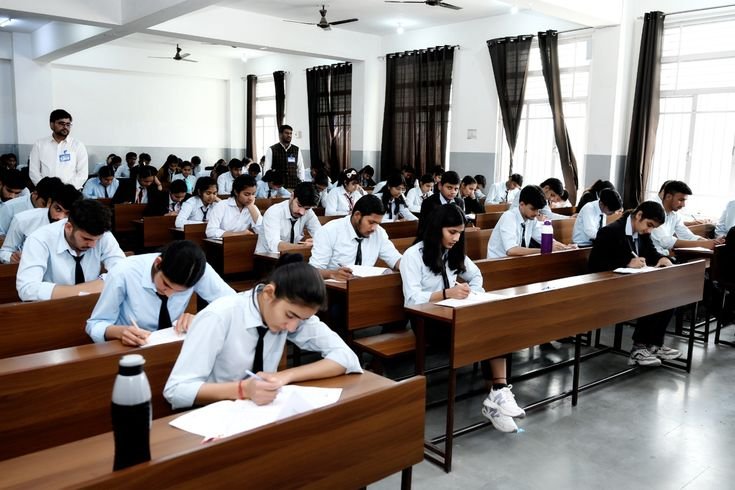




The National Eligibility cum Entrance Test (NEET-UG) is a pivotal examination for aspiring medical students in India. Designed to assess the knowledge, skill, and proficiency of candidates seeking admission to undergraduate medical programs, NEET-UG serves as a common entrance test across the nation. Its significance in determining candidates’ eligibility for esteemed medical institutions cannot be overstated, as it plays a crucial role in shaping the future of medical education in India.
However, the integrity of the NEET-UG exam has come under scrutiny due to recent allegations of tampering with OMR (Optical Mark Recognition) sheets used for evaluation purposes. These allegations have sparked a significant controversy, raising questions about the examination process and its transparency. The concerns primarily stem from claims that certain OMR sheets were manipulated to alter students’ scores, which could drastically affect their chances of securing a place in medical colleges.
The situation escalated with the filing of a Public Interest Litigation (PIL) in the Delhi High Court, which brought these allegations to the forefront of public discourse. The petitioners have expressed their apprehensions regarding the credibility of the NEET-UG examination process, thereby prompting judicial scrutiny. The court’s involvement signifies the gravity of the matter, as it explores the mechanisms in place safeguarding the integrity of the examination and addressing concerns of potential malpractices.
This controversy not only highlights the challenges faced by regulatory bodies in maintaining examination fairness but also underscores the high stakes involved for students. Medical aspirants invest considerable time and resources in preparing for NEET-UG, making any threat to the examination’s fairness a matter of profound concern. As the legal proceedings unfold, the implications for the future of medical admissions in India remain to be seen.
Reactions from the Delhi High Court
The proceedings surrounding the Public Interest Litigation (PIL) filed regarding the alleged tampering of OMR sheets in the National Eligibility cum Entrance Test (NEET-UG) were closely scrutinized in the Delhi High Court. The court was presented with conflicting claims from both the petitioners and the respondents. The petitioners argued that there had been serious discrepancies and manipulations in the evaluation process, which they believed could undermine the integrity of the examination system.
On the other hand, the respondents, which included the National Testing Agency (NTA) and other concerned authorities, strongly refuted these allegations. They submitted that the allegations were baseless and lacked sufficient evidence to warrant intervention by the court. The respondents emphasized that the examination was conducted under strict protocols, and the integrity of the NEET-UG process remained intact.
During the hearings, the court carefully considered the submissions from both sides. It examined documents related to the examination procedures and the subsequent evaluation of answer sheets. After a detailed examination of the arguments and supporting evidence, the Delhi High Court delivered a significant judgment dismissing the PIL.
The court’s decision was primarily based on the determination that the claims made by the petitioners did not meet the threshold required for judicial intervention. The judges reinforced the importance of maintaining the sanctity of the examination process and voiced the need for candidates to trust the system in place. This ruling has been critical in affirming the credibility of the NEET-UG examination, ensuring that students and stakeholders have confidence in the administration of the test.
Ultimately, the dismissal of the plea reflects the court’s stand on protecting institutional processes and discouraging frivolous claims that could disrupt educational fairness and accessibility. The ruling serves as a reminder of the high standards expected in judicial reviews concerning examinations.
Role of the Solicitor General Tushar Mehta
In the ongoing discourse surrounding the integrity of the NEET-UG examination, Solicitor General Tushar Mehta plays a pivotal role in addressing the allegations of OMR tampering. His involvement underscores the government’s commitment to maintaining transparency and fairness in the examination process. Mehta’s arguments against these claims are grounded in legal principles and an examination of the facts presented.
During recent court hearings, Mehta articulated a robust defense against the assertions that the OMR sheets used in the NEET-UG examination had been tampered with. He presented evidence indicating that the processes installed for the examination are rigorous and involve several measures to ensure accuracy and authenticity. The Solicitor General emphasized that the examination system is backed by a well-defined protocol, which aims to minimize the risk of any procedural irregularities.
Furthermore, Tushar Mehta highlighted the potential consequences of widespread allegations of tampering. He argued that such claims not only undermine the credibility of the examination process but also diminish the efforts of countless individuals who prepare tirelessly for it. By casting doubt on the examination’s integrity without substantial evidence, the claims could lead to unwarranted distress among the aspiring candidates and may discourage future applicants from pursuing their academic goals through this pathway.
Mehta’s stance is clear: the integrity of the NEET-UG examination must be preserved for the sake of the students involved and the educational institutions that rely on the results. He insists that the examination process is designed to be fair and just, dismissing the tampering allegations as unfounded. His voice represents the legal authority of the state and emphasizes the importance of upholding due process in educational assessments.
Implications for NEET-UG and Future of Exam Integrity
The recent court decision rejecting claims of OMR tampering in the NEET-UG examination has significant implications for the examination system and the perception of its integrity across India. By upholding the credibility of the NEET-UG exam process, the court has reinforced the importance of trust in standardized testing. This decision is likely to act as a precedent in future related cases, underscoring the judiciary’s commitment to maintaining the sanctity of educational assessments.
One of the primary effects of this ruling is the potential reduction in public skepticism regarding the transparency and fairness of the NEET-UG examination. When claims of tampering are dismissed, it enhances the overall credibility of the examination process, encouraging more students to participate without the fear of unfair practices. This enhancement in trust can ultimately facilitate a more competitive environment, where students can focus on their preparation rather than concerns about potential discrepancies. In turn, this may lead to a more qualified and capable applicant pool for medical colleges across India.
Moreover, the assertion of integrity in examination processes is crucial not only for individual students but also for the broader educational ecosystem. Should allegations of malpractice continue to arise, they can lead to a detrimental impact on the morale of students and educators alike. Such rumors could create an environment of doubt where the fairness of assessments is questioned, thereby diminishing the value of the qualifications awarded. Furthermore, it can engender a cycle of mistrust, where accusations may deter aspiring medical students from pursuing the NEET-UG altogether, ultimately affecting the healthcare profession in India.
In conclusion, the court’s decision plays a pivotal role in shaping the future landscape of exam integrity within the framework of NEET-UG. The reassertion of confidence in this examination underscores the necessity for fair and transparent processes in educational assessments, which is fundamental for fostering a robust academic environment conducive to developing future healthcare professionals.