



The University Grants Commission National Eligibility Test, commonly referred to as UGC-NET, serves as a pivotal examination for those aspiring to establish a career in academia within Indian universities. Conducted by the National Testing Agency, this exam assesses the eligibility of candidates for the role of lecturers and the award of the coveted Junior Research Fellowship (JRF). The JRF plays a significant role as it not only provides financial assistance to researchers but also fosters academic growth and development in the country.
UGC-NET is designed to ensure a standardized selection process, maintaining quality and consistency in higher education. The examination evaluates candidates in various subjects, encompassing a broad spectrum of disciplines. This inclusivity ensures that individuals from diverse academic backgrounds have the opportunity to compete for positions that underpin India’s educational framework. The examination’s purpose extends beyond merely granting eligibility; it sets a benchmark for pedagogical expertise and research capabilities essential for university-level teaching and scholarship.
Moreover, the integrity of the UGC-NET examination is of paramount importance to uphold its credibility. As such, a fair and transparent testing process is expected, allowing all candidates an equal opportunity to demonstrate their knowledge and skills. The rigorous standards established by the UGC-NET enhance the academic landscape and contribute to the overall improvement of higher education. In light of ongoing controversies surrounding examination policies and procedures, maintaining fairness in the UGC-NET is crucial for instilling confidence in aspiring candidates. Through comprehensive analysis and understanding of its structure, the importance of UGC-NET in shaping academic careers is clear, reaffirming its significance within India’s educational system.
Recent Errors and the Decision to Reconduct Exams
The UGC-NET exam, a crucial assessment for aspiring candidates in academia, has recently faced significant scrutiny due to a series of errors identified in its evaluations. These errors have sparked widespread criticism from students, educational bodies, and experts alike. Specifically, mistakes in certain questions have raised legitimate concerns about the integrity of the examination process. The implications of these errors extend beyond mere academic inconvenience, influencing the future careers of candidates who rely on this certification to establish themselves within the field of higher education.
In a detailed review of the examination papers, several discrepancies were noted, including incorrect answer keys and ambiguous phrasing in questions that led to confusion among candidates. The UGC’s response to this controversy has involved a critical evaluation of its examination procedures, resulting in the decision to reconduct three specific papers that were significantly affected by these errors. This decision was not taken lightly, as it required careful consideration of the potential impact on candidates and the overall credibility of the UGC-NET.
The rationale behind the reconducting of these exams is multifaceted. Firstly, it aims to uphold fairness and transparency in the examination process, ensuring that no candidate is unjustly penalized due to errors that were beyond their control. Secondly, this move is essential for maintaining the reputation of the UGC and the UGC-NET as a reliable and credible assessment tool. By addressing these critical issues head-on, the UGC demonstrates a commitment to quality and accountability in its examinations. As the process unfolds, it remains crucial for both the UGC and stakeholders to remain vigilant and proactive in addressing any further concerns that may arise, ensuring that candidates can trust the integrity of the assessment they participate in.
Impact of Cancellation of NEET Paper on Students
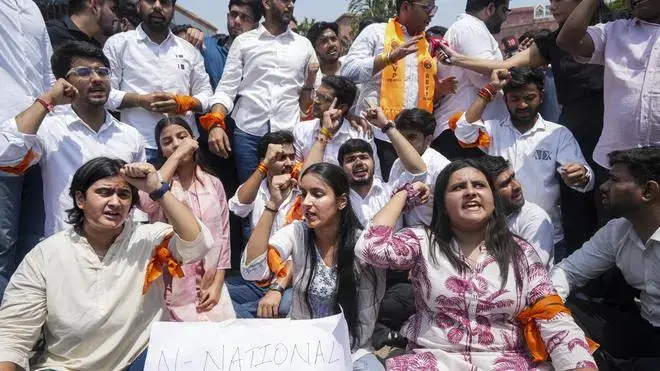
The abrupt cancellation of the second National Eligibility cum Entrance Test (NEET) paper has left a profound impact on students who were preparing for their medical aspirations. For many, this exam represents a crucial gateway to their future careers in medicine. When the announcement was made, students expressed a mixture of frustration and confusion, as they had dedicated considerable time and resources in preparation. The uncertainty surrounding the exam’s cancellation raised concerns about fair assessment and equal opportunity, particularly for those who had invested in coaching programs and study materials tailored to the test.
Educational experts have weighed in on the broader implications this cancellation may have on the medical education landscape. They underline that such disruptions not only affect individual students but also have potential ripple effects on the entire medical admission process. Many concerned parents echoed such sentiments, emphasizing that their children’s mental health might be adversely affected by this situation, leading to increased anxiety and stress levels. The pressure to secure a place in medical colleges, compounded by the unexpected cancellation, places an additional burden on these young aspirants.
Moreover, there are concerns regarding how this cancellation might impact career opportunities for these students. Each year, a significant number of aspirants compete for limited seats in prestigious medical institutions. Consequently, losing an examination window could mean a delayed entry into their desired fields, which may discourage bright young minds from pursuing medicine altogether. This situation raises questions about the adequacy of contingency plans in place for examinations, highlighting a need for systemic improvements that can safeguard against similar occurrences in the future.
In conclusion, the repercussions of the canceled NEET paper extend beyond immediate logistical challenges; they weave into the very fabric of students’ lives, affecting their mental health and future career trajectories. It is imperative that stakeholders within the education sector come together to address these issues, fostering an environment that supports students through such unforeseen disruptions.
Looking Ahead: Challenges and Solutions for UGC-NET and NEET
The UGC-NET and NEET examinations, crucial assessments in the Indian education system, face a myriad of challenges that threaten their integrity and the trust of candidates and stakeholders. One primary concern is the necessity for comprehensive reforms designed to address the underlying issues that have emerged over time. It is essential for the regulatory bodies to adopt a proactive approach, ensuring that the revised examination processes are transparent, equitable, and secure.
In recent years, incidents of malpractice, including leakage of question papers and other forms of fraud, have raised significant alarm. These occurrences not only undermine the credibility of the UGC-NET and NEET but also impact the futures of countless aspirants who view these examinations as gateways to academic and professional opportunities. Restoring belief in the integrity of these assessments is indispensable. To achieve this, enforcing stricter security measures during the examination process should be a priority. Incorporating advanced technology, such as biometric verification and real-time monitoring, could enhance the security of exam centres.
Furthermore, it is imperative to foster open dialogue with stakeholders, including students, educational institutions, and faculty. This would facilitate a better understanding of the concerns and expectations that various parties hold regarding the examinations. Establishing a feedback mechanism can empower candidates to voice their experiences and recommendations, allowing the authorities to adapt and improve continuously.
Additionally, developing a comprehensive plan to educate candidates about the examination process can demystify the journey, ensuring they are well-prepared and aware of the integrity protocols in place. By instilling confidence through education and transparency, the UGC-NET and NEET can not only mitigate current challenges but also set a precedent for other competitive examinations in India. Ultimately, the focus should remain on crafting a fair and reliable system that enhances the prospects of all candidates, thereby securing their future in the educational landscape.