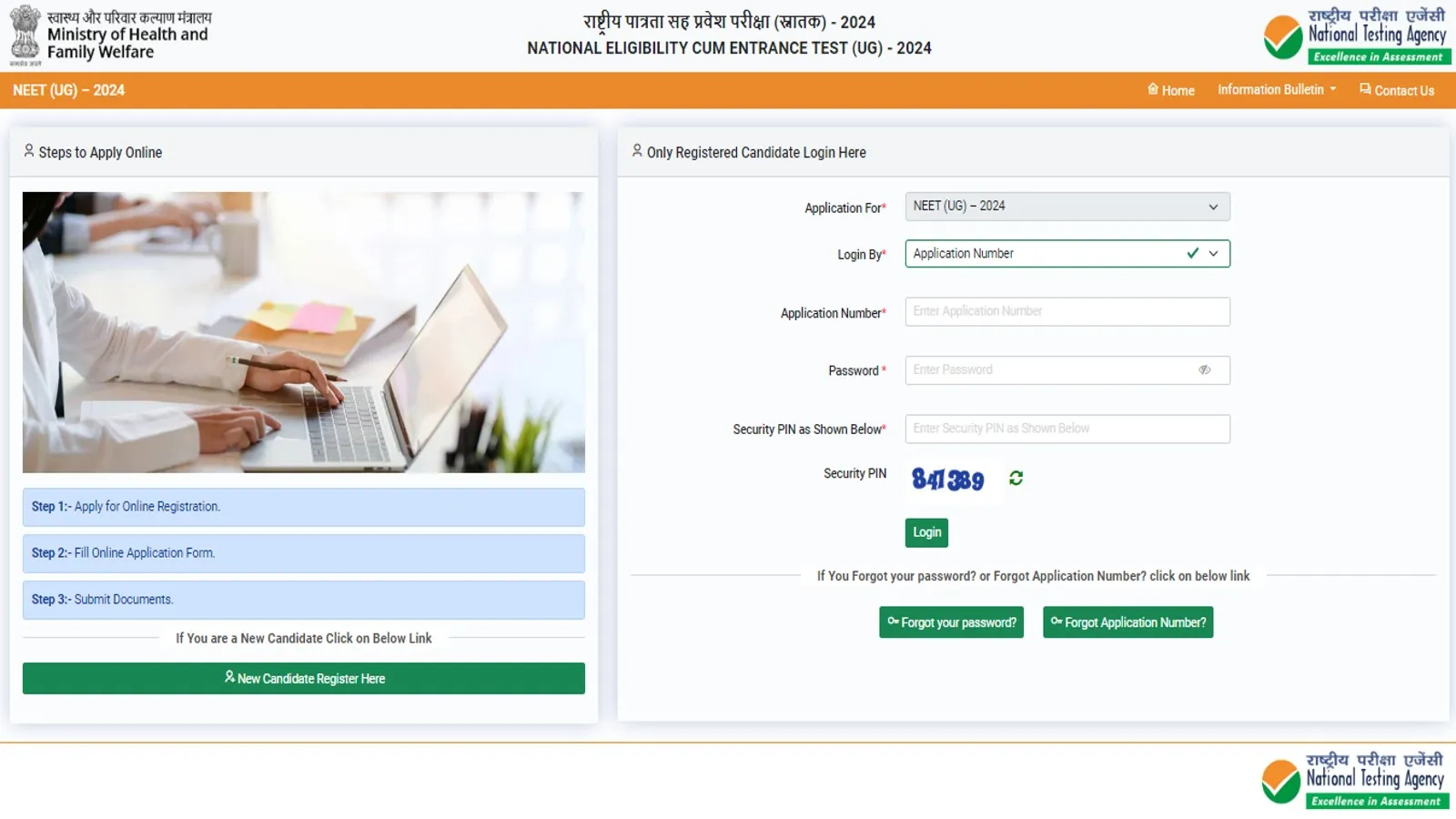




NEET-UG The National Eligibility cum Entrance Test (NEET-UG) serves as a pivotal examination for aspiring medical students in India. It is the sole pathway for admission into undergraduate medical courses across numerous medical colleges in the country. Conducted by the National Testing Agency (NTA), the examination evaluates candidates’ knowledge in subjects such as Physics, Chemistry, and Biology. Beyond merely assessing academic proficiency, NEET-UG plays a crucial role in determining entry into the lucrative field of medicine, making it a focal point for students and educational institutions alike.
Since its inception, NEET-UG has faced various controversies and challenges. Several instances of discrepancy in the examination process have been reported, ranging from allegations of paper leaks to questions regarding the accuracy and fairness of the grading system. Each year, the examination attracts a massive number of candidates, which consequently intensifies scrutiny over its conducting and assessment procedures. The high-stakes nature of the exam leads to significant pressure on students, which can often result in disputes.
Recently, a notable case escalated to the Supreme Court concerning the NEET-UG. A candidate challenged six answers from the re-examination conducted by the NTA, claiming that the responses provided by the examination body were incorrect. This challenge not only underscored the ongoing concerns around the integrity of the examination but also highlighted the broader implications of test-related grievances among aspiring medical professionals. The Supreme Court’s dismissal of the plea showcases the legal complexities surrounding educational assessments and the need for stringent measures to maintain transparency and fairness in medical admissions.
Supreme Court Proceedings and Verdict
The recent legal proceedings in the Supreme Court concerning the NEET-UG 2026 examination brought to light significant concerns raised by a candidate regarding six specific answers that had been provided during the re-examination. The candidate contended that these answers were incorrect and thus sought to challenge the results based on perceived discrepancies in the answer key. This case has highlighted the meticulous scrutiny that candidates often place upon examination protocols and the accountability that examination authorities must uphold.
During the court hearings, the argument presented by the applicant revolved around the claim that the official answer key was flawed and had consequently resulted in an unfair evaluation of candidates’ performances. The applicant argued that the discrepancies amounted to a violation of principles of fairness and integrity within the examination process. In response, representatives from the examination authority defended the accuracy of the answer key and the fairness of the examination process. They emphasized that the key was set after thorough consultations and expert evaluations, thus asserting that the results were consistent with the established criteria for assessing candidates.
After careful consideration, the Supreme Court dismissed the plea, underscoring that the candidate failed to provide substantial evidence to support the claims against the validity of the answer key. The court asserted that challenges to examination outcomes must be grounded in credible evidence and that mere dissatisfaction with results does not warrant legal intervention. This verdict not only reinforces the current standing of examination authorities regarding their fairness and consistency but also sets a precedent for future NEET-UG cases. It signals to candidates that while grievances may arise, they must be carefully substantiated to warrant legal examination, thereby maintaining the integrity and robustness of the examination process.
Implications of the Ruling on Future NEET-UG Candidates
The recent ruling by the Supreme Court concerning the NEET-UG examination has far-reaching implications for both current and future candidates of this highly competitive medical entrance assessment. By dismissing a plea challenging six answers from the re-examination, the Court has underscored the importance of maintaining the integrity of examination processes. This decision offers clarity on how future discrepancies may be addressed, potentially setting a precedent for similar cases moving forward.
For candidates preparing for the NEET-UG exams in subsequent years, this ruling may influence their approach towards challenges related to exam content and answers. Students may be deterred from contesting answer key discrepancies, understanding that the likelihood of favorable outcomes in judicial reviews demonstrates a preference for upholding the existing processes. Consequently, candidates might adapt their strategies, concentrating on honing their test-taking skills and thorough preparation rather than engaging in post-examination disputes.
The educational community is also expected to react to this decision with both caution and anticipation. Educational institutions and coaching centers may revise their strategies to enhance student preparedness, ensuring that candidates are aware of the existing limitations regarding contestation of examination results. Additionally, this ruling might encourage the National Testing Agency to reconsider and possibly strengthen its examination procedures, aiming to minimize incidents of ambiguity in answer keys. Such proactive measures could bolster the credibility of the NEET-UG examination, which is pivotal for students aspiring to enter the medical field.
In light of this ruling, future NEET-UG candidates may need to cultivate resilience and adaptability while preparing for their examinations, understanding that their focus should remain on performance rather than potential appeals after the fact. The impact of this decision will likely resonate throughout the educational landscape for years to come.
Expert Opinions and Reactions from Stakeholders
The recent Supreme Court decision to dismiss a candidate’s plea challenging six answers in the NEET-UG re-examination has ignited a wave of responses from various stakeholders, including legal experts, educators, and medical professionals. Many legal analysts have underscored the court’s role in upholding the integrity of the examination process, stating that judicial intervention in educational assessments should be limited. They argue this ruling reflects a significant commitment to maintain the reliability of examination results, which ultimately serves the greater public interest.
Educators have expressed a mix of relief and concern regarding the ruling. On one hand, they appreciate that the judiciary has backed the credibility of structured examination systems like NEET-UG. On the other hand, some experts have emphasized the need for greater transparency in the evaluation process to prevent future disputes. They recommend that examination authorities implement comprehensive review mechanisms for answers and challenge processes that can effectively address candidates’ grievances.
The medical community has also reacted to the implications of this ruling, noting that the fairness and accuracy of NEET are pivotal for ensuring qualified candidates enter the medical field. Dr. Anjali Mehra, a prominent medical educator, suggests that this ruling poses an opportunity for reform in the examination system, urging stakeholders to consider incorporating modern technologies and practices to validate responses and answer keys used in assessments.
Families and candidates impacted by this decision have expressed mixed feelings. While some acknowledge the need for due process in maintaining standards, others voice frustration over the perceived lack of recourse available in such situations. The ruling underscores an urgent need for dialogue among stakeholders regarding potential reforms. In moving forward, establishing a more collaborative framework between the examination body, candidates, and legal entities may build public trust in the integrity of the testing process.