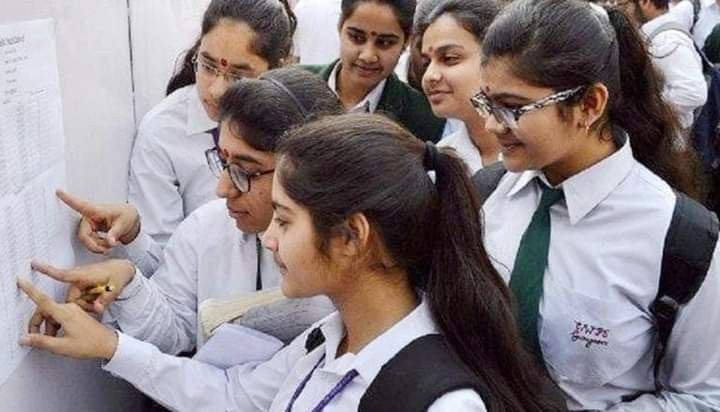




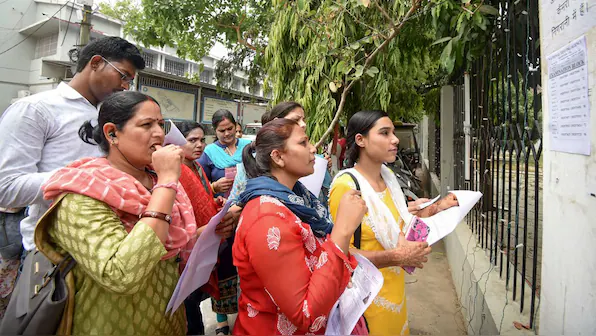

The National Eligibility cum Entrance Test (NEET) plays a pivotal role in the academic landscape of India, particularly for students aspiring to enter the medical field. Designed to assess the readiness and knowledge of prospective medical students, NEET serves as a gateway to various undergraduate medical courses across the nation. The significance of this examination cannot be overstated, as it fundamentally influences the educational trajectories of millions of candidates each year.
NEET’s structure tests students on crucial subjects such as Physics, Chemistry, and Biology, thus ensuring that only those with a comprehensive grasp of the necessary scientific principles proceed to medical training. Given that admission to medical colleges is highly competitive, the stakes are extraordinarily high; a student’s performance in this examination can drastically alter their educational and professional pathways. The pressure to excel in NEET creates a challenging environment, where many learners grapple with immense stress and anxiety.
In addition to the inherent academic challenges, students face significant societal expectations and familial pressure regarding their outcomes in NEET. For many, failing to secure a favorable score can mean not only a delay in their career aspirations but also disappointment for their families and communities. The environment surrounding NEET therefore encapsulates a blend of academic rigor and emotional strain, as students strive to meet both their personal ambitions and external expectations. Challenges such as last-minute preparation, financial constraints for coaching classes, and mental health issues are commonplace among NEET aspirants.
Thus, understanding NEET’s importance goes beyond mere statistical relevance; it encapsulates the dreams and aspirations of countless youthful minds eager to embark on a future in medicine. The system surrounding NEET must also address these challenges, ensuring the examination process remains a fair and supportive avenue for students, paving the way for their future in healthcare.
The Impact of Paper Leaks on Students and the Education System
The integrity of the examination process is fundamental to maintaining public trust in educational systems, particularly with high-stakes tests such as the National Eligibility cum Entrance Test (NEET). Recent incidents of NEET paper leaks have significantly compromised this integrity, sparking widespread anxiety among students and raising questions about the reliability of the examination itself. When exams are undermined by leaks, students are often left in a state of confusion and distrust, not only concerning their own preparedness but also regarding the fairness of the assessment process.
For many aspiring medical students, NEET represents a critical milestone on their educational journey. However, paper leaks result in heightened stress levels, as students question the authenticity and credibility of the examination results. Such situations can lead to diminished confidence in their own abilities, fostering an environment of uncertainty and disillusionment. Furthermore, the distribution of leaked papers creates an uneven playing field where some candidates may gain unfair advantages over others, thereby eroding the principle of meritocracy that entrance examinations are supposed to uphold.
The repercussions extend beyond individual students, impacting the broader education sector and the credibility of entrance examinations as a whole. Educational institutions may find themselves under increased scrutiny from both the public and regulatory bodies, which can lead to calls for comprehensive reforms and stricter oversight measures. As the government and education authorities grapple with the realities of such incidents, there lies a potential risk of further alienating students who already feel disenchanted with the system. Ultimately, the fallout from NEET paper leaks is not just about one examination; it raises critical concerns about the governance and accountability of the educational framework designed to serve the youth.
Youth Agitation: A Response to Accountability Issues
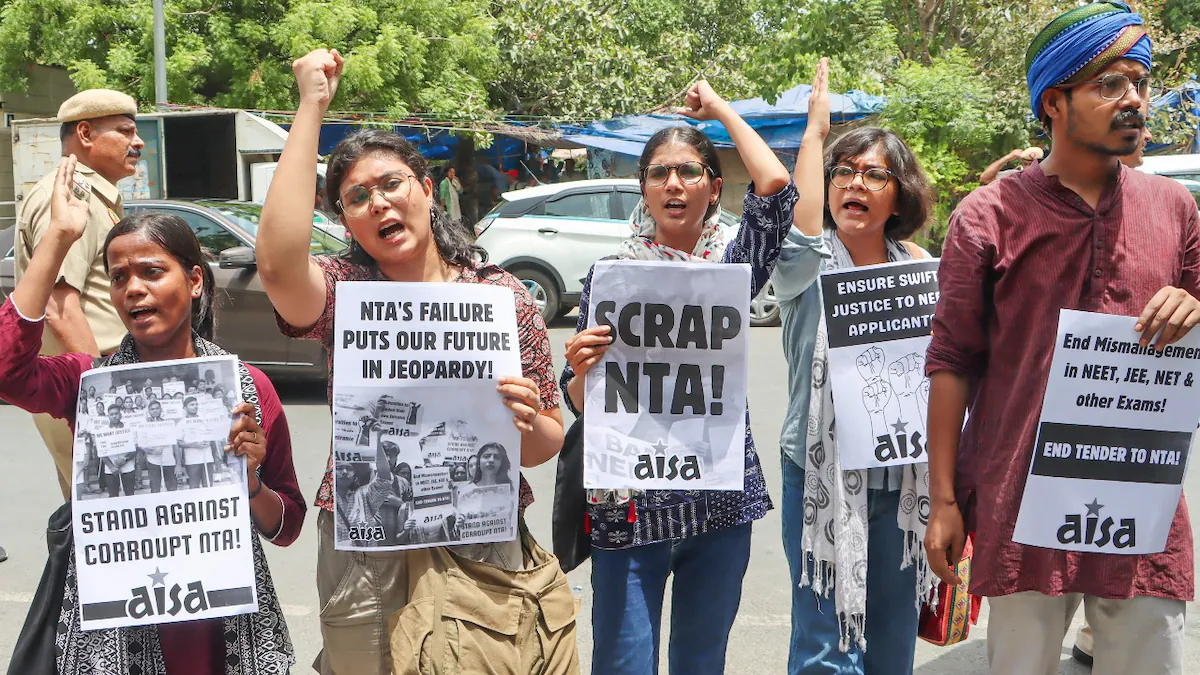
The recent wave of youth protests surrounding the NEET paper leaks highlights significant concerns regarding accountability within the education sector. Many young individuals have taken to the streets, voicing their discontent not only with the leaks themselves but also with a broader sense of injustice related to educational policies. These protests are driven by frustration over perceived lapses in the integrity and transparency of examinations that can significantly impact students’ futures.
At the heart of this agitation lies the belief that the education system must be rooted in fairness and equity. The NEET paper leak incidents have sparked fears of compromised meritocracy, where students investing immense effort to prepare for these competitive exams feel undermined by unethical practices that may favor a few over the many. This sentiment resonates with youth who are increasingly vocal about their demand for a system that does not tolerate such irregularities, thus ensuring their hard work is duly rewarded.
Furthermore, the protests reflect deeper frustrations regarding governmental handling of educational issues. Young protesters often express dissatisfaction with the lack of responsiveness to their concerns; many feel that their voices have been ignored in the broader discourse on educational reform. There is a palpable sense of disillusionment with the trust placed in institutions that are meant to uphold educational standards. As a result, these protests not only represent discontent with NEET-related incidents but also indicate a burgeoning demand for greater transparency, accountability, and systemic change within the educational framework.
In this context, youth protests serve as a powerful reminder of the need for reform in educational governance. The mobilization of young individuals highlights their role as active participants in advocating for accountability, pushing the narrative that a significant overhaul in policy and administration is necessary to restore trust and integrity in the education system. Such movements can potentially encourage policymakers to take heed of the concerns raised, ultimately shaping the future landscape of educational accountability.
Parliamentary Accountability: Questions and Expectations
The recent incidents involving the leakage of NEET papers have ignited significant discussions around the issue of governmental accountability, particularly in the domain of educational assessments. The Chief Justice of India has emphasized the crucial need for robust mechanisms that ensure transparency and integrity within our educational frameworks. This emphasis raises pertinent questions about government institutions’ roles and responsibilities in safeguarding the sanctity of examinations that impact the future of countless students.
In light of the NEET paper leaks, expectations from the government have intensified. Stakeholders, including students, parents, and educators, demand a clear action plan that holds responsible parties accountable. The necessity for reforms in how examinations are organized and monitored cannot be overstated, as lapses in these areas can diminish public trust in the entire system. The implications of these crises extend beyond the immediate fallout; they question whether current oversight mechanisms are sufficient to prevent such occurrences in the future.
Moreover, scrutiny of governmental bodies is essential to ensure they uphold ethical standards and operate transparently. This includes not only addressing existing vulnerabilities but also building frameworks that inhibit future risks. Legislative reforms, which may include stricter penalties for malpractice and enhanced scrutiny of examination processes, could serve as deterrents to misconduct. Engaging public participation in monitoring efforts can also facilitate a collaborative approach to enhance accountability.
Ultimately, restoring faith in educational assessments will require a concerted effort from all stakeholders. The ensuing discussions around the reform of examination protocols and the establishment of rigorous accountability measures are vital. As we navigate through these turbulent waters, it is imperative to foster a culture of transparency, ensuring that governmental bodies are not only held accountable but also actively work towards maintaining the integrity of the education system.