




Students preparing for the 2027 CBSE Class 10 and Class 12 board examinations are watching for the official date sheet, as knowing when each paper will take place can make preparation more structured. The subject-wise schedule is more than a list of dates: it gives students a clearer view of the time available between examinations and helps them plan how to use it. Until the Central Board of Secondary Education publishes the timetable, however, the examination dates remain unconfirmed. Students should rely on official CBSE communications rather than treat speculation or unofficial schedules as final.
Once released, the date sheet will help candidates build a revision plan around the order of their subjects. They can identify which topics need attention first, set realistic study targets and reserve time for practice papers and revision. The gaps between examinations may also influence how students divide their effort, particularly when several subjects require substantial preparation. A timetable can therefore reduce uncertainty and support more deliberate planning, but it does not replace a steady study routine or guidance from teachers.
The schedule is also relevant to practical work and commitments beyond written exam preparation. Class 12 students may need to coordinate practical examinations, projects or internal assessments with their broader revision plans, while students in both classes may be balancing school responsibilities and personal obligations. Having confirmed dates allows families and educators to plan around the examination period with greater confidence. Until CBSE issues the 2027 date sheet, students can continue studying according to their syllabus, keep track of school notices and avoid making firm plans based on unverified dates. The timetable is awaited, but its publication should only be considered confirmed when the board announces it through an official channel.
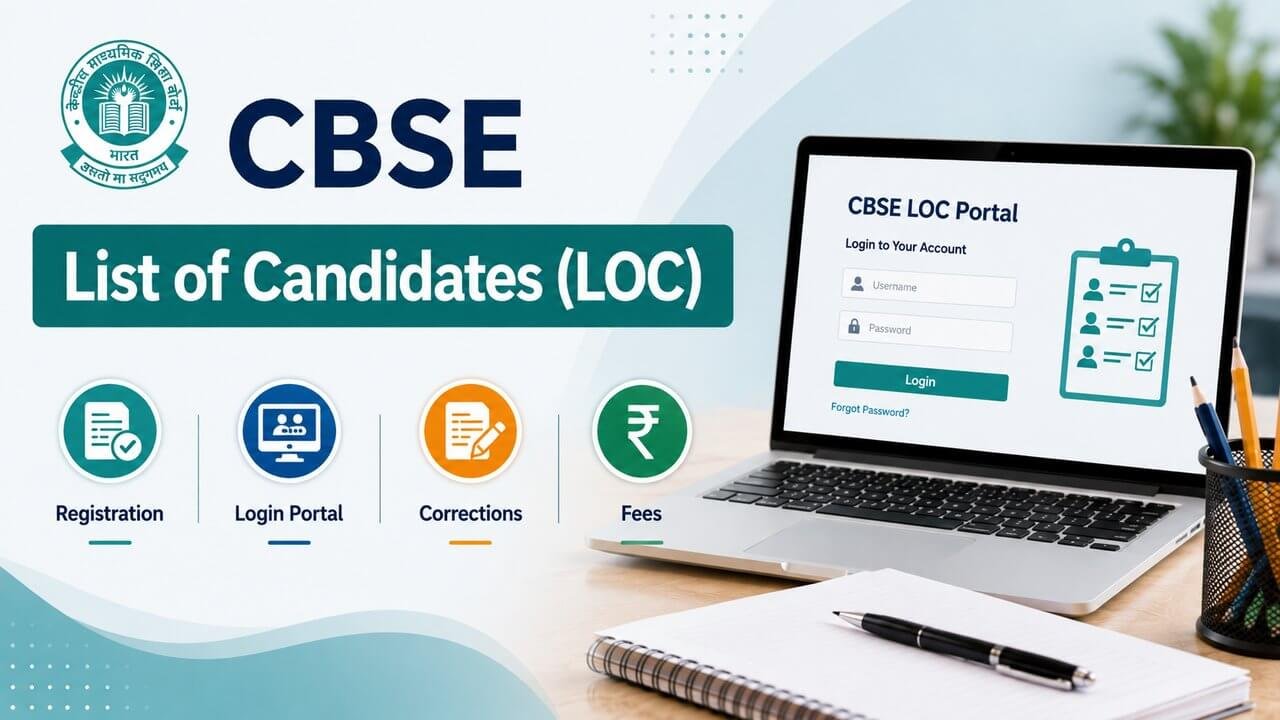
The List of Candidates (LOC) is the school-based process through which a student’s details are confirmed for CBSE board examinations. Schools prepare and submit the list of students expected to appear, rather than students independently registering each detail with the Board. This makes the LOC an important administrative record: it identifies who is entered for the examinations and provides information needed to prepare accurate examination arrangements. Before submission, schools should check their records carefully and follow the instructions in the relevant CBSE notice. The process also gives schools an opportunity to resolve missing or inconsistent entries before the examination cycle advances.
LOC details generally include students’ personal information, such as names and other identifying particulars, along with the subjects selected for the examinations. These entries matter because errors or omissions may affect a student’s registration and the papers they are scheduled to take. Students and parents can help by reviewing the information provided by the school and promptly reporting any discrepancy. The school is responsible for verifying and submitting the records in accordance with CBSE requirements, so questions about corrections, confirmation, or submission status should first be directed to the school. Any correction process or supporting documentation should follow the applicable official instructions.
For the current update, October 21 has been reported as the deadline for LOC submissions. Schools should treat that date as relevant while checking the circular that applies to their examination session: CBSE deadlines can differ by session, and the Board may issue extensions or updated directions. A reported date should therefore not replace the official notice or confirmation from the school. Completion of LOC submissions is an administrative milestone that helps the Board establish candidate records and plan examination arrangements. It does not, by itself, confirm that the CBSE date sheet will be released immediately afterward. The schedule announcement is a separate step, and readers should rely on official CBSE updates for its timing.
Students and parents waiting for the CBSE 2027 date sheet should use the Central Board of Secondary Education’s official website as their primary source. Check the board’s announcements and circulars directly, rather than relying on social-media posts, forwarded messages, news snippets, or screenshots whose origin may be unclear. Such material can omit important context or continue circulating after information has been updated.
Before treating a document as relevant, verify its details carefully. Confirm that it refers to the correct academic year and the examination class concerned, such as Class 10 or Class 12. Check the document’s date and identify whether it is a notice, draft, provisional schedule, or final date sheet. A file that appears official may relate to a different year, examination session, or class, so the heading and accompanying circular matter as much as the dates shown.
When a schedule is published, use the version available through CBSE’s own channels and read any associated instructions. If the board issues a revised document, compare the publication details and rely on the latest confirmed information rather than an older copy saved or shared elsewhere. Avoid assuming that an image or message is genuine solely because it includes a logo or is widely circulated.
Schools may also share confirmed information with students and parents through their usual communication channels. These updates can help families understand the official notice, but readers should still check that the details match the board’s published document. If a school communication and an online post appear inconsistent, consult the official CBSE website or ask the school to clarify the source before acting on the information.
Until the board publishes a confirmed schedule, treat specific dates circulating online with caution. Keeping the official website accessible and checking notices periodically is a straightforward way to avoid confusion and plan around information that has actually been verified.
While the confirmed CBSE 2027 examination timetable is awaited, students can make steady progress without trying to predict the dates or order of papers. Begin with the current syllabus and the latest guidance shared by CBSE and your school. Mark each chapter as completed, in progress, or still to be studied, then use this overview to identify gaps. Avoid relying on old syllabus lists or unverified social media claims; check official notices through the CBSE website and school communications.
Create a balanced weekly revision plan that gives every subject regular attention and includes breaks. Divide study time into manageable sessions, setting specific goals such as revising a concept, solving a set of numericals, or reviewing a writing format. Schedule short reviews of earlier learning alongside new topics to improve recall. Practise sample papers and past questions under timed conditions, but use them to find areas for improvement rather than to guess the future paper. After each attempt, check answers carefully, note recurring mistakes, and revisit the relevant lessons. Reserve fixed time each week for weaker topics; begin with one clear skill or chapter and seek help from a teacher when difficulties persist.
Before the relevant LOC deadline, confirm with your school that your selected subjects are recorded correctly and that personal details match required records. Raise discrepancies promptly, and follow instructions about corrections or documents. Completing this check early can reduce avoidable stress. Check official timetable announcements at reasonable intervals through school communications or CBSE channels, rather than refreshing constantly. Until dates are confirmed, keep the plan balanced. After publication, adjust revision order and intensity to the confirmed schedule, giving nearer papers focused practice. Maintain sleep, meals, and breaks; sustainable preparation is more useful than a last-minute rush. Make small changes, not a complete reset, as new information becomes available.