




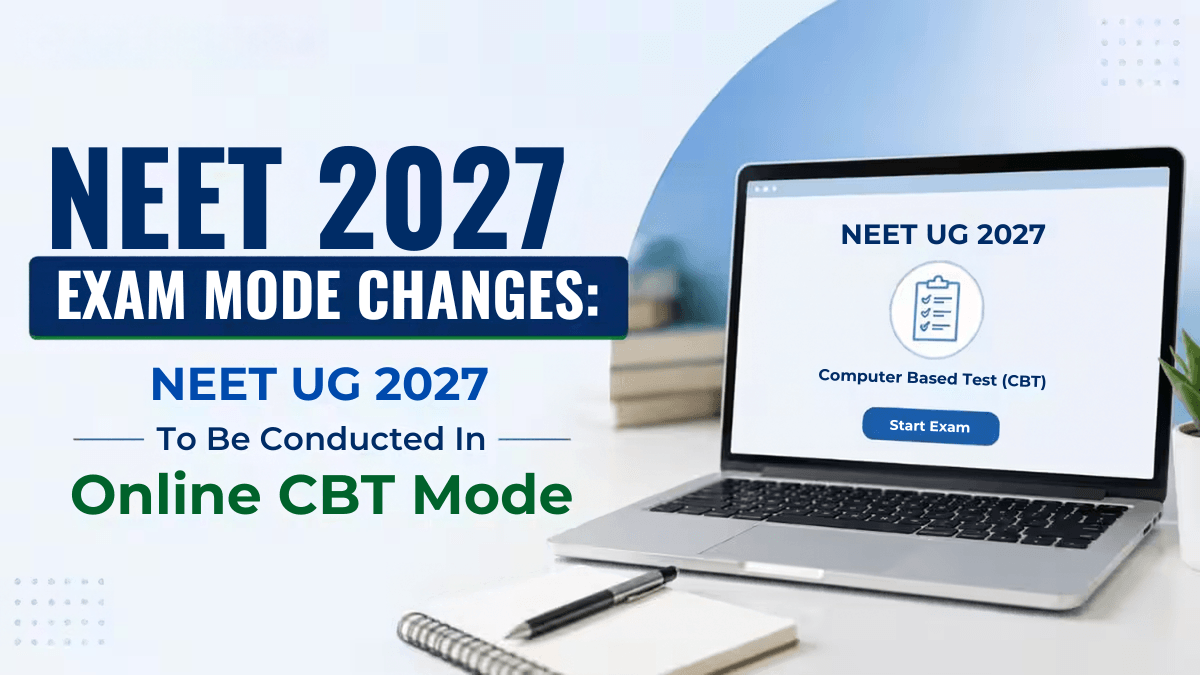
The transition from traditional examination formats to computer-based testing (CBT) for the NEET (National Eligibility cum Entrance Test) is a significant development in the educational landscape of India. This shift aims to modernize the assessment process, aligning it with advancements in technology and educational practices.
One of the primary advantages of CBT is its improved efficiency in conducting exams. The traditional paper-and-pencil exams often involve logistical challenges, such as printing, distributing, and collecting answer sheets. CBT eliminates many of these hurdles, enabling a streamlined process where candidates take their exams on computers at designated centers. This not only reduces the chances of errors commonly associated with manual handling but also allows for a broader reach, as more examination centers can be made available across the country.
Another significant benefit is the quicker result processing associated with CBT. Unlike traditional methods that require extensive time for evaluation and coordination, computer-based assessments can provide instant or rapid results. This timely feedback is crucial for students who are eager to know their standings and plan their next educational steps accordingly. With the capability to analyze results swiftly, the authorities can maintain a more efficient examination cycle.
Accessibility is also a key factor that makes CBT appealing. Candidates located in remote areas now have the opportunity to participate in examinations without the additional burden of traveling long distances to test centers. The introduction of online education formats has helped familiarize students with technological interfaces, making them more adaptable to computer-based assessments.
The expected timeline for the full implementation of CBT for NEET includes a phased approach where pilot tests might be conducted first, followed by feedback and adjustments before a nationwide rollout. The Ministry of Education is expected to play a pivotal role in overseeing this transition, ensuring that all necessary infrastructure and training are in place for both candidates and examination personnel.
Impacts of Online Exams on NEET Candidates
The transition to online examinations for the National Eligibility Entrance Test (NEET) introduces significant ramifications for aspirants preparing to enter the medical field. This shift towards digital assessments provides an array of benefits, including enhanced flexibility and the potential to alleviate exam-related stress, which are crucial for optimal performance.
One of the most notable advantages of online examinations is the flexibility they offer in scheduling. NEET candidates can take the test in a more accommodating environment, potentially easier to manage than traditional in-person settings. This flexibility can prove instrumental in enabling students to choose specific time slots that align better with their peak performance periods. Moreover, the online format allows students to select convenient test centers or even opt to take examinations from their own homes, provided they meet the required technical specifications.
Another potential benefit is the reduction of anxiety typically associated with high-stakes examinations like NEET. By familiarizing themselves with online testing platforms through practice examinations, candidates can build confidence in their ability to navigate digital environments. This exposure can diminish feelings of apprehension and enhance overall performance on the actual exam day.
However, the transition to online assessments is not without its challenges. One significant concern is the technological adeptness required to effectively engage with a digital testing platform. Candidates must be comfortable using computers, navigating software, and managing time constraints inherent to online examinations. Alongside technological fluency, access to a reliable internet connection is paramount. Students in remote or rural areas may face difficulties that could hinder their examination experience.
In conclusion, while the online examination format for NEET presents numerous advantages that could benefit candidates, it also introduces certain challenges that must be addressed. The success of this transition will ultimately depend on ensuring that all students have the necessary resources and support to thrive in a digital testing environment.
Technological Infrastructure and Support for NEET CBT
The transition to computer-based testing (CBT) for the National Eligibility cum Entrance Test (NEET) signals a crucial evolution in the examination landscape. To facilitate this shift, robust technological infrastructure must be established to ensure a seamless examination process. Central to this infrastructure is the need for reliable hardware, software, and a conducive environment that encourages a smooth testing experience for candidates.
The examination system should be supported by well-maintained computer labs equipped with updated hardware and high-speed internet connectivity. This setup will minimize technical disruptions and allow for real-time monitoring of the examination process. Additionally, comprehensive software solutions are needed to manage the examination logistics effectively. These systems must handle candidate registrations, test distributions, and result processing efficiently, thereby ensuring a streamlined experience for all stakeholders involved.
Data security and privacy present another critical dimension to the implementation of NEET CBT. Strong encryption protocols and secure servers are essential to protect sensitive candidate data from unauthorized access and breaches. Furthermore, implementing robust authentication processes will verify candidate identities and maintain the integrity of the examination. Moreover, creating a stable examination environment will involve rigorous testing of all IT systems to identify and mitigate any potential vulnerabilities.
Student support is integral to the successful deployment of NEET CBT. Institutions must provide pre-test training systems, ensuring that candidates are well-acquainted with the online testing format. This may include practice tests that mimic the actual exam environment, enabling students to familiarize themselves with the interface and procedures. Additionally, technical support must be readily available during the examination period to assist students encountering challenges with the technology. Overall, the establishment of a well-rounded technological infrastructure, coupled with effective student support systems, is vital in realizing the full potential of computer-based testing in NEET.
The Future Landscape of Medical Entrance Examinations
The transition to Computer-Based Testing (CBT) for the National Eligibility cum Entrance Test (NEET) represents not merely a technological shift but a broader transformation in the approach to medical entrance examinations in India. As we look ahead, it is essential to consider the potential changes that this new format may entail. One significant implication is the adaptation of exam formats to better assess candidates’ knowledge and critical thinking skills. The traditional pen-and-paper model, while effective in certain respects, often limited the range of questions that could be evaluated.
With CBT, the possibility arises to incorporate a wider variety of question types, including interactive and scenario-based questions which can provide insights into a candidate’s practical understanding of medical concepts. This shift could redefine what is expected from students in their preparations. They may need to adjust their study strategies to not only focus on rote memorization but also to develop analytical and problem-solving abilities that can be tested in a digital format.
Furthermore, the move towards online assessment may also democratize access to quality education resources. As more materials become available in digital formats, students from varied geographical backgrounds can benefit from the same level of preparation resources at their fingertips, reducing disparities in access to learning tools. This could lead to a more equitable environment for candidates regardless of their socio-economic status.
Additionally, the implications for the medical education system in India are profound. The integration of technology in examinations paves the way for more streamlined and efficient processes. This can potentially lead to an increase in the number of candidates who readily participate in these assessments, as the ease of online registration and examination can minimize logistical hurdles. Enhanced data analytics from CBT can also facilitate better understanding of student performance trends, identifying areas of improvement for future cohorts and influencing curriculum development within medical colleges.
In conclusion, the future landscape of medical entrance examinations in India is likely to be characterized by technological integration, a focus on critical skills, equitable access to resources, and data-driven education strategies. Adapting to these changes will be crucial for students and educators alike as the evolution of CBAT continues to shape the processes of medical education.