




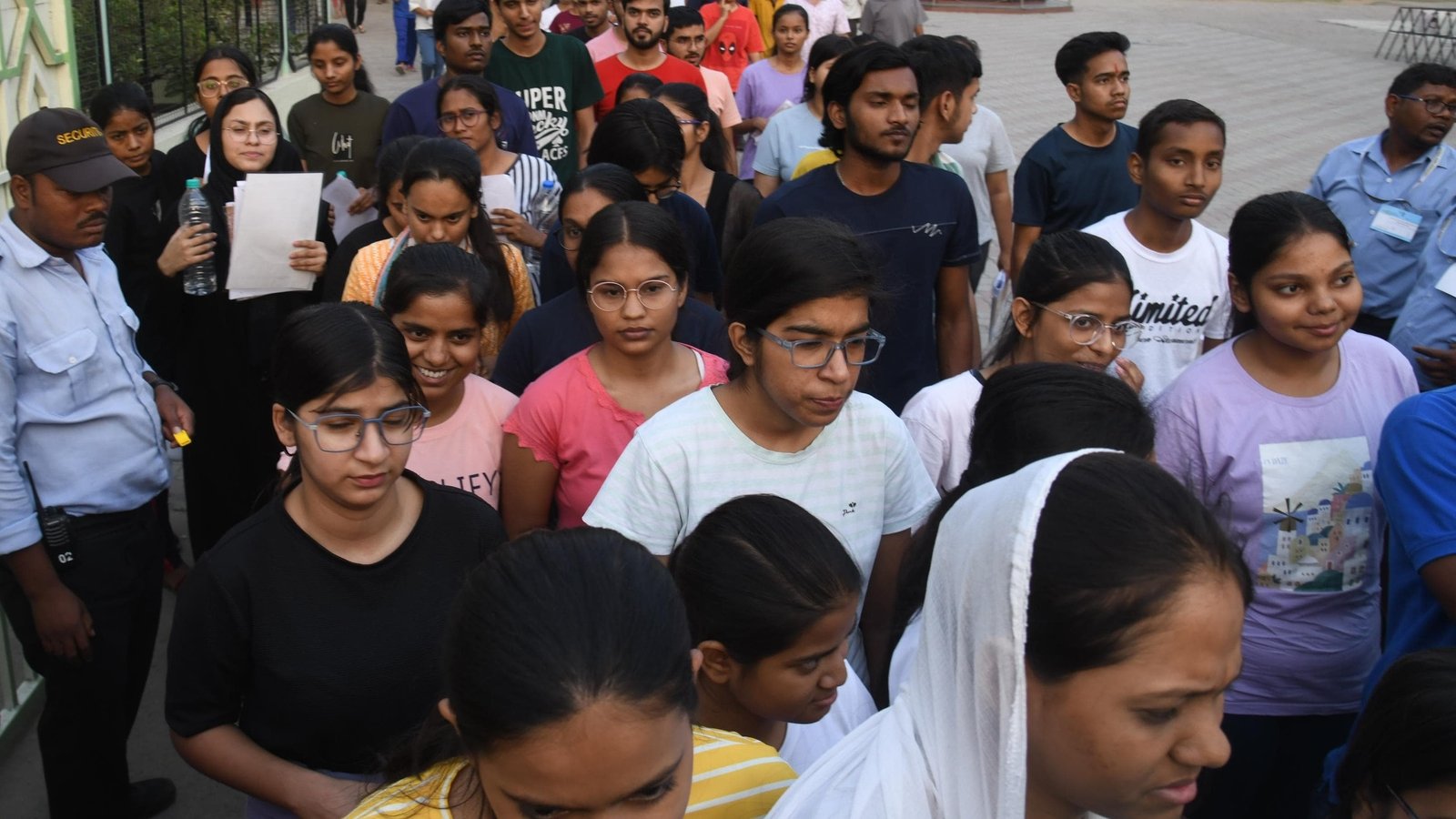
NEET-UG 2026 The National Eligibility Entrance Test for Undergraduate (NEET-UG) serves as a pivotal assessment for students aspiring to pursue medical education in India. This examination, which occurs annually, holds significant weight in determining a student’s eligibility for admission into various medical colleges across the country. However, the NEET-UG 2026 season faced an unprecedented disruption when reports emerged regarding a leak of a guess paper, prompting immediate scrutiny and actions from the relevant authorities.
The controversy began unfolding in early March 2026, just weeks before the scheduled examination date, when social media platforms became inundated with images claiming to showcase questions from the leaked guess paper. The authenticity of these documents rapidly became a focal point of discussion among students, parents, and educational institutions. The National Testing Agency (NTA), responsible for overseeing the NEET examinations, commenced an investigation to ascertain the credibility of these claims and ensure the integrity of the examination process.
The timeline of events escalated significantly when the NTA, upon reviewing the allegations, made the proactive decision to cancel the NEET-UG 2026 examination altogether. This announcement reverberated through the academic community, leaving students in limbo and raising questions about the future of medical education in India. In the immediate aftermath, there were widespread reactions from various stakeholders. Students expressed anxiety about their academic prospects, parents voiced concerns regarding the fairness of the admission process, and educational institutions called for a thorough investigation to resolve the matter.
In light of these circumstances, the cancellation of NEET-UG 2026 has sparked debates on the security measures in place for competitive examinations and the repercussions that will follow for both aspiring medical students and the governing bodies involved. The need for transparency, fairness, and remedial action has become more pressing than ever.
Understanding the ‘Guess Paper’ Leak IncidentThe cancellation of the NEET-UG 2026 examination can be traced back to a significant incident involving the leak of a so-called ‘guess paper.’ This leaked material contained answers and questions that were presumed to be on the exam, leading to widespread concern regarding the fairness and validity of the examination process. The leak is thought to have originated from unauthorized sources, who exploited modern communication technologies to disseminate this sensitive information. Social media platforms and messaging apps served as the primary channels through which the leaked content spread, allowing it to reach a substantial number of prospective candidates.
The use of technology has undeniably transformed the way information is shared, yet in this instance, it has also highlighted the vulnerabilities of the examination system. The rapid propagation of the leaked guess paper led to discontent among candidates who were preparing diligently for the exam based on the official syllabus. The integrity of the NEET-UG examination, which serves as a crucial gateway for medical aspirants in India, has been called into question. The incident raises pressing ethical concerns about the transparency and security measures in place to protect such critical examinations.
In response to the leak, authorities have initiated rigorous investigations to track down the culprits behind the breach. This includes cooperating with technology providers to identify the original sources of the leak and understand how it spread so quickly. While measures are being put in place to reinforce examination protocols and to enhance security practices, this incident serves as a reminder of the ongoing challenges faced by examination boards in maintaining the integrity of competitive processes. The implications of this leak extend beyond immediate examination consequences; they provoke a broader discussion on ethics in educational settings.
Impact on Students and Stakeholders
NEET-UG 2026 The cancellation of NEET-UG 2026 has had profound effects on various stakeholders, particularly the students who were intensively preparing for the exam. For many aspirants, the NEET-UG entrance exam is a crucial step towards fulfilling their dream of becoming medical professionals. The sudden disruption not only cultivates feelings of disappointment but can also lead to significant emotional distress. Many candidates invested countless hours in preparation, attending classes, and participating in mock tests, making the cancellation feel like a considerable setback.
Moreover, the psychological burden on students can lead to increased anxiety, doubt, and frustration. Students who had formulated strategic study plans may now find themselves at a crossroads, uncertain about their future. This uncertainty extends beyond academic performance, affecting their mental well-being. Parents, as primary supporters, are also impacted emotionally, often sharing their children’s distress over the future of their medical careers.
From a financial perspective, coaching centers that specialized in preparations for NEET-UG are facing significant implications. Many of these institutions depend heavily on enrollments tied to the examination cycle. The cancellation may force them to reconsider their business models, reduce staff, or even shut down operations if they do not pivot quickly. This disruption not only affects educators but also has potential cascading effects on the economy related to educational services.
Looking ahead, the broader ramifications for aspiring medical students could be substantial. With a possible backlog of candidates vying for limited seats in medical colleges, competition may intensify, making it even more crucial for students to maintain resilience during these trying times. The reactions from educators, healthcare professionals, and policymakers underscore the urgent need for systematic reforms to ensure the integrity and reliability of such pivotal examinations in the future.
Future of NEET-UG and Next Steps
The recent cancellation of the NEET-UG 2026 examination, stemming from significant issues including a leak of a ‘guess paper,’ has led to a pressing need for reflection and reform within the medical admission process in India. Moving forward, the immediate concern is rescheduling the examination. Stakeholders are currently engaged in discussions about setting a timeline, though it remains uncertain how long this process will take. Ideally, the intent is to conduct a rescheduled examination within the next academic year, to minimize disruption and potential loss of academic time for aspirants.
Furthermore, this incident has prompted various educational authorities and examination boards to re-evaluate their protocols. Significant reforms are expected to be initiated, encompassing advanced security measures and technological innovations. For instance, the adoption of biometric verification and real-time monitoring systems during the examination may be implemented to safeguard against future malpractices. Additionally, better training for exam invigilators and a more stringent selection process for exam centers could enhance the integrity of the NEET-UG examinations.
For students navigating this unexpected turn, it is essential to explore alternative pathways into medical education. Options may include considering private medical institutions that have their own entrance exams or looking into allied health science courses that may not require NEET-UG scores. Networking with academic counselors can also provide guidance on potential backup plans while waiting for further clarity on NEET-UG’s rescheduling. Staying informed through official announcements will be vital in making informed decisions during this uncertain period, ensuring that students remain proactive about their educational futures.