




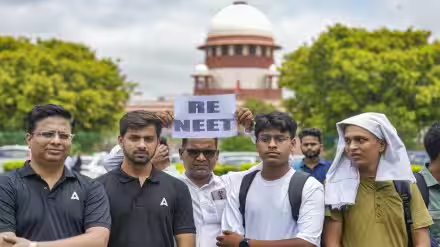
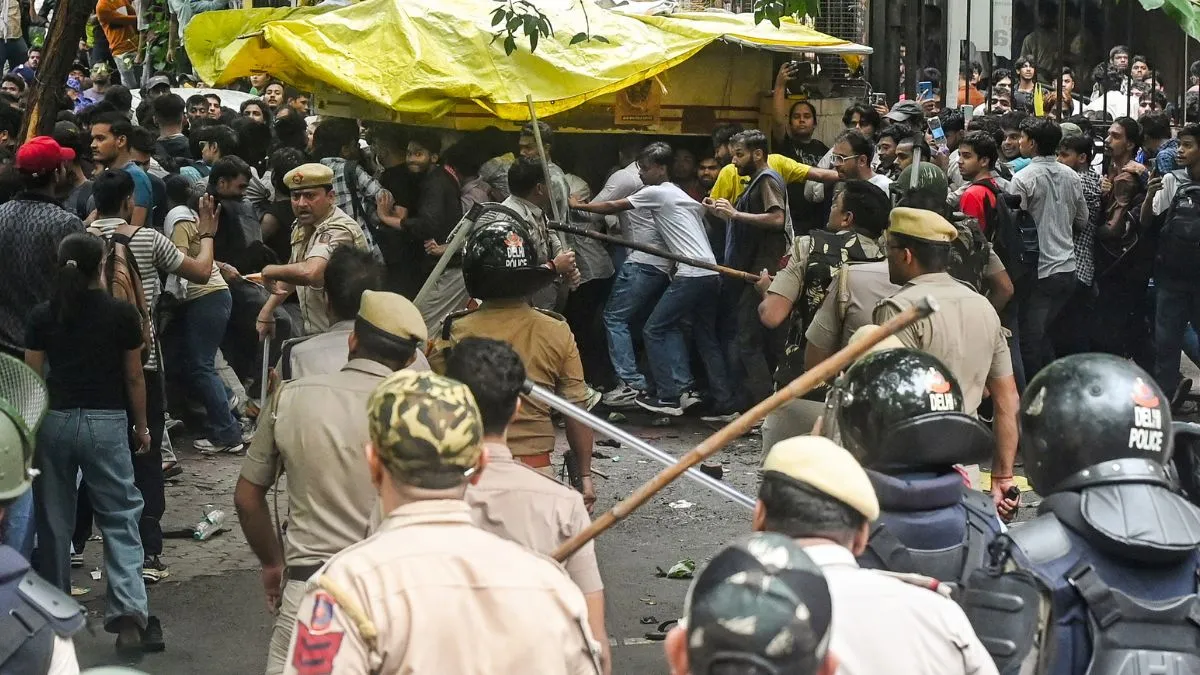
NEET The National Eligibility cum Entrance Test, commonly referred to as NEET, serves as the sole examination for medical admissions across various institutions in India. While it was established to create a standardized approach towards assessing students’ competencies, it has also emerged as a source of contention among aspiring medical students and various stakeholder groups. The NEET protests have taken center stage in recent discussions, underscoring significant concerns regarding the examination’s structure and fairness.
Protesters claim that the NEET exam disproportionately disadvantages students from marginalized backgrounds, particularly those attending under-resourced schools. Many individuals perceive the examination as an imbalanced mechanism that does not adequately assess practical knowledge or skills, often focusing too heavily on rote memorization. This perspective has led to widespread grievances, highlighting issues such as unequal access to quality educational resources and coaching centers that may enhance a student’s ability to perform well in the exam.
Additionally, the protests have been fueled by concerns surrounding the pressure placed on students during the examination process. The focus on a single high-stakes test, which ultimately determines a candidate’s future in the medical field, has raised alarms regarding mental health issues among students. Furthermore, calls for a more transparent admission process echo throughout the protests, with many advocates pushing for alternative evaluation metrics that consider holistic development and educational equity.
The NEET protests thus not only represent the immediate grievances of students and their supporters but also reflect broader systemic issues within India’s educational framework. These demonstrations have catalyzed conversations about the necessity for reforms that could pave the way for a more inclusive and fair medical admissions process. As the landscape of education continues to evolve, addressing these concerns remains pivotal for ensuring the integrity of the NEET and its implications for aspiring medical professionals in the country.
Supreme Court’s Intervention and Response
The Supreme Court of India recently intervened in the ongoing protests related to the National Eligibility cum Entrance Test (NEET), specifically addressing concerns regarding police conduct during these demonstrations. The protests have drawn attention due to allegations of excessive force used by law enforcement officials and the unlawful detention of minors. In light of these events, the Supreme Court has called for an independent investigation to examine the actions of the police with respect to the rights of protesters.
During the protests, claims surfaced asserting that police employed disproportionate force against demonstrators, prompting calls for accountability and scrutiny of police practices. The Supreme Court’s response illustrates a proactive approach towards upholding the rule of law and safeguarding citizens’ rights during public unrest. With its mandate, the Court aims to ensure that all actions taken by law enforcement during these protests adhere to legal standards. Such scrutiny is essential not only for restoring public trust but also for ensuring that fundamental rights, especially those pertaining to minors, are not infringed upon.
Furthermore, the Supreme Court ordered the immediate release of minors who were detained during the protests, emphasizing the need to protect the rights of vulnerable populations. This decision not only affirms the Court’s commitment to justice but also sends a clear message regarding the responsibility of law enforcement to act within the confines of the law. By intervening in this matter, the Supreme Court highlights its role as a guardian of rights, aiming to foster transparency and accountability within the policing system. The ongoing investigation will serve as a crucial step in addressing the grievances raised by the populace, ultimately paving the way towards a more just response to public dissent.
Implications for Students and the Education System
The recent Supreme Court ruling concerning the NEET protests has significant implications for students and the broader education system. First and foremost, the court’s order for the immediate release of detained minors emphasizes the need for humane treatment of individuals involved in protests, particularly those of school-going age. These minors, who often act out of concern for their educational futures, can be a sensitive demographic, and their detention raises questions about the intersection of student activism and law enforcement.
Furthermore, this ruling may redefine the relationship between students and law enforcement. Past instances of excessive force during protests have likely contributed to a climate of distrust between these two groups. By establishing accountability for police actions, the Supreme Court’s decision can foster a more constructive dialogue between students and law enforcement agencies in the future. This is imperative, as a positive relationship is essential for maintaining safety and open communication, thereby allowing students to express their grievances without fear of retribution.
Additionally, the Supreme Court’s directives may influence how educational institutions respond to student protests moving forward. Educational administrators may need to reconsider their policies surrounding student activism, ensuring that students’ rights to express their concerns are upheld. This could result in reforms that promote peaceful advocacy and discourage the use of punitive measures against students. As students continue to navigate the challenges of contemporary education, these developments will likely lead to a more engaged andresponsive educational environment.
In conclusion, the Supreme Court’s order serves as a crucial turning point, advocating for the welfare of minors embroiled in protests while also addressing broader issues related to student activism and institutional responses. As the implications of this ruling unfold, it will be essential to monitor its impact on both the student community and the educational landscape as a whole.
Reforming the NEET Examination System
The National Eligibility cum Entrance Test (NEET) plays a pivotal role in shaping the future of many aspiring medical students in India. However, recent protests have highlighted significant concerns regarding the existing system, necessitating a comprehensive review and reform of the NEET process. Firstly, modifications to the exam structure are essential. Implementing a tiered examination system could alleviate pressure on students while ensuring diverse assessment methods are employed. This approach allows candidates to showcase their knowledge over multiple opportunities rather than in a single high-stakes examination.
Moreover, transparency within the selection process is paramount. The introduction of a clear and publicly accessible criteria manual outlining the selection process can mitigate allegations of bias. This can also include detailed feedback mechanisms post-examinations, enabling students to understand their performance better and areas for improvement. Additionally, the introduction of a robust grievance redressal system would ensure that applicants have a platform to voice their concerns regarding the examination process, thereby fostering trust in the system.
Engaging students in the reform dialogue is another crucial aspect. Establishing student committees to collaborate with educational authorities can amplify student voices, allowing their opinions and suggestions to influence education policies more directly. Regular town hall meetings between stakeholders—including students, parents, teachers, and government representatives—can further enhance communication and understanding of the challenges faced by all parties involved. These collaborative efforts can lead to actionable strategies that resonate with the needs and expectations of students.
In summary, the reform of the NEET examination system must encompass structural changes, enhance transparency, and actively involve students in policy-making. Such reforms can pave the way for a fairer and more effective selection process, ultimately benefiting future generations of medical students in India.