






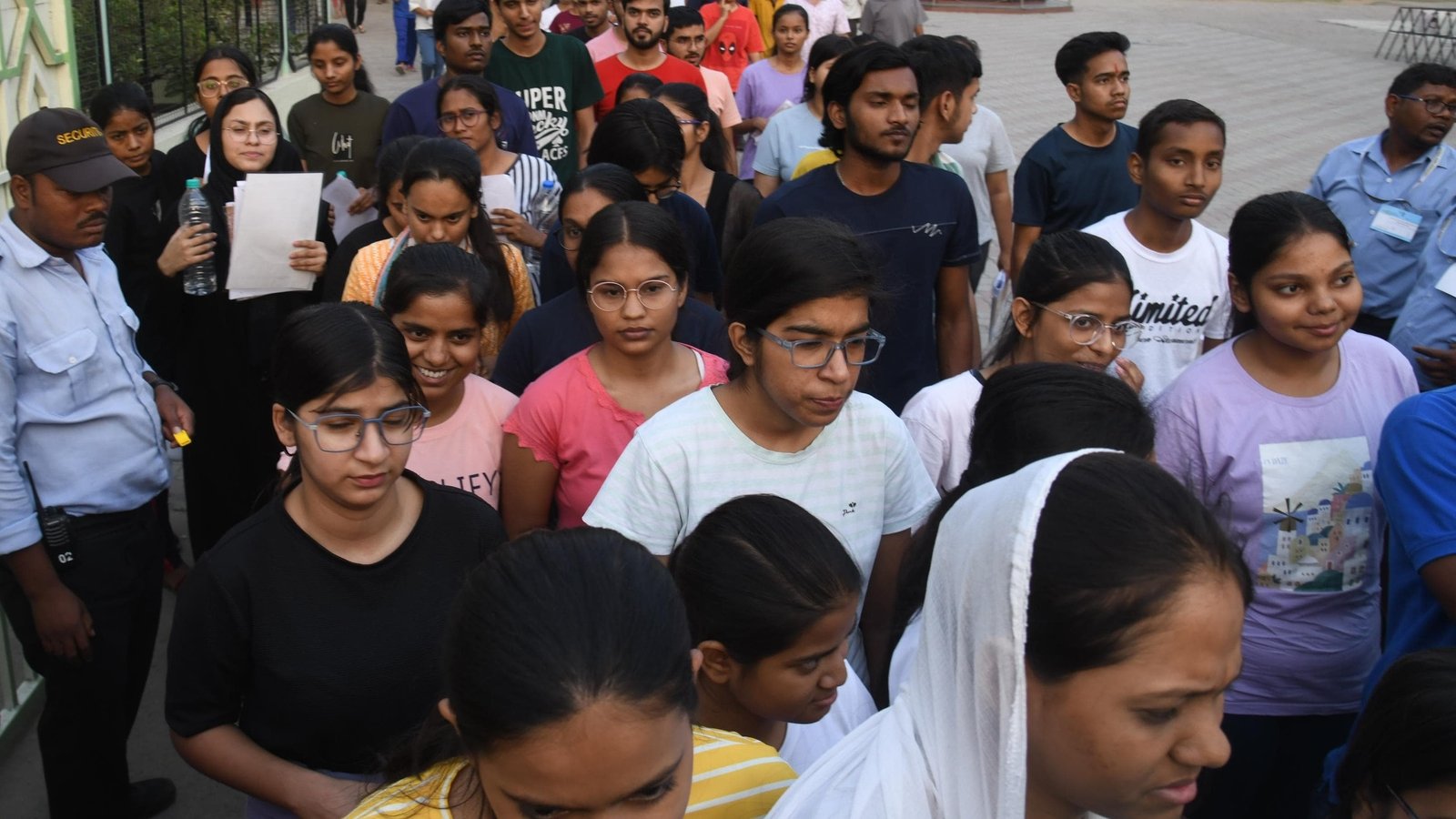
NEET Question The National Eligibility cum Entrance Test (NEET) serves as a pivotal examination in the Indian educational framework, especially for aspiring medical students. Conducted annually by the National Testing Agency (NTA), NEET is the sole entrance examination for undergraduate medical courses in government and private medical colleges across India. The significance of NEET cannot be overstated, as it determines the future of over 15 lakh candidates each year, vying for limited seats in esteemed medical institutions.
NEET not only assesses the understanding of fundamental concepts in Physics, Chemistry, and Biology but also acts as a uniform benchmark against which students are evaluated. This composite approach allows for a transparent admission process that aims to minimize discrepancies in professional medical education access across different states and socio-economic backgrounds. Moreover, NEET results have a direct impact on students’ career trajectories; a high score can lead to admission in top medical colleges, providing students with the opportunity to pursue various fields within medicine and healthcare.
In recent times, the integrity of the NEET examination process has attracted scrutiny, particularly with the emergence of reports indicating possible examination paper leaks and the involvement of investigative agencies such as the Central Bureau of Investigation (CBI). These controversies underscore the pressing need for a clear understanding of the question paper setting process, as any breach in protocol might undermine the credibility of the examination. The focus on transparency and fairness in the NEET process is essential, as it reinforces public trust while ensuring that merit remains the central criterion for medical admissions.
Step 1: Setting the NEET Question Paper
NEET Question The process of setting the National Eligibility cum Entrance Test (NEET) question paper begins with the careful selection of subject experts. These experts, often comprising experienced educators and professionals from recognized institutions, bring a wealth of knowledge and expertise in their respective fields. Their primary role is to ensure that the questions are not only academically rigorous but also aligned with the syllabus outlined by the National Testing Agency (NTA).
The syllabus for NEET is comprehensive, encompassing various topics from subjects such as Physics, Chemistry, and Biology. A thorough analysis of the current educational standards and trends is conducted to identify pertinent topics that should be included in the examination. This is crucial as it ensures that the questions are relevant and reflect the core competencies required for aspiring medical students.
To maintain the integrity of the NEET question paper, several guidelines are adhered to during the formulation process. These guidelines ensure that the questions are standardized across different versions of the exam, offering all candidates a fair chance to demonstrate their knowledge and skills. Furthermore, the difficulty level of the questions is meticulously assessed, taking into account feedback from previous years and the overall performance of candidates. This assessment not only aids in balancing the overall difficulty but also assists in categorizing questions based on their complexity, thus enabling a comprehensive evaluation of students’ understanding.
In summary, the initial step in setting the NEET question paper involves selecting qualified experts, reviewing the syllabus thoroughly, and adhering to strict guidelines to ensure the quality and integrity of the exam. This foundation is crucial for establishing a fair and effective assessment mechanism that prepares candidates for their future medical careers.
Step 2: Printing and Security Measures
NEET Question The printing phase of the NEET question paper is a critical process that mandates stringent security measures to maintain the integrity of the examination. At the outset, the printing facility is designed to be secure, with restricted access to authorized personnel only. Such measures are integral to ensuring that the question paper is protected from potential leaks or unauthorized handling.
To bolster the security protocols, various advanced technologies and methodologies are employed. For instance, the use of digital printing techniques allows for unique identifiers to be printed on each question paper, enabling traceability and further limiting the possibility of duplication. Additionally, the printing is conducted under the supervision of a team that includes exam officials, which adds an extra layer of security to the overall process.
The facilities utilized for printing are equipped with state-of-the-art surveillance systems that ensure continuous monitoring throughout the production process. This includes both video surveillance and access control systems that log entries and exits, thereby enhancing the accountability of personnel involved. All equipment used for printing is regularly maintained and monitored, which minimizes the risk of technical errors that could compromise the safety of the question paper.
Furthermore, special protocols are established to manage the transportation and storage of the printed question papers. After printing, these documents are securely locked in tamper-proof containers and transported directly to designated examination centers under strict supervision. Throughout this process, the confidentiality of the NEET question paper is paramount, ensuring that the integrity of the examination is preserved, allowing candidates to compete fairly based on their knowledge and skills.
Step 3: Movement and Distribution of the Question Papers
The logistics involved in transporting the NEET question papers from the printing facilities to exam centers is a critical component of maintaining the integrity of the examination process. This phase, marked by meticulous planning and execution, ensures that the question papers are handled securely and efficiently to prevent any chance of tampering or leaks.
Initially, the question papers are securely packaged at the printing presses. Each package is meticulously sealed, with tracking numbers assigned to facilitate a reliable chain of custody. This chain is crucial, as it ensures every individual who handles the papers is accountable. The packages are then loaded onto secured vehicles for transportation, which are often escorted by law enforcement personnel to guarantee the utmost security during transit.
During the transportation process, stringent protocols are adhered to. Regular checks are conducted to verify the integrity and authenticity of the packages. This not only includes physical checks but also involves real-time tracking mechanisms that allow for monitoring the movement of the question papers at all times. This close scrutiny serves to bolster the security measures employed throughout the transportation phase.
Upon arrival at the exam centers, there are further security checks in place. The exam supervisor conducts thorough inspections of the sealed packages against the transportation logs to confirm that all materials are intact and correspond to the necessary documentation. This final verification step reduces the potential for any discrepancies and assures that candidates are provided with the correct question sets.
Overall, the movement and distribution of NEET question papers involve a comprehensive set of procedures designed to uphold the integrity of the examination process. Each stage of this meticulous process reinforces the commitment to a fair testing environment for all candidates, ensuring that they can perform to the best of their abilities without concerns of examination malpractices.