


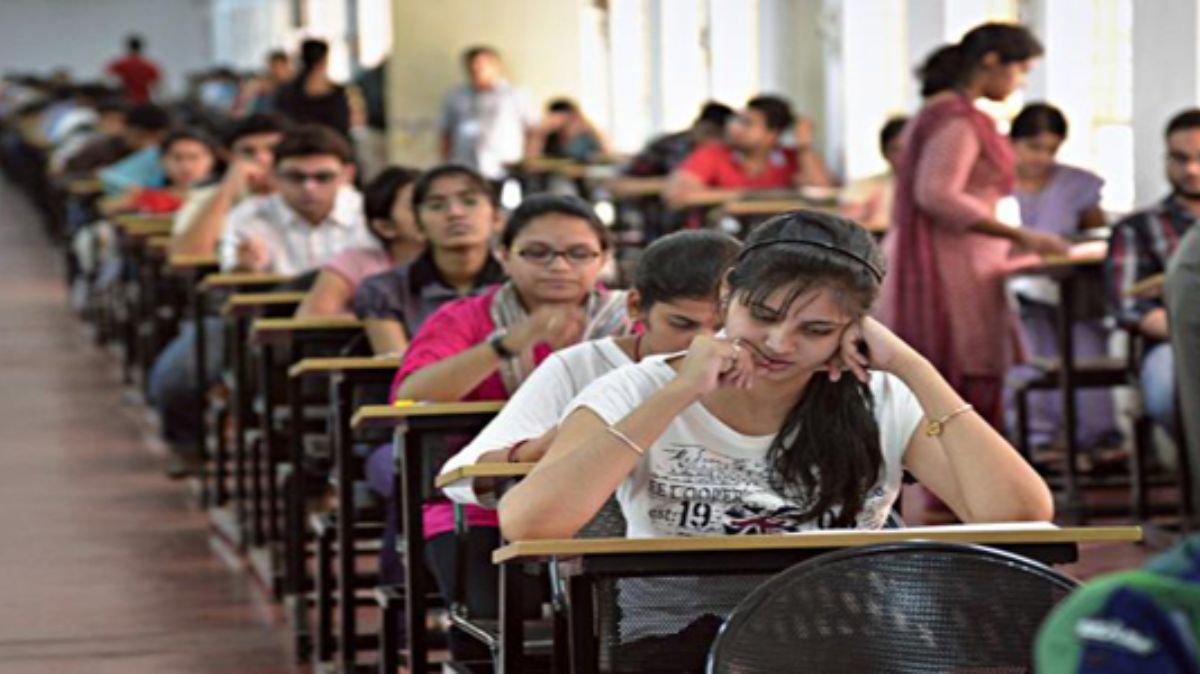

OMR Sheet The National Eligibility cum Entrance Test (NEET) serves as a pivotal examination in India, catering to students aspiring for admissions into medical colleges across the country. Conducted by the National Testing Agency (NTA), NEET plays an essential role in determining candidates’ eligibility for undergraduate medical courses such as MBBS and BDS. The examination not only evaluates the knowledge and preparedness of students seeking a medical career but also standardizes the admission process, aiming to maintain fairness and transparency in student selection.
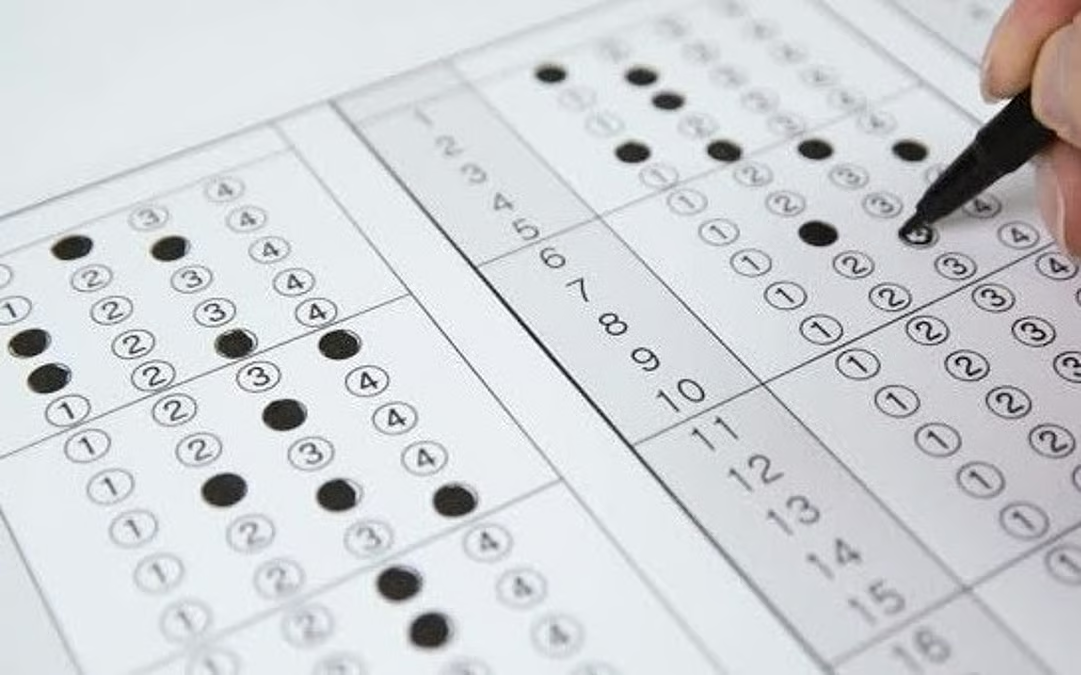
One of the integral components of the NEET examination is the OMR (Optical Mark Recognition) sheet, which is utilized for recording candidates’ responses during the test. The functions as a physicalOMR sheet medium where students mark their answers by filling in bubbles corresponding to the options they choose. This method allows for efficient and accurate data collection, as OMR technology can swiftly scan and evaluate the answer sheets, minimizing human error in the assessment process.
The significance of OMR sheets extends beyond mere response collection; they serve as a vital tool in the evaluation phase of the examination. After the test is conducted, the filled OMR sheets are analyzed using specialized scanners that read the marks, ultimately converting them into a digital format for scoring. This precision in evaluating student responses is paramount, as it directly affects the results and subsequent admissions into medical colleges.
Moreover, OMR sheets ensure a degree of anonymity and fairness in evaluation, which is crucial, given the high stakes associated with NEET. Therefore, any issues related to withheld OMR sheets raise serious concerns about the integrity of the examination process, prompting discussions about fairness and transparency within the system.
The Case of the Withheld OMR Sheet
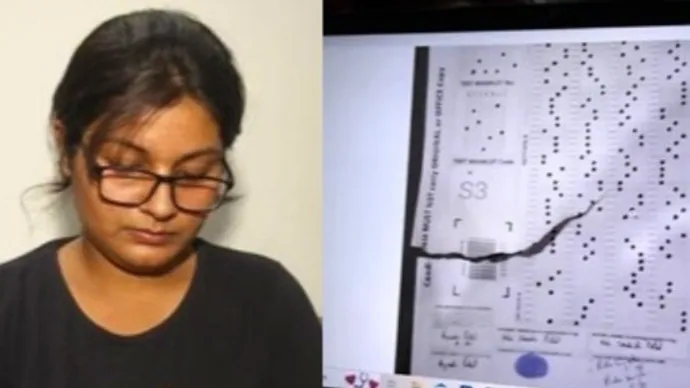
Recently, a NEET student garnered attention by sending a formal notice regarding the withholding of their OMR sheet. This incident highlights a significant concern regarding transparency and fairness in examination processes, particularly in high-stakes assessments such as the National Eligibility cum Entrance Test (NEET). The examination authority, tasked with ensuring the integrity of the examination, withheld the OMR sheet on the grounds of suspected irregularities. While the exact nature of these irregularities was not explicitly stated, it raised immediate questions regarding the criteria utilized in such decisions.
The implications of withholding the OMR sheet extend beyond mere administrative action. For the student involved, this decision can have profound consequences, especially considering that NEET scores play a crucial role in determining admission into medical colleges across India. The uncertainty surrounding this situation could hinder the student’s prospects for entering a medical program, further complicating their academic future.
This incident underscores the broader issues experienced by many candidates in similar circumstances. When examination authorities act to withhold OMR sheets or results without clear and justified reasons, it jeopardizes the fairness of the examination process. Students may find themselves in a state of limbo, unable to proceed with their applications or consider alternative academic pathways due to lack of finalized results.
In this particular case, the student’s proactive approach in sending a notice exemplifies the need for accountability from examination bodies. It reflects a growing awareness among students about their rights concerning examination fairness. As stakeholders in the education system, it is pivotal that both students and educational institutions advocate for transparency in order to uphold the integrity of the examination system.
Legal and Ethical Considerations
The legal framework surrounding examination processes in India, particularly with respect to OMR (Optical Mark Recognition) sheets, underscores the imperative for transparency and accountability. Under the Right to Information Act, students have the right to access information pertaining to their examinations, including their graded OMR sheets. This provision is crucial for ensuring fairness in assessments and supports the argument that students can question the withholding of their evaluation materials.
The central issue at hand involves the ethical implications of witholding OMR sheets from students. By not providing access to such critical documents, examination authorities may inadvertently foster an environment of distrust and apprehension among students. This is particularly pertinent in the context of NEET (National Eligibility cum Entrance Test), where the stakes are inevitably high for aspirants seeking admission to medical schools. Ethical principles in education advocate for fair assessment and the right to appeal or review results, which directly correlate with students’ access to their evaluation materials.
Furthermore, several court rulings in India have established precedents that emphasize the necessity for examination boards to uphold ethical standards. For instance, the Supreme Court has repeatedly stressed that the right to education includes the right to fair assessments, implying that withholding examination materials such as OMR sheets could be legally and morally indefensible. Such actions can be perceived as detrimental to the principle of equality in education, particularly when the results of these assessments can have far-reaching implications on a student’s future.
Students’ rights extend beyond mere access to their OMR sheets; they encompass the broader tenets of fairness and justice in educational evaluations. The situation exemplifies the pressing need for systemic change and reform in examination practices to uphold these standards, ensuring that all candidates are treated equitably in their pursuit of educational opportunities.
Response from Authorities and Student Community
The NEET examination authorities have issued a statement acknowledging the student’s concerns over the withholding of their OMR sheet. In their response, the organizers emphasized their commitment to ensuring a fair examination process for all candidates. They reassured the public that such incidents are taken seriously and outlined the protocols in place for resolving discrepancies related to examination results. Additionally, the authorities indicated that they are reviewing their policies to enhance transparency and to address any potential grievances raised by candidates.
This situation has also sparked significant dialogue among the wider student community, with many expressing solidarity with the student affected by the withheld OMR sheet. Numerous students took to social media platforms to voice their concerns about the fairness of examination practices, highlighting that similar issues could arise in the future if not properly addressed. The sentiment among the student community suggests a growing anxiety regarding examination integrity and the importance of accountability from testing organizations.
Furthermore, student groups have begun advocating for clearer guidelines on examination policies, emphasizing the need for enhanced communication between examination authorities and the student body. They are calling for reforms that would guarantee timely access to test materials and prompt resolutions to any disputes. This incident has underscored the necessity for students to have a platform to present their grievances and to ensure that their rights are recognized and protected.
In light of these events, it is clear that this situation may lead to broader discussions about examination fairness and student rights, potentially influencing future policies that govern standardized tests. The NEET organizers, facing pressure from both the students and educational stakeholders, may choose to undertake significant reforms that could reshape the landscape of how examinations are conducted and managed in India.