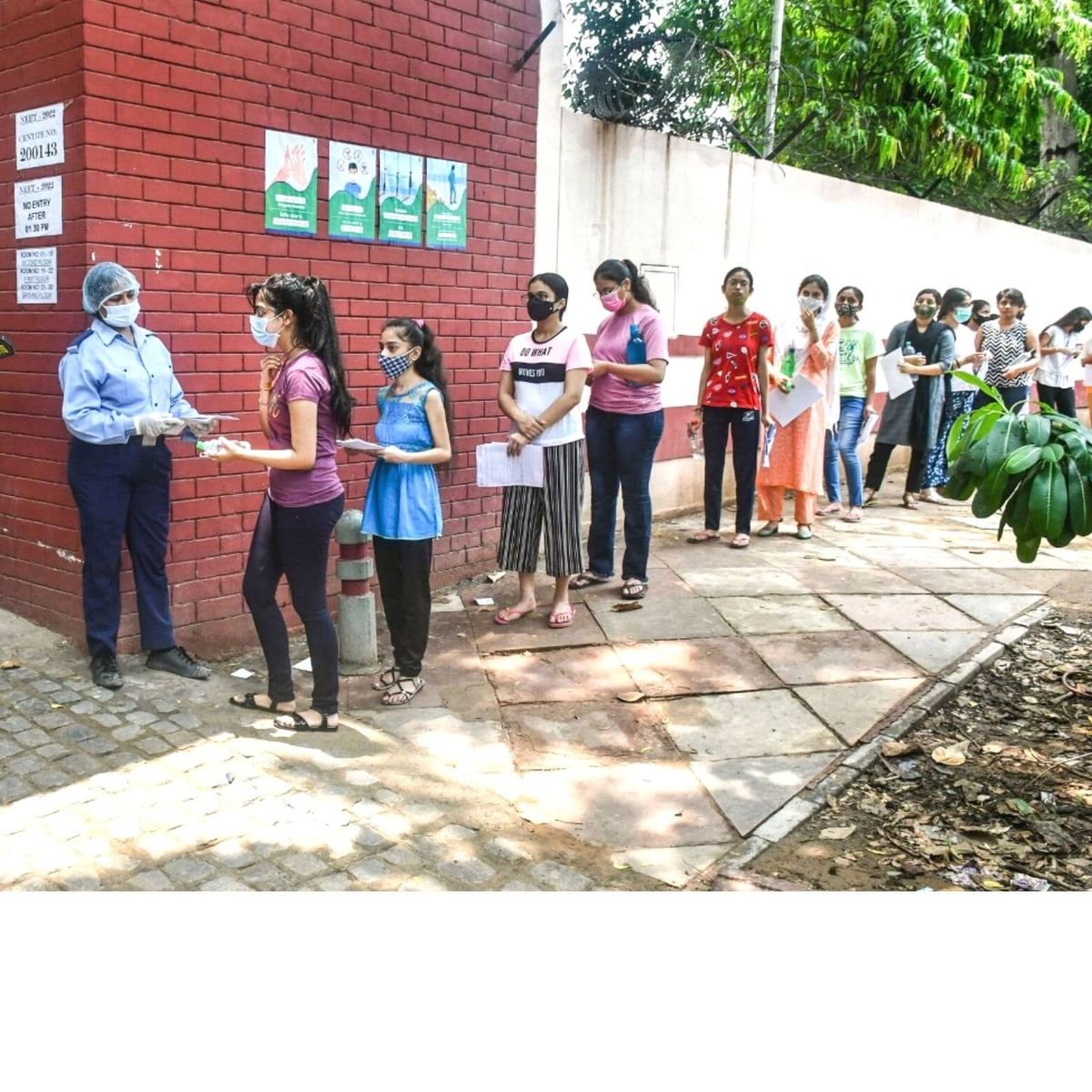




The issue of vacant medical seats in India has become a pressing concern within the educational and healthcare landscapes. Each year, a significant number of medical seats remain unfilled, presenting an alarming trend that can diminish the overall quality of healthcare services and the training of aspiring medical professionals. Addressing this challenge is essential for ensuring that the nation’s educational resources are fully optimized and that the burgeoning demand for healthcare professionals is met.
Historically, various factors contribute to the persistence of unoccupied medical seats. Admission processes can be complex and lengthy, often resulting in mismatches between candidates’ aspirations and available seats. Additionally, the high costs associated with medical education deter many prospective students from opting for government seats, thereby leaving them vacant. Furthermore, the ongoing global pandemic has shifted priorities for many, leading to decreased interest in medical programs and complications in the selection process.
The implications of these vacant seats extend beyond mere numbers; they represent missed opportunities for countless aspiring medical students. Each vacant seat signifies a potential healthcare professional that could contribute to the sector and help alleviate the shortage of qualified practitioners. This shortage is particularly acute in rural areas, where access to care and the presence of medical staff are often insufficient. Filling these vacancies is crucial not only to maintain the growth of the healthcare workforce but also to ensure equitable access to quality medical care across diverse communities.
Therefore, implementing effective strategies such as special counselling and seat conversion for Non-Resident Indians (NRIs) is vital. These mechanisms can aid in reducing the number of vacant seats and allow aspiring medical students to gain the necessary qualifications. In order to create a robust healthcare system, it is imperative to address the challenge of filling vacant medical seats efficiently, ensuring a sustainable and well-trained pool of healthcare professionals for the future.
Special Counselling for Vacant Medical Seats: A Solution?
In recent years, the need for effective mechanisms to address the issue of vacant medical seats has led to the implementation of special counselling processes. This framework provides an alternative approach to the conventional counselling model, primarily aimed at filling the unoccupied seats in medical colleges across the country. The process is orchestrated by the Medical Counselling Committee (MCC), which plays a pivotal role in managing and overseeing the special counselling sessions.
The criteria for participation in special counselling generally necessitate that candidates have registered for the main counselling rounds but were unable to secure admission. The special counselling session usually follows a clear set of procedures, including registration, choice filling, and seat allotment. Unlike general counselling, which typically adheres to a strict schedule based on merit and rankings, special counselling offers more flexibility, often catering to candidates from various categories, including those who may have improved their performance in subsequent examinations.
Historically, the outcomes of past special counselling sessions reveal a mixed record of success. They have successfully filled a portion of the vacancies; however, many seats remain unfilled, posing challenges for medical institutions seeking to maintain optimal student numbers for academic viability. This underscores the need for efficient strategies to enhance student participation in the special counselling process.
One of the key benefits of special counselling is that it allows institutions to mitigate financial losses caused by unoccupied seats. For students, it provides a second chance to gain admission into medical programs. However, challenges persist, including the potential for a lack of awareness about the process, which can limit student engagement, as well as variances in the quality of educational outcomes. Therefore, a thorough analysis of the special counselling framework is essential for its continued improvement and effectiveness.
NRI Vacant Medical Seats: Conversion to General Seats
In a landmark ruling, the Supreme Court of India recently authorized the conversion of Non-Resident Indian (NRI) medical seats to general seats. This decision emerged from a legal context seeking equity in medical admissions across the nation, particularly addressing local students’ access to higher education opportunities. The ruling is perceived as a pivotal shift in the admission landscape, as it recognizes the necessity for a more inclusive approach to educational resources.
The rationale behind this conversion lies in the ongoing challenge of unfilled NRI seats in medical colleges, which, in previous years, often remained vacant. This situation not only contributes to a waste of valuable educational resources but also restricts opportunities for local students seeking admission into medical programs. By converting these unoccupied NRI seats into general seats, initiatives are being implemented to enable more candidates to pursue a career in medicine, thereby addressing the demand for healthcare professionals in India.
While there are notable benefits to this ruling, such as increased availability of seats for local candidates and promoting the equitable distribution of educational opportunities, challenges remain. One main concern is the need for adequate awareness and implementation of this policy among medical colleges, ensuring that the seat conversion process is transparent and efficient. Furthermore, the overall admission policies must adapt to accommodate this new framework, aligning it with broader educational reforms aiming for quality and accessibility in medical education.
This decision fits within a larger context of evaluating India’s educational policies, which aim to strike a balance between diverse stakeholders, including NRI students and local aspirants. Ensuring that medical admissions are fair and widely accessible is essential for building a robust healthcare system that can serve the needs of its population effectively.
The Future of Medical Admissions: Implications of Seat Conversions and Counselling
The landscape of medical admissions in India is undergoing significant changes as a result of new policies aimed at filling vacant seats through special counselling and converting NRI seats. These transformations are not just procedural adjustments; they carry far-reaching implications for prospective students, educational institutions, and the overarching healthcare system. The adoption of special counselling processes ensures that more seats are filled, promoting optimal utilization of resources allocated to medical education. This can help decrease the gap between the demand for medical professionals and the available workforce, providing a broader array of opportunities for aspiring doctors.
Moreover, the conversion of NRI seats has the potential to make medical education more accessible to a wider pool of candidates. This policy could facilitate the influx of international students, thereby enhancing cultural diversity and promoting global perspectives within Indian medical institutions. However, these changes necessitate a careful evaluation to ensure that they do not disproportionately benefit affluent students while marginalizing local candidates. Equitable access to medical education must remain a priority as these new systems are implemented.
For educational institutions, the implications are twofold. On one hand, they may experience an increase in revenue from higher student intake. On the other hand, institutions must also adapt their recruitment processes and curriculum to accommodate diverse student needs and backgrounds. Ensuring academic standards are upheld while diversifying the student body will be critical in maintaining the quality of medical education.
Healthcare providers will also feel the effects of these changes as the increase in trained medical professionals may address deficiencies in specific areas of the health system. Stakeholders—including educational authorities, government agencies, and healthcare organizations—are strongly encouraged to adapt to these evolving dynamics. By fostering collaboration and maintaining an adaptive framework, the medical education system in India stands to become more equitable and efficient, poised to meet the healthcare demands of the future.