





Judge The National Eligibility cum Entrance Test – Undergraduate (NEET-UG) serves as a pivotal examination for students aspiring to gain admission into medical colleges across India. As a standardized assessment, it evaluates the knowledge and understanding of candidates in subjects such as Physics, Chemistry, and Biology. With a significant number of applicants each year, this exam is not only a test of academic proficiency but also a crucial step toward fulfilling the dreams of aspiring medical professionals. Therefore, any disruption in the integrity of this examination poses serious ramifications.
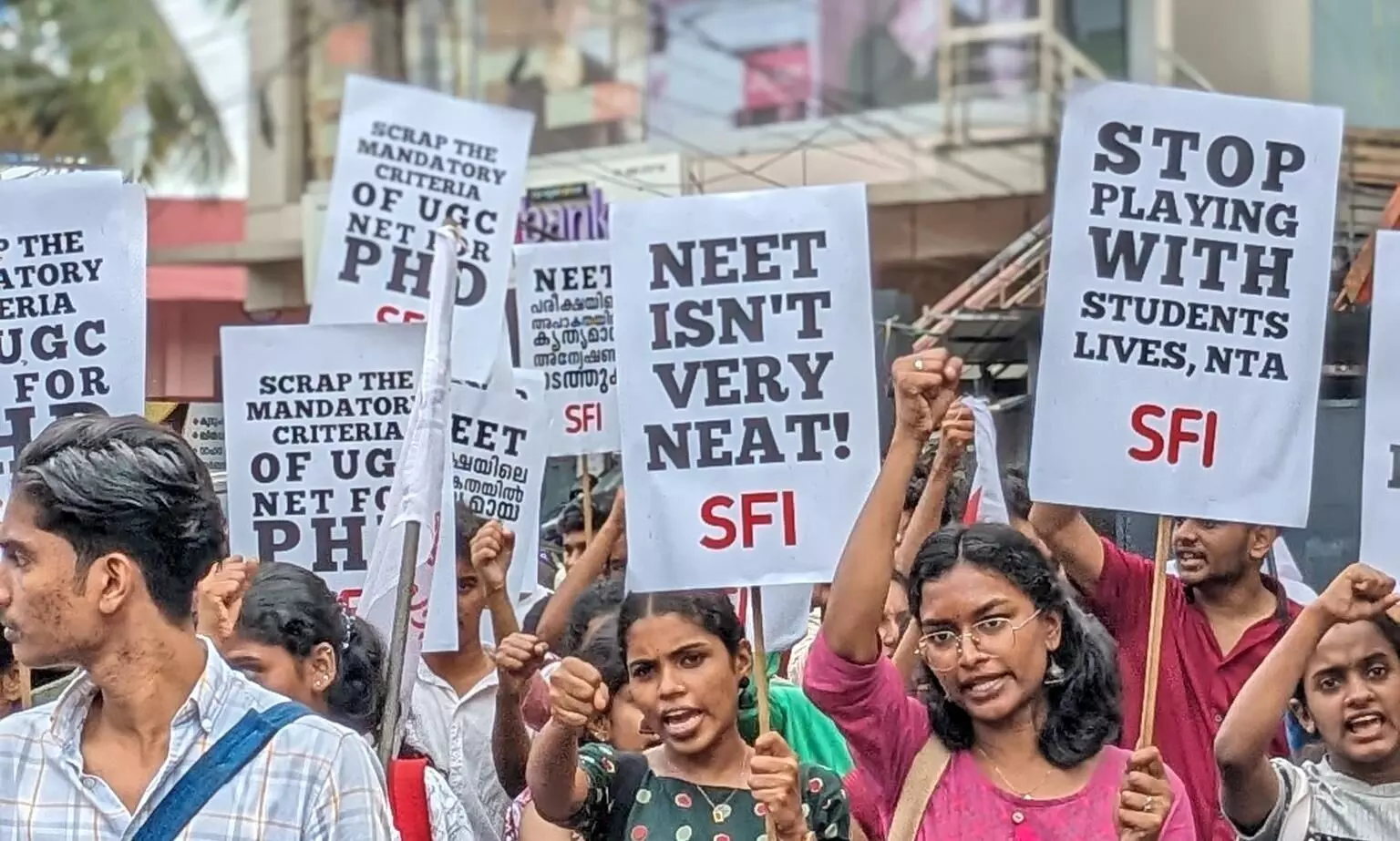
In recent times, reports emerged regarding a paper leak scandal that shook the foundation of the NEET-UG examination process. Investigations revealed that certain individuals had illicit access to the examination papers prior to the official test date, leading to widespread controversy and the questioning of the examination’s credibility. This breach of security raised alarming concerns among students, parents, and educational institutions regarding the fairness and transparency of the selection process.
The implications of the NEET-UG paper leak were dire, affecting not only the legitimacy of the examination but also the emotional and academic wellbeing of thousands of students who worked diligently for this opportunity. The stakes were incredibly high, as the NEET-UG scores play a crucial role in deciding the future of aspiring medical students, shaping their educational trajectories and career paths. With the outcry from affected students and the educational community growing louder, it became urgent for the authorities to address this issue promptly and implement measures that would restore faith in the examination system.
The Delhi High Court has recently undertaken significant measures regarding the adjudication of the NEET-UG paper leak cases by transferring the special judge who was initially assigned to these matters. This decision stems from the court’s desire to maintain the integrity of the judicial process and ensure that the proceedings surrounding such a high-profile case are conducted with utmost fairness and impartiality.
A pivotal reason behind the transfer decision was the necessity for a fresh perspective on the legal issues at hand. The High Court has previously emphasized the importance of addressing the concerns of the stakeholders involved, which in this context, includes the students who participated in the NEET-UG examination and the broader educational community. The paper leak incidents raised doubts about the sanctity of the examination process, and as such, the court aims to instill confidence in the judicial proceedings.
The previous decisions made by the judiciary in relation to these cases underline its commitment to combating educational fraud and upholding the rule of law. Past judgments have illustrated the court’s emphasis on transparent and efficient workings in cases involving significant public interest. By transferring the special judge, the High Court is signaling its proactive stance in mitigating any potential biases and ensuring that the trial is conducted under the watchful eye of a judge who brings a renewed focus and understanding of the complexities involved.
This transfer is not only a strategic move to enhance the credibility of the trial itself but also resonates with the judiciary’s substantial obligation to uphold justice and fairness. As the proceedings progress, this change might lead to a re-evaluation of strategies employed in the cases and possibly expedite the legal journey for all parties involved. The judiciary’s role in steering these proceedings remains critical as it navigates through the multifaceted challenges presented by such a case.
Implications of the Transfer on the Ongoing Investigations
The recent transfer of the special judge overseeing the NEET-UG paper leak cases raises pertinent questions about its potential impact on the ongoing judicial process. For stakeholders, including students, parents, and educators, this transfer evokes concerns regarding the speed and fairness of the investigations. A special judge has specific expertise and familiarity with complex cases like paper leaks, and a transfer could disrupt the established rhythm of the hearings.
Stakeholders, particularly those directly affected by the NEET-UG examination irregularities, may fear that changing judges could introduce delays in the proceedings. The continuity provided by a familiar judicial figure is often seen as crucial for expediting investigations and decisions. A new judge, however, may require time to acclimate to the extensive details and nuances of the case, potentially extending the timeline before critical hearings can recommence.
Moreover, the perception of fairness during judicial hearings is paramount. A change in leadership could lead to concerns about the impartiality of the new judge, especially in high-stakes cases involving allegations of corruption within the educational system. There is a legitimate apprehension that the new judge might either align too closely or too distantly with the previous approach, which could influence not just the proceedings but also the overall outcomes.
It is also essential to consider the legal framework within which the new judge will operate. The judicial discretion exercised by a special judge in handling sensitive investigations can greatly vary. Therefore, the choice of the new judge will be instrumental in determining how the cases will progress and how much reliance can be placed on the integrity of the outcomes.
Reactions from the Public and Media
The decision by the Delhi High Court to transfer the special judge overseeing the NEET-UG paper leak cases has elicited a wide range of reactions from the public and media. Many citizens expressed their concerns over the integrity of the examination process, which is crucial for aspiring medical students. On social media platforms, discussions surrounding the court’s ruling reflect a mixture of skepticism and hope. Some users commended the move, arguing that the change might lead to a more thorough investigation into the alleged malpractices surrounding the NEET-UG exams, ensuring that such incidents do not tarnish the credibility of the educational system.
Conversely, others voiced apprehensions that the transfer could lead to delays in the prosecution of those involved in the paper leak. Legal experts have been vocal in their assessments, indicating that the transfer could be viewed as an opportunity for a fresh perspective on the case, potentially enhancing the judicial process. They highlighted the necessity of maintaining public confidence in the trial outcomes, especially in cases that directly impact the futures of students. The conversation has also extended into the domain of educational authorities, who emphasized the importance of upholding the integrity of competitive examinations.
The media coverage of the case has served to amplify these sentiments, with several outlets highlighting both the potential benefits and drawbacks of the court’s decision. Articles and opinion pieces have analyzed the broader implications for the justice system, suggesting that how the judiciary handles high-profile cases can influence public trust in both legal and educational frameworks. Ultimately, the varying perspectives point to a significant public interest in the matter, reflecting a collective desire for transparency and fairness in handling such critical issues affecting students’ lives.