



NEET The National Eligibility cum Entrance Test (NEET) is a crucial examination conducted annually for aspiring medical students in India. It serves as a gateway to various undergraduate medical programs, allowing candidates to gain admission to prestigious medical colleges across the country. Established by the Ministry of Health and Family Welfare, NEET has been the single entrance test for medical aspirants since its inception, thereby standardizing the admissions process in a vital sector of education.
The exam is administered by the National Testing Agency (NTA), which is responsible for ensuring an efficient and fair evaluation process. NTA plays a pivotal role in organizing the examination schedule, ensuring test security, and maintaining transparency throughout the assessment. With NEET being the primary criterion for admission to government and private medical colleges, the stakes are incredibly high for candidates. Successful applicants have the opportunity to pursue their dream of becoming healthcare professionals, which is essential for addressing the growing healthcare needs of the nation.
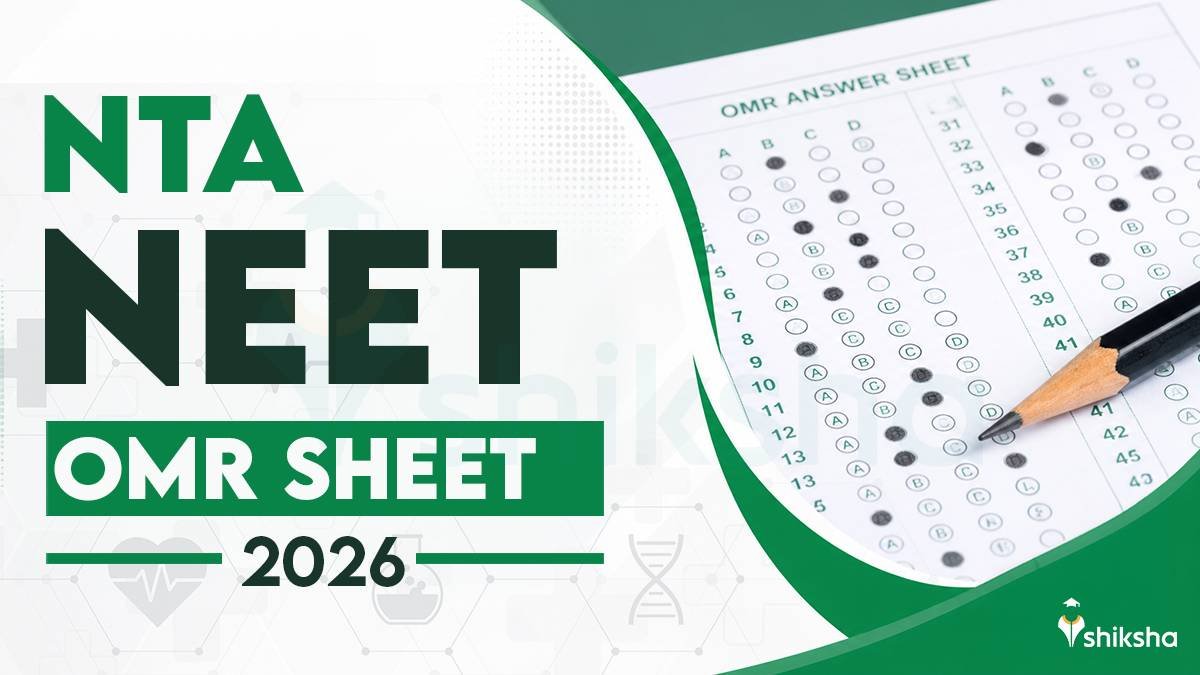
In recent developments regarding NEET 2026, the NTA has uploaded the OMR sheets, allowing candidates to verify their responses. Furthermore, the opening of the response challenge window until July 15 serves to address any discrepancies that students may have identified in their sheets. This action underscores the commitment of NTA to ensure fairness and accuracy in the examination process. As NEET 2026 approaches, candidates are encouraged to stay informed about updates and guidelines to maximize their chances of success. Overall, NEET serves as a critical benchmark in the educational journey of aspiring medical students, significantly impacting their future careers.
Overview of OMR Sheets and Their Function
Optical Mark Recognition (OMR) sheets play a pivotal role in the assessment processes of competitive examinations like the National Eligibility cum Entrance Test (NEET). These specially designed sheets are used to capture candidate responses, enabling a systematic and efficient evaluation of answers. Each OMR sheet is printed with a unique pattern, which facilitates the accurate detection of filled responses by specialized scanners. The underlying technology relies on light reflection, wherein marked bubbles on the sheet allow the scanner to determine which options have been selected by the candidates.
The significance of OMR sheets transcends mere data collection; they serve as a crucial interface between the candidate and the evaluation system. The accuracy of OMR sheets is paramount, as any errors in marking or scanning can lead to significant discrepancies in final scores, potentially affecting a student’s career trajectory. Moreover, the process of OMR evaluation is automated, ensuring quick turnaround times for results, which is particularly important in a high-stakes environment such as NEET.
After the examination, the National Testing Agency (NTA) uploads these OMR sheets for public access, allowing candidates to review their responses. This transparency is vital for ensuring trust in the examination process. Candidates can engage in a response challenge window, during which they may contest any anomalies they perceive regarding their evaluation. The ability to challenge responses not only empowers students but also underscores the importance of precision in the processing of OMR sheets. Ultimately, the proper handling and evaluation of these sheets are essential for fair and accurate assessment in NEET, shaping the futures of aspirants seeking admission into medical colleges across India.
Details on the Response Challenge Window
The National Testing Agency (NTA) has recently initiated the response challenge window for the NEET 2026 examination, extending until July 15. This critical opportunity allows candidates to review their OMR sheets and raise objections concerning the answers they believe were evaluated incorrectly. The response challenge is an integral part of the examination process, ensuring a transparent and fair evaluation method for all participants.
To take part in the response challenge, students need to visit the official NTA NEET website. After logging into their accounts using their credentials, they can access their OMR sheets. It is essential for students to carefully review the marked responses and compare them with the official answer key provided by NTA. Upon identifying discrepancies, candidates can select specific questions and submit their objections accordingly. The submission of challenges is expected to be backed by valid reasoning or evidence, which strengthens their request for reevaluation.
This response challenge window serves a crucial function in upholding the integrity of the NEET examination. By allowing students to voice legitimate concerns, NTA can rectify any potential errors in grading. Moreover, addressing these challenges not only helps ensure that students are assessed fairly but may also lead to necessary adjustments in the overall results. For students who successfully substantiate their challenges, a favorable outcome could result in altered scores, positively impacting their admission prospects in medical programs.
Participating in this response challenge window is a vital avenue for students seeking justice in their examination results. It reflects the NTA’s commitment to transparency and accountability in the evaluation process, ultimately aiming to foster trust in the NEET assessment system.
Key Dates and What Students Need to Know
As the National Testing Agency (NTA) has uploaded the OMR sheets and is now offering a response challenge window until July 15, 2026, it becomes crucial for students to stay fully informed about the important dates and procedures related to NEET 2026. The timeline for the response challenge is particularly significant. Students should be aware that the response challenge period is a vital opportunity to address any discrepancies they might perceive in their OMR sheets, thereby ensuring the integrity of their answers before the final results are declared.
Initially, students must note that the OMR sheets were made available for review immediately following the examinations, offering candidates a chance to check their responses. The designated window for submitting challenges closes on July 15, 2026, meaning that students must act promptly and ensure their concerns are submitted within this timeline. These challenges are subject to specific guidelines, which the NTA details on their official website. Therefore, timely access to these resources is essential for successful navigation through the response challenge process.
To effectively prepare for challenges, students should carefully read the instructions and FAQs provided by the NTA. Organizing materials, such as one’s answer sheets and question papers, can facilitate clarity during the challenge process. Moreover, keeping track of dates is imperative; students should set reminders for submission deadlines to avoid missing the opportunity to raise their challenges. Additionally, developing a clear understanding of the challenges that are considered valid as per the NTA’s rules will foster a more efficient response process. By engaging actively and promptly in this phase, students enhance their chances for resolution and ensure their performance is accurately reflected in their final scores.