
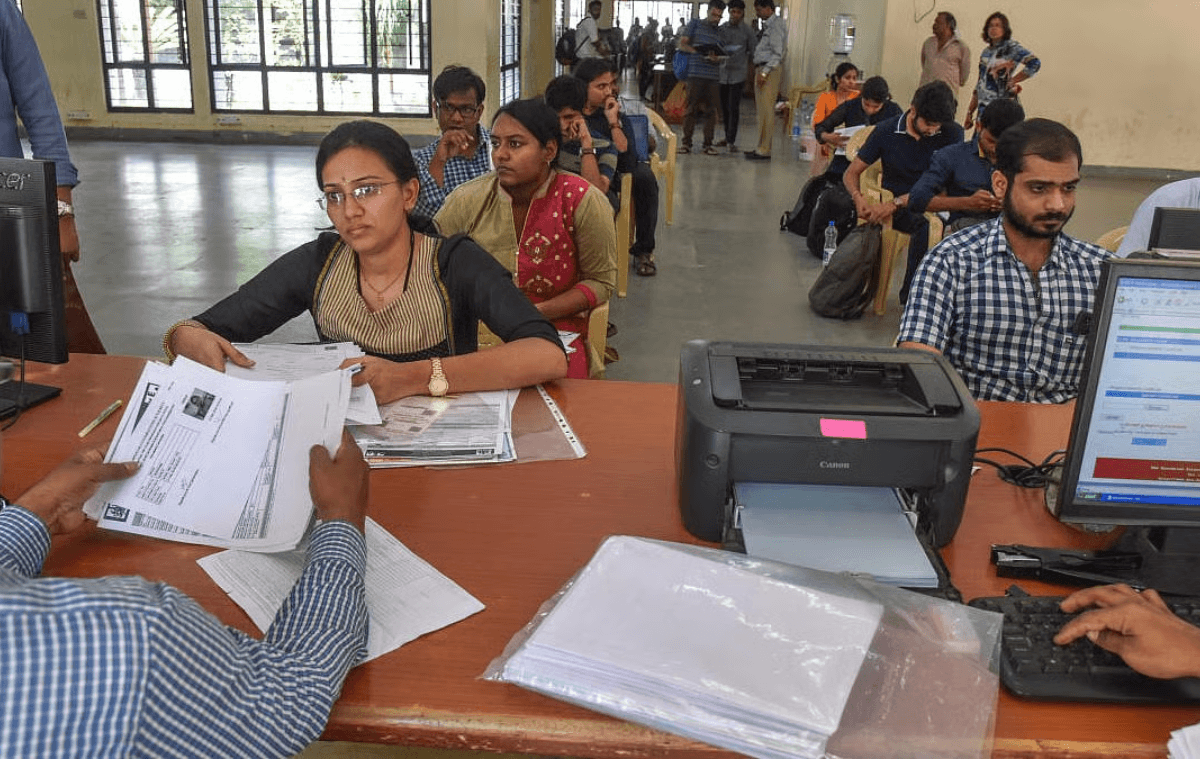
The NEET UG Counselling process for 2026 is a crucial phase for aspiring medical students seeking admission to various medical colleges across India. This procedure is governed by the Medical Counselling Committee (MCC) as well as various state authorities, ensuring a structured approach for seat allocation based on the scores achieved in the National Eligibility cum Entrance Test (NEET).
One of the first milestones in the NEET UG Counselling 2026 is the announcement of the examination results, which typically occurs in the month of June. Following the declaration of results, candidates must begin preparing for the counselling process, which consists of several essential dates and key activities that they must adhere to. It is vital for candidates to stay updated on the official notifications from the MCC and respective state counselling authorities.
After the results are released, the counselling process usually starts with the registration phase. During this stage, candidates are required to log into the official counselling portal and complete their registration by providing the necessary details. This includes their NEET score, personal information, and preferences for medical colleges. Subsequently, a fee must be paid, which varies depending on the category of the candidate.
Following registration, candidates will be required to participate in the choice filling and locking process, where they will select the colleges and courses they wish to pursue. After the choice locking period, the authorities will conduct the seat allocation process based on merit and the preferences indicated by the candidates. It is important to note that seat allocation may take several rounds, and candidates may need to be prepared for further counselling rounds depending on seat availability.
Throughout this process, candidates must carefully check the official counselling schedules and stay attentive to updates regarding the various rounds of counselling, reporting procedures, and deadlines for confirming their admissions. Adherence to these timelines and procedures is essential to securing a seat in a medical college of choice in the NEET UG Counselling 2026.
Revised PWBD Guidelines Explained
The National Eligibility Entrance Test (NEET) UG Counselling 2026 has introduced revised guidelines aimed at Persons With Benchmark Disabilities (PWBD). These changes seek to enhance accessibility and streamline the counselling process for individuals with disabilities. Understanding these guidelines is vital for applicants who fall within this category, as it influences their eligibility criteria and the documentation required.
The revised guidelines for PWBD provide a clear framework designed to ensure that candidates are effectively accommodated throughout the counselling process. Eligible applicants must possess a disability certificate issued by a recognized medical authority, confirming their disability status as per the relevant Acts. This documentation is crucial in determining eligibility during both the registration and the actual counselling phase, where candidates may be allotted seats based on their NEET UG scores and disability category.
Furthermore, the new guidelines detail the specific types of disabilities that are considered benchmark disabilities, which include conditions such as blindness, hearing impairment, locomotor disabilities, and others recognized under the Rights of Persons with Disabilities Act. Each applicant must be aware of the particular category they belong to, as this can significantly affect their rank and availability of seats during the counselling process.
In addition to eligibility criteria, the revised PWBD guidelines emphasize the need for applicants to provide requisite supporting documents to facilitate a smooth counselling experience. This includes not only the disability certificate but also any other required evidence that substantiates their claims. As the NEET UG counselling progresses, the emphasis on transparent documentation will ensure fairness and equity, allowing deserving candidates to benefit from available reservations for PWBD.
Overall, these revised guidelines represent a significant step towards inclusive education in the medical field, allowing for equal opportunities among all candidates, regardless of their physical challenges. By adhering to these directives, applicants can help promote a more equitable representation of individuals with benchmark disabilities in the medical profession.
Impact of PWBD Guidelines on Candidates
The revised PWBD (Persons with Benchmark Disabilities) guidelines introduced for the NEET UG counselling in 2026 have significant implications for candidates with disabilities. One of the essential aspects of these guidelines is their focus on enhancing accessibility measures across examination and counselling processes. The aim is to create an equitable environment that facilitates the participation of candidates with various disabilities in medical education.
Accessibility has been a long-standing concern, and the new guidelines address this by mandating necessary accommodations at examination centers and during counselling sessions. Facilities such as wheelchair access, adapted seating arrangements, and provisions for extra time have been prioritized to ensure that candidates with disabilities can perform their best without facing logistical barriers. These adjustments aim to level the playing field, allowing candidates to engage in a fair selection process.
Moreover, the revised guidelines also emphasize the importance of support systems for candidates during the NEET UG counselling. Institutions are encouraged to provide training for staff on addressing specific needs and promoting inclusivity. This training is crucial for ensuring that all candidates receive the necessary assistance and information regarding their rights and available facilities. Awareness programs are expected to be implemented to educate stakeholders about the challenges faced by candidates with disabilities.
Additionally, any changes regarding quotas or reservations for candidates with disabilities are aimed at enhancing their representation in medical education. Institutions are urged to closely follow the recommendations set forth in the PWBD guidelines to ensure that deserving candidates are not overlooked due to systemic barriers. In this context, it is vital for the medical education framework to adapt and uphold the principles of justice and fairness, enabling candidates with disabilities to pursue careers in the medical field successfully.
Current Schedule and What Remains Unchanged
The National Eligibility cum Entrance Test (NEET UG) is a pivotal examination for medical aspirants in India, and understanding the counselling schedule is crucial for candidates. As of now, the NEET UG counselling 2026 maintains the previously established timelines. This consistency offers reassurance to students amid any revisions made in the guidelines concerning Persons with Benchmark Disabilities (PWBD).
The counselling process is structured into several distinct phases, starting with the registration phase. Candidates are required to register online, providing necessary details for verification. This initial step is vital as it catalyzes all subsequent actions within the counselling process. Following registration, eligible candidates must submit their preferences for colleges and courses in the option filling phase.
Once the option filling concludes, the next step involves the seat allotment process. Seats are allocated based on merit, choice preferences, and the availability of seats in the chosen institutions. It is noteworthy that while the guidelines have been revised for PWBD candidates, the overall counselling framework has not altered significantly, thus ensuring transparency and continuity in procedures.
Subsequently, after the seat allotment results are announced, candidates will have a specific period to confirm their allotted seats. This step is particularly crucial as candidates must verify and accept their seats to secure their admission into medical colleges. The final stage is the document verification process, where students must submit the required paperwork to finalize their admission.
Overall, the clarity in the NEET UG counselling schedule and processes reinforces confidence among candidates. Despite any modifications in specific guidelines, the fundamental structure remains intact, allowing students to navigate the counselling phases efficiently and effectively.