


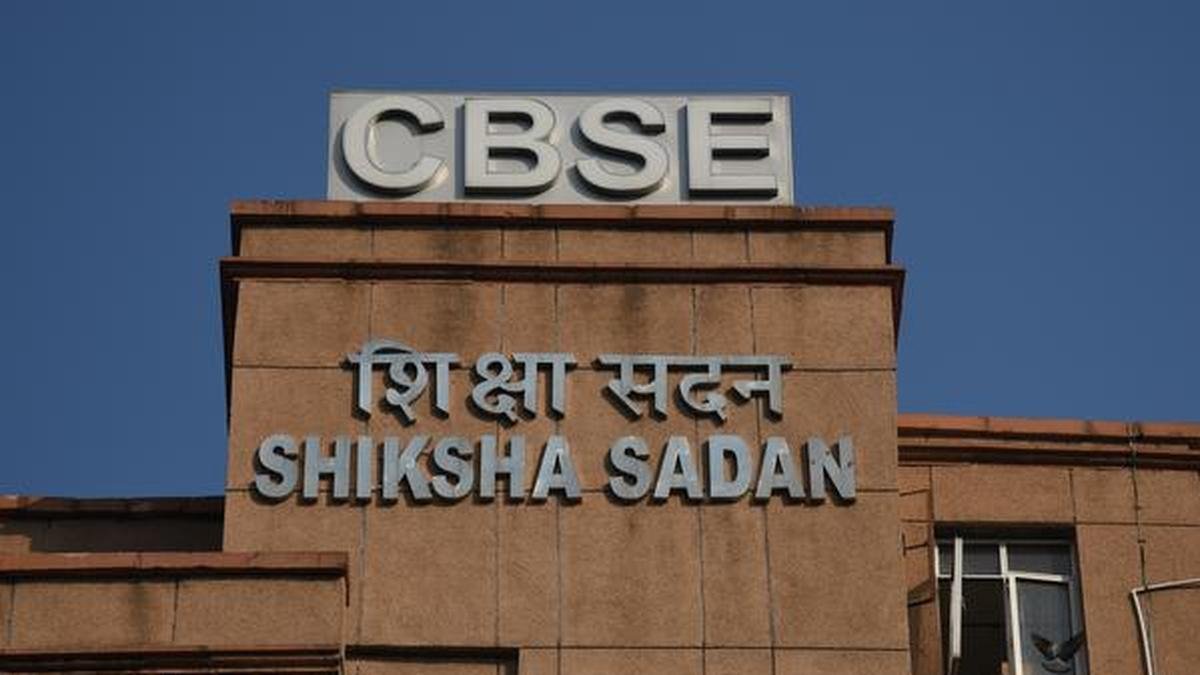
CBSE The Central Board of Secondary Education (CBSE) plays a pivotal role in shaping India’s education system, particularly in the realm of secondary education. Established in 1962, CBSE oversees the administration of examinations for classes X and XII across the country. It is responsible for setting the curriculum, organizing assessments, and ensuring standardized quality education. The Class XII examinations, held annually, are critical for students seeking to pursue higher education.
In recent years, the examination process has incorporated modern technologies, one of which is the On-Screen Marking (OSM) system. OSM allows examiners to assess answer sheets digitally as opposed to traditional pen-and-paper methods. This shift aims to improve the accuracy and efficiency of the grading process. However, the implementation of this system has not been without its challenges, leading to widespread concerns among students and educators alike.
Many students have expressed discontent regarding the marking outcomes derived from the OSM system. Issues concerning transparency and fairness in marking have sparked debates across various educational forums. Students who feel wronged or believe their marks do not reflect their performance have sought avenues for verification and resolution. To address these grievances, a portal was created to allow students to request mark verification during a specified timeframe.
However, the recent rejection of an urgent petition to reopen this OSM verification portal has added to the students’ anxieties. The inability to access the means to contest potentially erroneous marks raises questions about the efficacy of the evaluation system and highlights the necessity for further reforms within the CBSE framework. As students continue to navigate the complexities of this process, it is essential that their voices are heard and considered in the broader discourse surrounding educational assessment in India.
Details of the Legal Challenge
Recent developments surrounding the legal petition filed by students to reopen the CBSE Class XII OSM (On-Screen Marking) verification portal have garnered considerable attention. The crux of the matter arises from students expressing profound dissatisfaction with the assessment process that was employed for their marks. The legal challenge was initiated based on multiple grievances related to what students perceive as irregularities in the evaluation and allocation of marks, raising serious concerns about fairness and transparency.
The petition highlights the students’ demand for a fundamental right to verify their marks, a process they argue is essential for their academic integrity and future prospects. The OSM verification portal serves as a critical tool for students to appeal their results and to ensure that the grading reflects their performance accurately. The inability to access this portal has ignited debates about the accountability of educational authorities in the assessment process.
Moreover, the students have presented arguments emphasizing the need for enhanced transparency in the evaluation process. They assert that the current mechanisms lack adequate clarity, leaving students in a state of uncertainty about their scores. With the academic stakes being notably high, particularly for those seeking higher education opportunities, these students have rallied to demand not only the reopening of the verification portal but also an overhaul of the existing verification procedures.
This legal challenge represents a significant collective effort, underscoring the broader issues of student rights and the importance of institutional transparency within the education sector. As the judgment on the petition unfolds, it may have far-reaching implications on how academic assessments are conducted and monitored in the future.
Delhi High Court’s Decision
The Delhi High Court’s ruling concerning the urgent petition to reopen the Central Board of Secondary Education (CBSE) Class XII Online System of Marking (OSM) verification portal has drawn considerable attention. In its decision, the court declined to issue immediate directions for the reopening of the OSM verification portal. This refusal stems from several key legal considerations presented during the hearings.
One significant aspect highlighted by the court is the necessity for adhering to established timelines and procedures set forth by the CBSE. The bench underscored that reopening the portal at this stage would not only disrupt the evaluation process but also set a precedent that could undermine the integrity of academic assessments. The court emphasized the importance of adhering to deadlines, particularly in the context of fair assessment and equitable treatment of all students.
Moreover, the court noted that there were alternate measures available for students who might feel aggrieved by the results or assessment discrepancies. Students can explore other avenues for grievance redressal provided by the CBSE, as opposed to reopening the OSM verification portal, which is deemed impractical at this juncture. The legal rationale for such a decision rests upon the court’s commitment to maintaining an orderly and structured academic evaluation process.
This ruling carries significant implications for students navigating the complexities of academic verification and evaluation. Students must take note of the established processes for addressing their concerns rather than relying on the reopening of the verification portal. The Delhi High Court’s decision ultimately aims to reinforce the regulatory framework of the education system, ensuring that the assessment procedures remain robust and credible.
Reactions and Future Implications
The recent decision by the Delhi High Court to reject the urgent petition for reopening the CBSE Class XII OSM (On-Screen Marking) verification portal has generated a considerable amount of discussion among various stakeholders including students, educators, and legal experts. Many students who were hopeful about addressing discrepancies in their marks have expressed their disappointment and frustration following the court’s ruling. The OSM verification portal was seen as a crucial avenue for students to ensure the accuracy of their assessments, especially in light of the challenges posed during the pandemic-afflicted examination periods.
Educators have voiced concerns about the implications of the court’s decision on fairness and transparency in the assessment process. Many believe that the rejection of the reopening petition could undermine student confidence in the examination system. These educators advocate for the need for robust mechanisms for dispute resolution concerning grading and assessments, emphasizing that a lack of clarity in processes can lead to long-standing issues and a feeling of disenfranchisement among students.
Legal experts have weighed in on the ramifications of the court’s decision as well. They suggest that this case raises broader questions about the rights of students in relation to educational assessments. As it stands, the verdict may set a precedent regarding the limits of recourse available to students in cases of perceived unfairness in educational evaluations. It is vital for the CBSE to reassess its mechanisms for addressing grievances to avoid further legal challenges in the future.
Moving forward, affected students may have few options left, including pursuing individual legal remedies or engaging with educational support groups to find alternative solutions. The CBSE may also face pressure to re-evaluate its assessment practices, ensuring that they are transparent and just, therefore restoring faith among the student body. While the immediate outlook appears challenging for those impacted, this situation presents an opportunity for the CBSE to reflect on and enhance its assessment protocols for the benefit of future students.