





Rough-Work The National Eligibility cum Entrance Test for Undergraduate (NEET-UG) is one of the most pivotal examinations for aspiring medical students in India. It serves as the gateway to numerous undergraduate medical programs across the country, making it essential for candidates aiming for careers in medicine and dentistry. In light of recent developments, the National Testing Agency (NTA) has introduced significant modifications for the NEET-UG 2026 examination cycle, notably increasing the availability of rough-work spaces and extending the exam window.
The emphasis on providing adequate rough-work space aligns with the NTA’s aim to facilitate a more conducive examination environment. This initiative acknowledges the importance of having ample space for candidates to work through complex problems, especially in subjects like Physics and Chemistry, where calculations are prevalent. By enhancing the testing conditions, the NTA is making strides towards improving the overall examination experience for students.
Furthermore, the extension of the exam window is a critical change that reflects the NTA’s sensitivity to the needs of students. An expanded time frame allows for greater flexibility in scheduling, accommodating those who may have other academic or personal commitments. This alteration is particularly beneficial for candidates preparing for NEET-UG, as it may reduce the pressure associated with a single-day examination.
These changes not only signify the NTA’s commitment to enhancing the quality of medical education in India but also aim to foster a more equitable environment for all candidates. As NEET-UG continues to evolve, such adjustments are vital to ensure that the examination remains relevant and accessible, thereby supporting the aspirations of countless medical aspirants across the nation.
Increased Rough-Work Space for Candidates
Rough-Work The National Testing Agency (NTA) has made a significant decision to enhance the rough-work space available to candidates for the NEET-UG 2026 examination. This adjustment reflects an understanding of the complexities involved in the examination process, which necessitates adequate space for calculations and notes. The increased rough-work area is intended to facilitate a more effective problem-solving environment, allowing aspiring medical students to devise strategies and organize their thoughts meticulously during the examination.
Rough-work space plays a crucial role in the performance of candidates, especially in examinations that encompass a variety of scientific and mathematical disciplines. Students often need to perform complex calculations, draft diagrams, and make annotations to understand the questions fully. With previously limited rough-work options, candidates may have felt constrained, potentially impacting their performance negatively. This initiative by the NTA directly addresses those limitations, promoting a more favorable testing experience.
Furthermore, the NTA’s decision to expand the examination’s rough-work space supports a cornerstone of effective learning: the opportunity for iterative thinking. The ability to jot down thoughts and perform calculations freely enables students to explore various approaches to solving problems, thereby reducing mistakes and enhancing accuracy. This enhancement is particularly beneficial in high-stakes scenarios like NEET-UG, where every mark counts towards their aspirations of entering the medical field.
By increasing the rough-work space, the NTA aims to bolster candidates’ confidence, encouraging them to utilize this area to its fullest potential. It not only reflects a commitment to improving the overall exam environment but also serves as an acknowledgment of the challenges faced by examinees. As NEET-UG 2026 approaches, students can rest assured that they will have the necessary tools to navigate the exam successfully.
Extended Exam Window for NEET-UG 2026
In a significant move, the National Testing Agency (NTA) has announced an extended examination window for the National Eligibility cum Entrance Test for Undergraduates (NEET-UG) 2026. This change marks a crucial development for the candidates aspiring to pursue medical education in India. The extended window will not only provide students with more flexibility in scheduling their examination dates but also aims to improve their overall preparation strategies.
The new extended period will allow candidates to select from multiple exam dates, thereby accommodating varied personal circumstances and study routines. Students who may have previously felt pressured by a tight exam schedule can now utilize this additional time to revise the syllabus comprehensively, focus on practice tests, or address specific areas in which they may need improvement. This flexibility is especially beneficial for first-time test-takers as well as those who may be balancing their NEET preparation with other commitments.
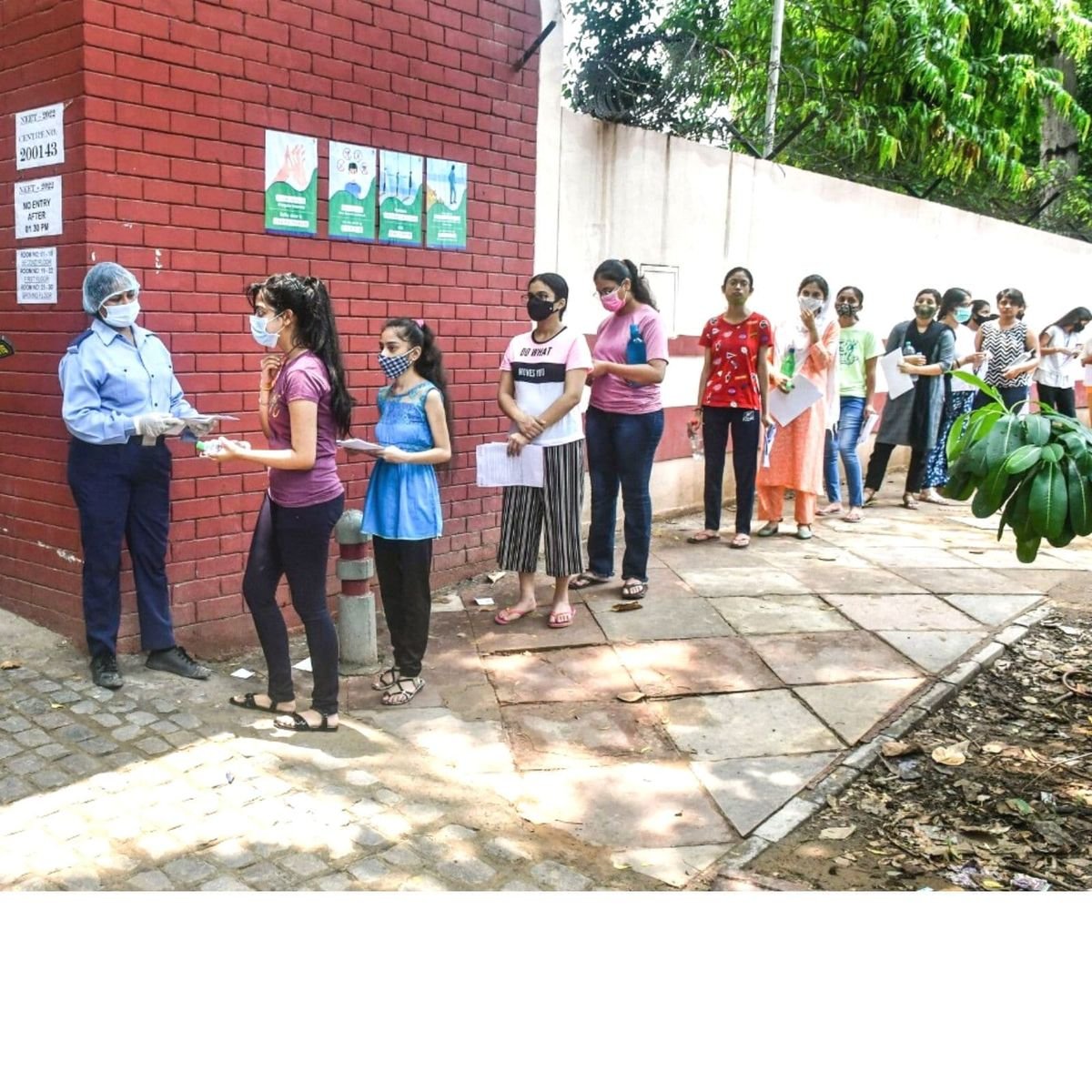
Furthermore, the adjustments in the NEET-UG 2026 schedule could lead to better accessibility for candidates across the country. With the NTA’s endeavor to include more exam centers and widen the geographical reach, students from remote or underserved locations may find it easier to participate. This accessibility ensures that a wider range of candidates can realize their aspirations of gaining admission into medical colleges, thus enhancing diversity within the student population.
In light of these changes, candidates are encouraged to remain informed regarding the specific dates and procedural updates provided by the NTA. This will equip them to make strategic decisions about their study plans and effectively utilize the extended exam window. As a result, this initiative by the NTA represents a significant step towards creating a more supportive and inclusive environment for NEET-UG preparations.
Impact on Candidates and Future Implications
The recent announcements by the National Testing Agency (NTA) concerning the NEET-UG 2026, specifically the provision of additional rough-work space and an extended exam window, are poised to significantly influence the experiences of candidates. A supplementary rough-work space allows for greater flexibility as students navigate complex problems, which can enhance their overall problem-solving capabilities during the examination. By affording candidates the opportunity to utilize more physical space for calculations, the NTA aims to mitigate the anxiety that often accompanies high-stakes testing environments.
Moreover, the extension of the examination window is anticipated to foster a more organized approach to exam preparation. Candidates can benefit from having a broader timeframe in which to study, effectively revising without the pressure of a tight deadline looming over them. This adjustment may lead to reduced stress levels, enabling students to perform to the best of their abilities less hampered by the traditional time constraints. Enhanced preparation time ensures that candidates can revisit challenging topics, seek assistance when needed, and reinforce their understanding, ultimately contributing to better examination outcomes.
However, these changes may also raise questions about future iterations of the NEET and the general landscape of medical examinations in India. The NTA’s initiatives could prompt further discussions about the structure and delivery of these tests. It is possible that as more candidates observe the benefits of the expanded testing conditions, there may be calls for additional reforms in the examination protocol, including changes to scoring systems, syllabus breadth, or even logistic arrangements at examination centers.
In conclusion, the updates presented by the NTA not only address immediate concerns surrounding candidate welfare during NEET-UG 2026 but also set the stage for broader discussions about the evolution of medical assessments in India moving forward. As this examination shapes the futures of countless aspiring medical professionals, continued adaptation to meet the needs of candidates will be paramount.