




NEET The National Eligibility cum Entrance Test (NEET) serves as the gateway for medical aspirants in India, determining admission to undergraduate medical programs across the country. NEET has become a crucial examination, undertaken by millions of students each year who aspire to secure a place in esteemed medical colleges. The significance of this test is underscored by its competitive nature and the immense pressure it places on students striving for success in their future medical careers.
Recently, the decision to conduct a re-test has sparked significant controversy and unease among aspirants. This re-test was prompted by allegations of malpractice and errors in the initial examination, leading to heightened scrutiny of the examination process. As the governing body sought to maintain the integrity of the examination system, the re-test emerged as a necessary solution to address these concerns. However, this decision has led to widespread anxiety and unrest among the affected students, many of whom felt that their hard work was undermined by circumstances beyond their control.
The impact of this re-test decision extends beyond logistics; it has instigated a wave of skepticism regarding the overall examination system. Students, parents, and educators alike have voiced concerns about the fairness and transparency of the evaluation process. The possibility of facing the examination again under intense pressure raises questions about the reliability of the system, deterring some aspirants from believing in their chances for success. This situation, fueled by anxiety and uncertainty, has left many medical aspirants questioning their future and the credibility of a test that is meant to uphold meritocracy in the field of medical education.
Aspirants’ Perspectives and Concerns
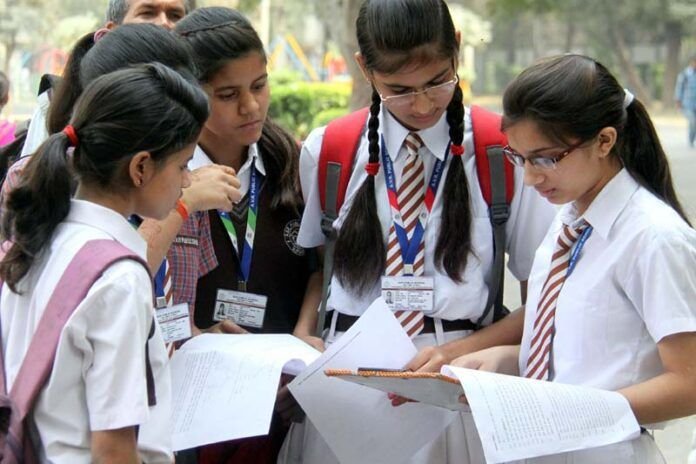
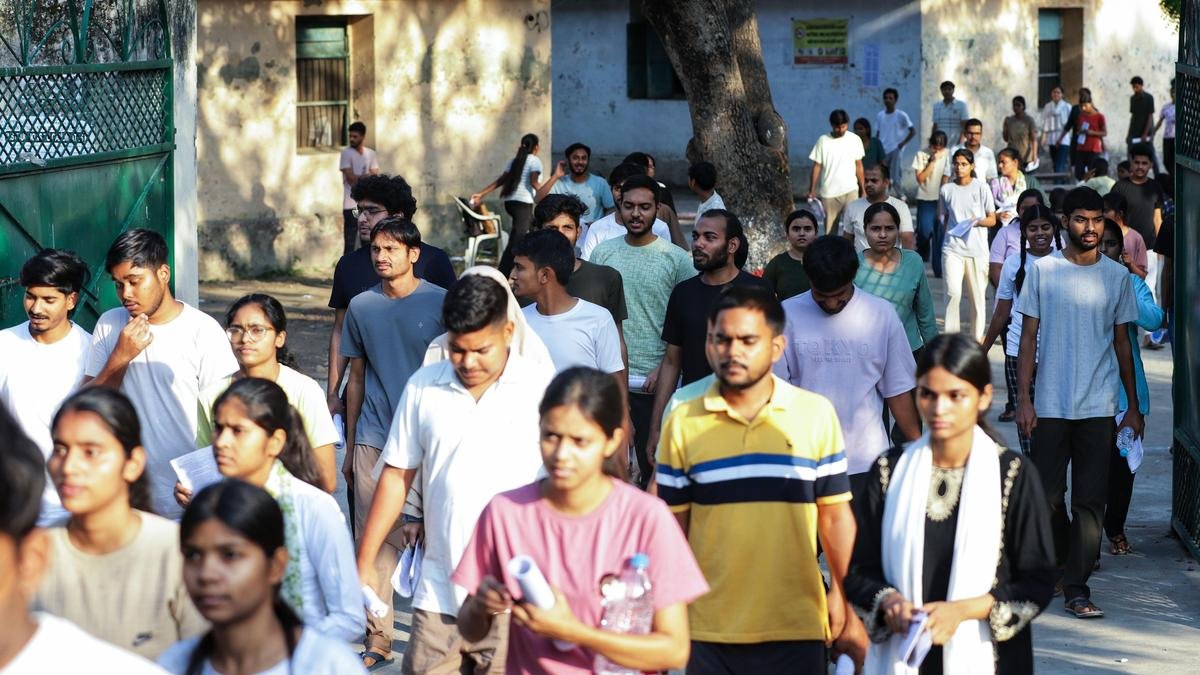
As the announcement of the NEET re-test reverberates through the corridors of academic institutions, the emotions of aspirants are palpable. Many students are grappling with an overwhelming sense of distress, stemming from their anticipation and the high stakes associated with the NEET examination. For numerous candidates, months of rigorous preparation seemed futile in light of this unexpected turn, giving rise to feelings of frustration and disillusionment.
A significant concern among these aspirants is the perceived inadequacy of the preparation time available between the announcement and the re-examination date. Many candidates express fears that the limited time frame will not allow them to adequately prepare, jeopardizing their aspirations of securing a medical college seat. With the original examination already being a high-pressure event, the sudden requirement to re-prepare for the test exacerbates their anxiety levels.
Furthermore, fairness emerges as a primary concern in discussions among NEET aspirants. Candidates often question the integrity and transparency of the examination process, particularly in light of the circumstances that led to the decision for a re-test. The lack of clear communication and guidelines from authorities has entered the consciousness of the students, resulting in a widening disconnect between examiners and examinees.
The mental and emotional toll of the re-test extends beyond individual students. Families are also affected, as parents witness their children’s struggles and uncertainties. The combined pressures of academic performance and mental well-being culminate in a distressing atmosphere. Students find themselves caught in a whirlwind of expectations, fears, and the uncompromising desire to succeed, rendering the NEET re-test not only an academic hurdle but a profound emotional challenge.
Analysis of Trust in the Examination System
The recent decision to hold a NEET re-test has ignited significant concern among students and parents alike, calling into question the integrity of the examination system. The National Eligibility cum Entrance Test (NEET), crucial for aspiring medical students in India, represents a gateway to prestigious medical colleges. When such a re-test is deemed necessary, it can lead to a disillusionment that affects not just current candidates, but also future aspirants.
One major factor contributing to the erosion of trust in the examination process is a perceived lack of transparency. Candidates often feel left in the dark regarding the rationale behind administrative actions, such as the decision to conduct a re-test. The absence of clear communication from regulatory bodies exacerbates concerns, leading students to speculate about the fairness of the assessments. This sentiment is compounded by previous incidents of misconduct during examinations, including allegations of cheating and other malpractices. When students witness such irregularities, their faith in the system diminishes further, leading to a pervasive atmosphere of skepticism.
The implications of these factors extend beyond immediate dissatisfaction; they can have lasting effects on the motivation of young aspirants. A prevalent fear is that if the integrity of examinations is compromised, future outcomes may be influenced by arbitrary decisions, subsequent disillusionment may deter potential medical talent from pursuing their aspirations altogether. Consequently, a breakdown in trust not only undermines the current examination cycle but casts a long shadow over the future of medical education, making students hesitant to invest their time and effort into a system they view as unreliable.
As stakeholders grapple with these issues, it becomes paramount to restore faith in the examination process. Engaging with students through transparent practices and acknowledging their concerns can pave the way for rebuilding this essential trust.
Conclusion and Call for Action
Throughout this discussion, we have delved into the distress and distrust experienced by NEET aspirants in the wake of the examination procedures and outcomes. The repeated calls for transparency and accountability in the assessment processes raise critical concerns that cannot be overlooked. It has become evident that the current examination framework not only impacts the mental health and well-being of the students but also undermines their confidence in the system designed to facilitate their ambitions of entering the medical field.
A significant aspect that requires urgent attention is the frequent allegations of discrepancies and malpractices associated with the NEET examination. These issues foster an environment of skepticism among aspirants, prompting them to question the integrity of the evaluation process. The need for reforms cannot be emphasized enough; there is an inherent requirement to instill trust and reliability in the examination system. The educational authorities must engage with the student community proactively to understand their grievances and to explore suitable solutions.
In light of these challenges, we urge educational leaders and policymakers to prioritize the mental and emotional well-being of medical aspirants. It is imperative that they implement transparent practices that hold examinations accountable and establish support systems for students navigating this intense journey. The reform of educational policies will not only benefit current aspirants but will also shape the future of medical education in India positively. It is time for stakeholders to unite, address these pressing concerns, and restore faith in a system that is supposed to empower aspiring medical professionals.