



The NEET-UG paper leak incident has emerged as a significant event that has raised serious questions regarding the integrity of the examination process in India. The National Eligibility cum Entrance Test for Undergraduates (NEET-UG) serves as a pivotal gateway for aspiring medical students, making the integrity of its administration crucial for fair access to medical education.
This incident first came to light shortly before the scheduled examination, creating a wave of panic among students and parents alike. Reports indicated that certain exam papers were circulated on various platforms, leading to immediate concerns about the credibility of the upcoming test. The timing of the leak, occurring just days before the exam date, added to the urgency of the matter and prompted swift action from authorities.
The scope of the leak was alarming, as it was reported that multiple versions of the question paper had been compromised. This raised fears that students who were able to access these papers would gain an unfair advantage over their peers, undermining the principles of meritocracy that the NEET-UG stands for. In response, the examination authorities faced immense pressure to investigate the matter thoroughly and ensure a transparent resolution to address the concerns of stakeholders.
Moreover, the immediate impact on students was profound, leading to heightened anxiety and uncertainty about their future. Many candidates expressed their frustration and confusion, questioning whether the examination would still be conducted as scheduled or if alternative measures would need to be taken. Stakeholders, including educational institutions and governing bodies, also voiced their concerns regarding the potential ramifications of the incident on the broader educational ecosystem.
In summary, the NEET-UG paper leak incident not only poses challenges in the immediate context of the examination but also raises broader issues regarding security and trust in standardized testing processes across the country.
Supreme Court’s Stance on NTA Reforms
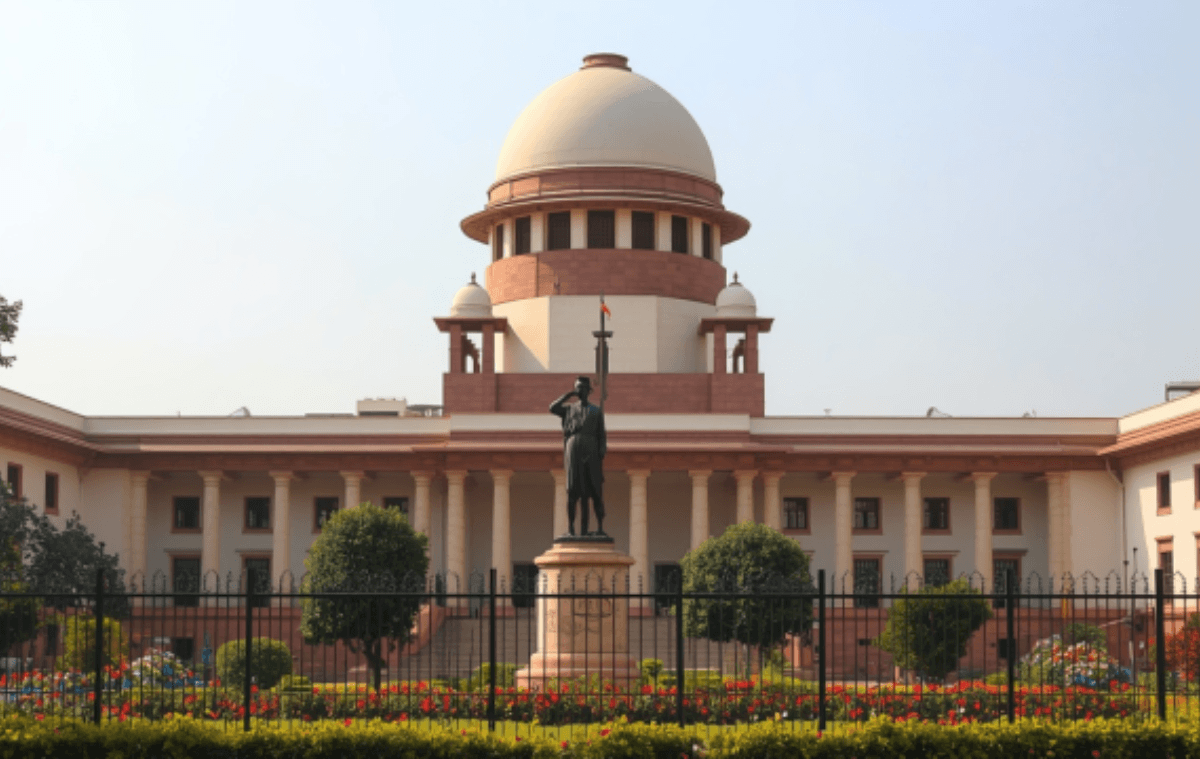
Recently, the Supreme Court addressed the critical issue of the National Testing Agency’s (NTA) approach to managing examination security, particularly in light of the NEET-UG paper leak incidents. The Court advocated for a comprehensive set of reforms that go beyond mere procedural adjustments or the replacement of existing committees tasked with overseeing examination integrity. This recommendation stems from an understanding that such significant lapses in security call for a more profound strategy to bolster the reliability and credibility of the testing process.
The Supreme Court’s emphasis on reform stems from a desire for a more robust framework that can permanently mitigate the risk of similar breaches. Rather than merely shifting personnel or reassigning responsibilities among committees, the Court suggests that the NTA must implement systematic changes that address the root causes of examination vulnerabilities. This may encompass various enhancements, including adopting more stringent verification processes, investing in technological advancements for secure examination delivery, and ensuring stringent monitoring during the examination process.
Moreover, the reasoning articulated by the Supreme Court underlines the importance of a sustainable and effective approach to enhancing examination security. By highlighting the necessity for meaningful reforms, the Court seeks to convey that a temporary fix or superficial changes will not suffice. Engaging in a dialogue about systemic improvements is essential for restoring public trust in the examination process and ensuring that future candidates can sit for their assessments without concerns over integrity issues.
Therefore, the Supreme Court’s position serves as a reminder of the responsibility shouldered by the NTA to not only maintain but also elevate the standards of examination security. To achieve this, the agency must proactively engage with stakeholders and explore innovative solutions that can be integrated into their operational framework, ultimately leading to effective long-term reforms.
Implications for Future NEET-UG Conduct
The recent advice from the Supreme Court regarding the NEET-UG paper leak incident holds significant implications for the conduct of future examinations. As the court emphasizes the need for robust measures to prevent malpractice, it is expected that regulatory bodies will enact comprehensive policies aimed at strengthening the examination process. This could lead to enhanced security protocols in the handling of examination materials and stringent vetting processes for affiliations related to examination centers.
One major potential change may involve the adoption of technology-driven solutions. The integration of biometric identification and real-time monitoring could become a standard practice in future NEET-UG exams. Such innovations aim to create a secure environment, ensuring that candidates adhere to strict protocols. Moreover, the efficient use of digital platforms for exam administration might streamline the overall process, reducing the risks associated with paper-based assessments.
Educational institutions will likely need to adapt to these new policies, which may necessitate additional training for staff involved in examination coordination. This could involve awareness campaigns to educate all stakeholders about the importance of integrity in the examination system. Furthermore, schools and coaching institutes may face scrutiny regarding their preparatory practices, as adherence to ethical guidelines becomes paramount.
In addition, these developments will significantly impact students preparing for NEET-UG. As policies evolve, students will need to familiarize themselves with the new examination requirements and ensure they understand the implications of these changes. Enhancing transparency in examination procedures will foster greater trust in the system, ultimately benefitting the overall educational landscape. The judiciary’s involvement may pave the way for reforms that not only address current issues but also fortify the examination framework against future challenges.
Calls for Accountability and Transparency
The recent NEET-UG paper leak incident has raised significant concerns regarding the integrity of the examination process. Stakeholders from various sectors have voiced their opinions, emphasizing the urgent need for enhanced accountability and transparency in medical entrance exams. Educators, who play a critical role in nurturing the future of aspiring medical students, have highlighted that ensuring a fair examination environment is paramount. They argue that the credibility of the examination system is crucial not only for maintaining high educational standards but also for instilling confidence among students and parents.
Students, as the most directly affected group, have expressed their distress over the implications of such leaks. Many have reported feelings of betrayal and insecurity regarding their future prospects. In discussions, they have called for stricter measures that would prevent the recurrence of similar incidents. This includes the implementation of robust security protocols during the conduct of exams, which could involve electronic monitoring and limited access to examination materials prior to the test dates. Moreover, they have suggested that educational institutions and examination authorities release regular updates about the measures being taken to safeguard the integrity of the examination process.
Policymakers also play a vital role in addressing these issues. Many believe that legislative changes are necessary to deter any possible involvement of corrupt practices related to examination administration. Proposals for establishing independent oversight committees to investigate breaches and to hold accountable those involved could potentially enhance the transparency of the examination process. Furthermore, these policymakers stress the importance of engaging stakeholders in dialogues aimed at reestablishing trust in the medical entrance examination system.
In conclusion, the collective voices of educators, students, and policymakers highlight an urgent call for reform. It is evident that accountability and transparency must be at the forefront of discussions surrounding the examination system to ensure it remains credible and trustworthy moving forward.