




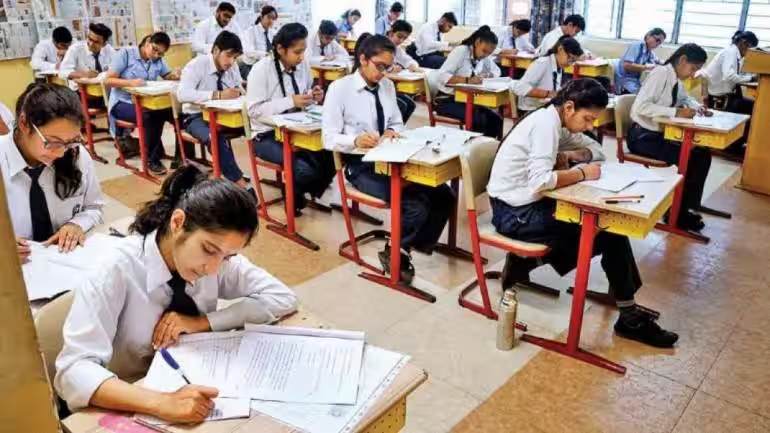
Recently, the Delhi government made a significant policy change regarding the examination protocol for Class 10 students. This decision involved revoking the previous order that stipulated students could be barred from taking their board exams if they failed in the R3 paper. The R3 paper is a component critical to the assessment and overall academic performance of students in Class 10, encapsulating a range of subjects and topics deemed essential by educational authorities.
The context of this decision stems from ongoing discussions about academic pressures faced by students. The R3 paper has often been perceived as a challenging hurdle, leading to anxiety among students and affecting their overall performance in board examinations. By lifting the restriction associated with R3 paper failure, the government aims to alleviate some of the stress placed on students, ensuring that their educational journey is not hindered by a singular setback.
This revocation indicates a shift in the educational philosophy adopted by the Delhi government, focusing more on inclusivity and equity in academic assessments. Stakeholders, including educators, parents, and students themselves, have expressed various opinions on the efficacy and fairness of the previous regulations. According to the latest educational strategies, the objective is to encourage students to continue their learning journey without the fear of not being able to participate in their crucial board examinations due to failures in one specific area.
The overall academic framework is expected to benefit from this revised approach, allowing students multiple opportunities to succeed. This decision aligns with broader educational reforms aimed at fostering a supportive learning environment, where students can engage and excel without the burden of rigid and punitive measures.
Implications for Students and Parents
The recent decision by the Delhi government to revoke the order that previously barred students from advancing due to failure in the R3 paper has significant implications for both students and their families. This move is intended to alleviate the academic pressure that had been placed on students who may have struggled with this particular examination. The earlier policy could have led to serious consequences for the students, including extended years in secondary education and potential detriments to their overall academic profiles.
The alleviation of this policy will undoubtedly reduce the high levels of stress that many students experience as they navigate their educational journeys. For those who performed poorly on the R3 paper, the burden of knowing they could be held back from progressing to the next level may have been overwhelming. Instead, this decision empowers them to continue their studies without the anxiety of previous failures weighing heavily on them.
Parents, on the other hand, have expressed a mixture of relief and cautious optimism regarding this shift. Many families had voiced concerns that the ruling could adversely affect their children’s future opportunities. By allowing students to advance despite the R3 paper’s results, the government has arguably responded to these parental worries, thus fostering a more supportive educational environment. Parents recognize that learning from mistakes is a crucial part of the educational process, and this decision reflects an understanding of the importance of resilience in academic pursuits.
Overall, the revocation of the exam barring order creates space for growth, learning, and recovery, emphasizing the value of adaptability in educational policies. It allows students to focus more on their holistic development rather than be paralyzed by setbacks in specific assessments, ultimately benefiting the wider community as well.
Reactions from Educational Authorities and Experts
The recent decision by the Delhi government to revoke the Class 10 examination order concerning the R3 paper has elicited a wide range of reactions from various stakeholders in the education sector. Educational authorities have expressed a mix of relief and concern, highlighting the implications of such policy changes on academic standards. Some officials from the Directorate of Education have articulated that while flexibility in assessment methods is important, it is equally critical to maintain a robust framework for academic evaluation to ensure the integrity of the education system.
Teachers’ unions have also weighed in on the matter, with some educators advocating for the reversal as a necessary step towards reducing pressure on students, especially in a time characterized by unprecedented challenges. However, not all opinions align; several teachers expressed apprehension that easing examination requirements might affect students’ preparedness for future academic endeavors. They argue that assessments play a vital role in gauging academic competency and readiness for higher education.
Education experts have been particularly vocal, emphasizing the balance between academic evaluation and mental health. Some experts have suggested that while reforming examination policies can serve to alleviate stress among students, it should not undermine the importance of structured assessments. They contend that a comprehensive evaluation framework is essential not only for identifying areas of improvement for students but also for ensuring that educational institutions remain accountable for their teaching standards.
In addition, student organizations have voiced their opinions, with many advocating for a more holistic approach to evaluation. They argue that assessments should reflect a broader understanding of student capabilities rather than solely focusing on traditional examinations. This perspective aligns with the current trends in educational methodologies that emphasize competency over rote learning.
As the discussion continues, it is clear that the implications of the Delhi government’s decision will resonate throughout the educational community. Stakeholders must collaborate to ensure that any modifications to assessment policies prioritize both academic integrity and student welfare.
Future of Academic Policies in Delhi
The recent revocation of the Class 10 examination order regarding the R3 paper failure by the Delhi Government marks a significant turning point in the academic landscape of the capital. This decision may serve as a precursor for future reforms that aim to reshape the educational framework within the city. It is vital to consider how this change could influence ongoing assessment methods and the overall approach to academic performance evaluation.
As educators and policymakers reflect on the implications of this decision, it is plausible that new policies will emerge to provide a more supportive and fair academic environment for students. These potential reforms may include the introduction of alternative assessment methods that prioritize continuous learning rather than solely relying on traditional examination formats. For instance, incorporating periodic evaluations and project-based assessments may better gauge a student’s understanding and mastery of the subject matter.
Moreover, the Delhi Government could establish guidelines to address issues similar to those surrounding the R3 paper failure in the future. A strategic approach may involve the development of robust frameworks that focus on student well-being, ensuring that the pressure of examinations does not compromise their educational journey. This might also lead to increased transparency in the assessment process, wherein students and parents are kept informed of evaluation criteria and results.
In addition, incorporating feedback mechanisms that empower students to voice their concerns regarding academic policies can foster a more inclusive educational system. Engaging with stakeholders, including teachers, parents, and students, will be crucial in shaping policies that resonate with the needs of the community.
Ultimately, the decisions made following the recent changes will likely play a pivotal role in defining the future of academics in Delhi. It is imperative that the government adopts a forward-thinking approach to reform, ensuring that students are equipped to thrive in an increasingly competitive world while maintaining the integrity of their educational experiences.