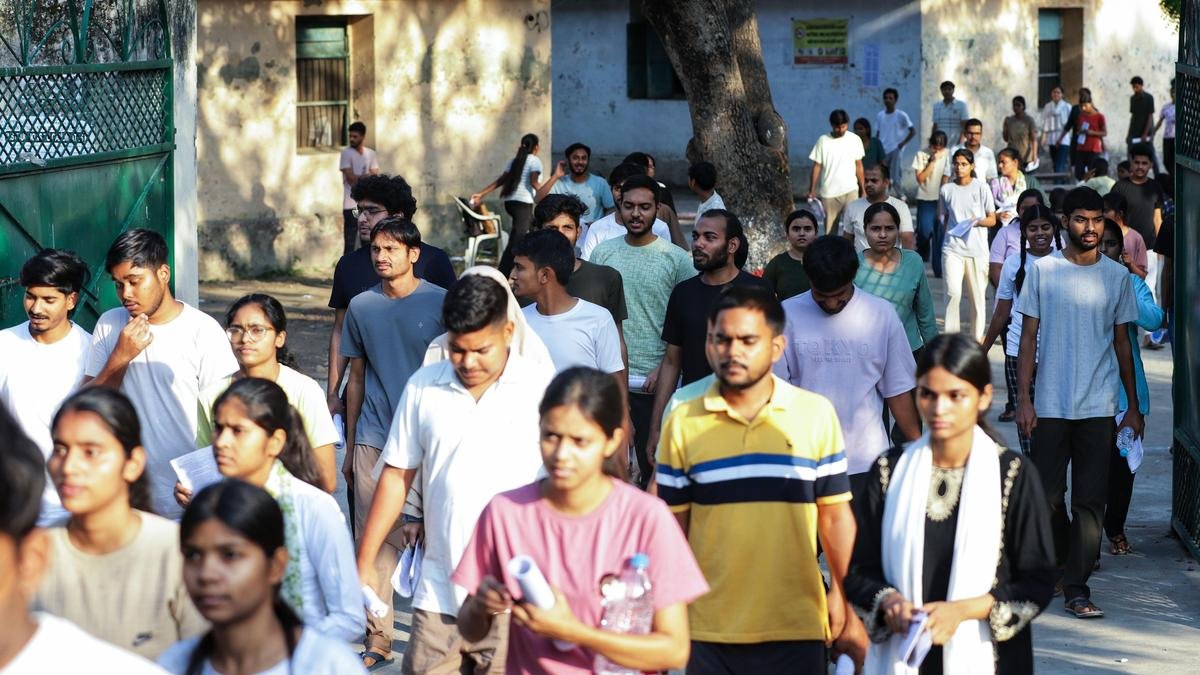



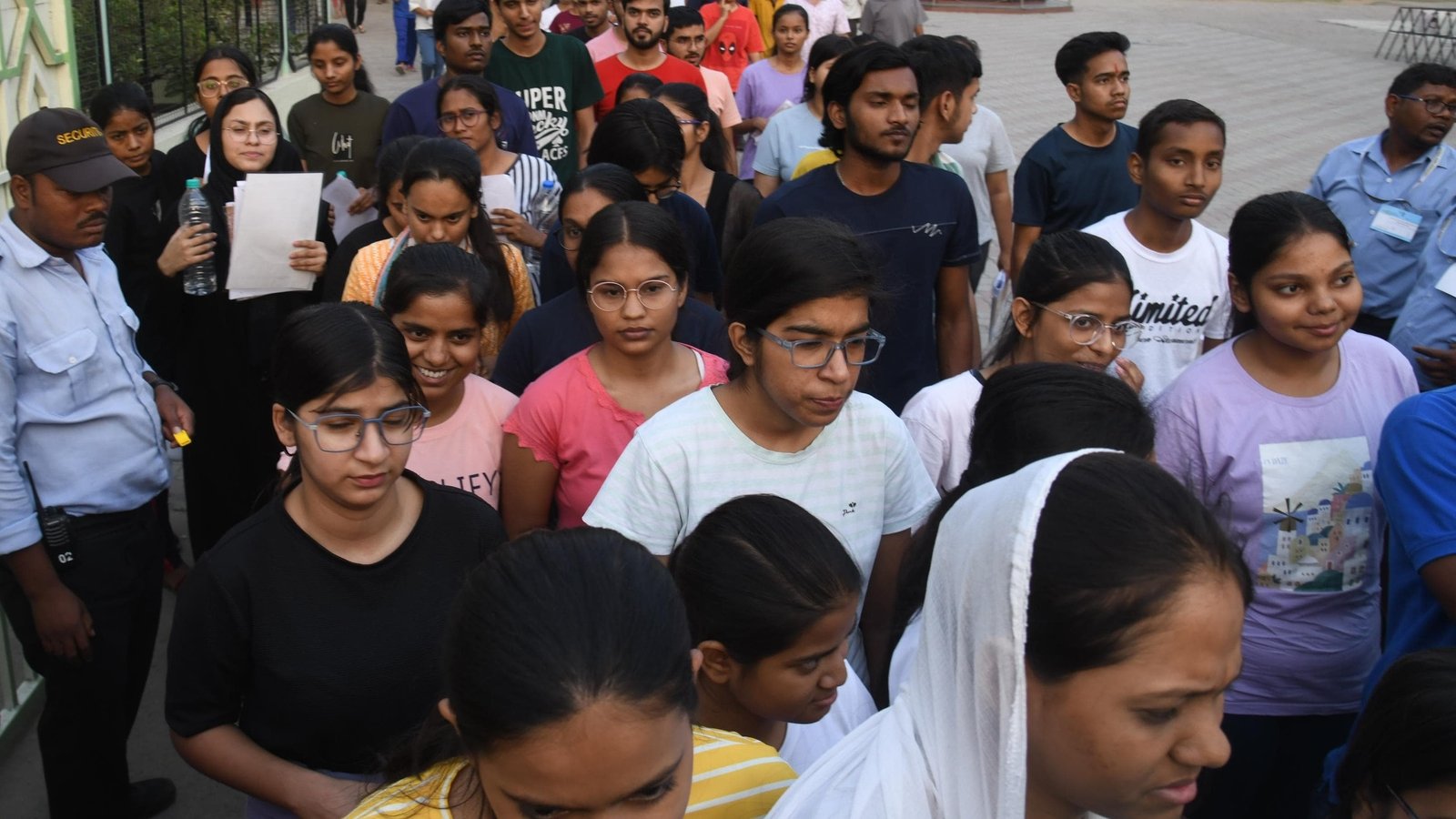


The NEET UG 2026 re-examination is scheduled to take place on June 21, representing a crucial opportunity for aspiring medical students in India. The decision to conduct a re-examination stems from various logistical challenges and concerns regarding the integrity of the original test conducted earlier in the year. The National Testing Agency (NTA) has emphasized its commitment to ensuring a fair examination process, and the upcoming re-exam seeks to address any discrepancies that may have arisen.
The NEET UG examination serves as the primary gateway for students aiming to secure admission to undergraduate medical programs across the country. It not only assesses the knowledge base of candidates in subjects like Physics, Chemistry, and Biology but also serves as a critical benchmark for determining eligibility for medical colleges in India. Therefore, the re-examination is of paramount significance as it allows candidates a second chance to demonstrate their capabilities in a highly competitive landscape.
Official statements released by the NTA indicate that the format and structure of the NEET UG 2026 re-exam will align closely with previous iterations. Candidates can expect a syllabus that covers the same core subjects and question patterns as the initial test. This consistency aims to maintain the examination’s credibility and ensures that students can adequately prepare for the re-exam without facing any unexpected changes. The NTA has also laid out specific security measures to safeguard the examination process, aiming to uphold the integrity and fairness essential for such a high-stakes test.
In light of these developments, students are urged to conscientiously prepare for the re-examination, utilizing resources and study materials that reflect the NEET UG structure. The importance of the NEET UG cannot be overstated, as it plays a pivotal role in shaping the careers of future medical professionals in India.
Heightened Security Protocols for the Exam
As the NEET UG 2026 re-exam approaches on June 21, considerable emphasis is being placed on heightened security protocols to maintain the integrity of the examination process. With reports of previous irregularities, this year’s examination will implement several advanced strategies aimed at ensuring a secure testing environment for all candidates.
One of the key measures includes the deployment of advanced technology to monitor the exam halls effectively. Biometric identification systems, which capture fingerprints and photographs, will be utilized to verify the identity of each candidate, reducing the risk of impersonation. Furthermore, digital scanning systems will also be employed at the entrance of examination centers to streamline the identification process, ensuring that only eligible candidates gain access.
Additionally, strict identification checks will become a norm in all examination centers. Candidates are required to carry government-issued identification, such as an Aadhaar card or a passport, which will undergo meticulous verification against the registration details provided during the application process. Any discrepancies found during these checks could lead to immediate disqualification.
On-site security personnel will be tasked with monitoring all activities within the examination centers to deter any attempts at malpractice. Their presence will not only enhance the overall security but will also provide reassurance to the candidates, thereby allowing them to focus solely on their performance.
Moreover, the possibility of surveillance measures such as CCTV cameras will be implemented in examination rooms. This initiative will serve to both deter fraudulent behavior and ensure that any irregularities are promptly addressed. The combination of technology and manpower aims to create a fair, transparent, and conducive environment for all candidates bidding for success in this vital examination.
Government’s Warning Against Disruptors
The government has issued stern warnings regarding any disruptive activities that may impact the NEET UG 2026 re-exam scheduled for June 21. With the examination being a pivotal event for aspiring medical students, officials have underscored the importance of maintaining a peaceful environment during this crucial period. Any attempt to hinder the proceedings could have serious consequences not only for the individuals involved but also for candidates who have invested significant time and effort into their preparations.
In recent announcements, authorities have emphasized that legal action will be taken against any individuals or groups that threaten to create disturbances or disrupt the examination process. This proactive approach aims to deter potential disruptors and assure students and their families of their safety on the exam day. Such measures are vital to ensure that candidates can complete their assessments in a secure and conducive atmosphere.
The implications of disruptions extend beyond immediate unrest; they can significantly affect the students’ performance and overall experience during the examination. Any form of interruption could hinder the mental preparedness of candidates, leading to adverse effects on their ability to perform optimally under examination conditions. Furthermore, largescale disruptions may necessitate rescheduling or additional security measures, which could complicate the examination process.
To enforce compliance, the government has also collaborated with local law enforcement agencies to ensure that robust security protocols are in place. This includes enhanced surveillance around examination centers and quick response teams to address any emerging situation promptly. The commitment to maintaining order reflects the significance of the NEET UG examination within the academic framework and the government’s dedication to safeguarding the integrity of the process.
Implications for Students and Stakeholders
The heightened security measures and government warnings concerning the NEET UG 2026 Re-Exam set for June 21 carry significant implications for students, parents, educators, and the broader educational landscape in India. For students preparing to undertake this critical examination, these enhanced protocols can induce a range of psychological effects. Anxiety levels may rise as candidates confront the dual pressures of rigorous examination conditions and the necessity of adhering to strict security guidelines. This environment could impact their performance, necessitating adjustments in their preparation strategies.
Logistically, students must now familiarize themselves not only with the academic content but also with the new procedures established to ensure examination security. This may include arriving at centers earlier than usual and complying with various checks, which could contribute to stress on the exam day itself. Adjusting to these changes may require additional support from parents and educators who need to be aware of the heightened stakes associated with this re-examination.
Parents play an essential role in providing emotional support during this period. They must stay informed about the regulations and the context behind these security measures to help mitigate their children’s anxiety. Additionally, educators and institutions must adapt their approaches to preparing candidates, focusing not only on the curriculum but also addressing the emotional and psychological dimensions of exam readiness. The collaboration between students, parents, and educators will undoubtedly determine how well candidates cope with these challenges.
Furthermore, the broader implications of these changes may signal a shift in the way medical examinations are conducted in India. The introduction of such stringent measures may set a precedent for future assessments, potentially reshaping the examination landscape in a manner that prioritizes integrity and security. Ultimately, how these implications manifest may influence not only the immediate cohort of NEET UG candidates but also the preparation strategies and protocols for years to come.