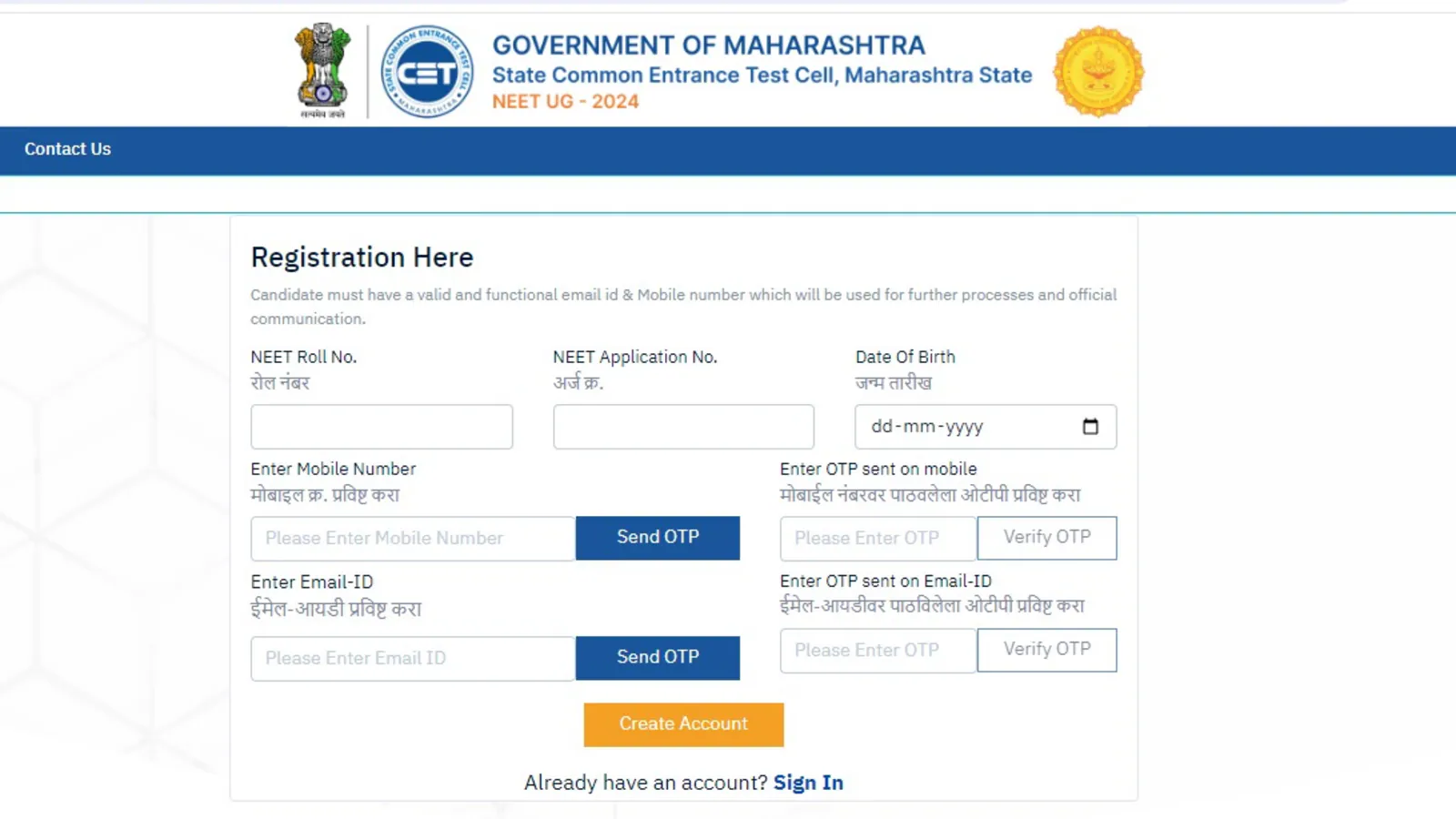







NEET UG Reports about a task force proposal have raised the possibility that the National Eligibility cum Entrance Test (Undergraduate), or NEET UG, could move to a computer-based test (CBT) format only by 2028. Under CBT, candidates read questions and record their responses on a computer. This differs from the paper-based approach in which candidates mark answers on an optical mark recognition (OMR) sheet. The reported plan therefore points to a potential change in how the examination is delivered, rather than a change that has already been formally introduced.
The distinction between a proposal and a confirmed rule is important for candidates, families and educators. A task force report may recommend a future direction, but the examination authority would need to issue official decisions and instructions before candidates could treat a new format as settled. Until then, current examination notices remain the source to consult for the applicable rules. The reported 2028 date should likewise be understood as an anticipated endpoint for a proposed transition, not as confirmation that all implementation details have been approved.
The timeline also leaves open what arrangements might apply in the period before 2028. The report, as described, does not by itself establish whether any interim examinations would remain paper-based, use CBT, or involve a phased approach. Candidates should avoid assuming that a particular format will apply to an upcoming exam unless an official notice confirms it. Preparations should continue to reflect the rules announced for the relevant examination cycle, while students can monitor updates from the authorities responsible for NEET UG.
Important practical questions remain unanswered in the reported proposal. These include the design of the computer interface, how candidates would navigate questions, the examination duration, the availability and location of test centres, and the schedule for any rollout. None of these details should be treated as final without formal guidance. For now, the proposal signals a possible shift toward digital delivery by 2028, while leaving the precise route, timing and candidate experience subject to clarification through official decisions.
The task force is expected to examine the proposed move of NEET UG from a pen-and-paper format to computer-based testing and prepare a report for submission by January. If the article is anchored to November 2026, that deadline refers to January 2027; until the publication date is confirmed, it is safer to retain the relative wording used in the source. The existence and expected timing of the report are distinct from any conclusions it may reach: the transition should not be treated as approved or its operating details as settled before the report and subsequent decisions are available.
The report may need to assess whether the technical infrastructure can support a national examination taken by a very large candidate population within a suitable time window. Relevant questions could include the number and geographic distribution of test centres, computer capacity, network reliability, and arrangements for candidates in areas with limited access. It may also consider how examination content would be delivered securely, how candidate identity would be verified, and what safeguards could reduce risks such as impersonation, unauthorized access, or technical disruption. These are reasonable subjects for review, not a confirmed list of the task force’s assigned duties.
Other practical issues could include accessibility for candidates with disabilities, clear procedures for requesting accommodations, and whether the computer interface and question delivery can be used consistently across centres. Contingency planning would also matter: a report could examine responses to power or network failures, equipment problems, delayed starts, or the need to reschedule an affected session. More broadly, it may weigh how a high-stakes national examination can preserve fairness, reliability, and transparency if delivered digitally. Unless the authorities publish formal terms of reference, however, these topics should be described as questions the report may address rather than confirmed recommendations or commitments. The report’s value will depend on whether it explains operational requirements and identifies risks before any transition timetable is finalized.
A nationwide computer-based test would depend on whether suitable centres and functioning devices are available across urban, rural, and remote regions. Capacity planning would need to account for candidate numbers, travel distances, accessible facilities, and the ability to replace or repair equipment quickly. Authorities would also need to assess reliable electricity, backup power, network requirements, and on-site technical support. If the examination platform can operate without continuous connectivity, that design and its safeguards should be explained; if connectivity is essential, arrangements for outages and restoration would require particular scrutiny.
Contingency rules are equally important. A computer failure affecting one candidate may require a secure restart or another documented remedy, while a centre-wide power or system outage could disrupt an entire session. Candidates should know in advance how lost time, interrupted responses, rescheduling, and incident reporting will be handled. Accessibility must be built into the platform and test-centre arrangements, including compatibility with approved assistive technologies and accommodations for candidates with disabilities. Language selection, fonts, navigation, instructions, and response controls should be tested for clarity so that interface design does not create avoidable barriers.
NEET UG Security and fairness also require transparent standards. Digital delivery may introduce risks involving unauthorised access, identity checks, device tampering, or exposure of test content, so controls should be proportionate and independently reviewed. If candidates sit the examination in multiple shifts, the authority should publish how it will maintain comparable difficulty, protect questions, and address differences in test conditions or scoring. Before implementation, representative trial runs could reveal technical and usability problems across regions and candidate groups. Clear rules, independent oversight, and published contingency procedures would help candidates understand their rights and remedies. These measures would not guarantee a trouble-free transition, but they would make decisions more accountable and allow concerns to be assessed against consistent evidence rather than informal assurances.
For candidates and families, the most important step is to distinguish a reported recommendation from an approved policy. A task force report may outline a possible move to computer-based testing, but it does not, by itself, change the NEET UG rules. Follow updates issued by the National Testing Agency, the National Medical Commission, and other relevant authorities through their official websites and notices. News reports and commentary can help explain developments, but should not replace the instructions that govern registration, examination-day procedures, or scoring. Until an official change is announced, candidates should prepare for the format specified in the current examination notification.
NEET UG After the report is released, watch first for a formal response from the authorities: they may accept recommendations, modify them, defer a decision, or retain the existing format. If a change is approved, the timing and wording of the announcement will matter. Candidates will need clear information about when the revised format takes effect and whether it applies to the 2028 examination or an earlier cycle. Check for updated information in prospectuses, information bulletins, and application notices, rather than relying on an isolated statement about a target date. Families can help by keeping a record of official updates and reviewing any changes to schedules or candidate requirements.
Practical preparation details will also be important. Look for announcements about sample tests, practice platforms, demonstrations, or other familiarisation resources that could help candidates understand the interface and timing of a computer-based exam. (NEET UG) Any transition arrangements should be stated clearly, including which examination cycles are affected and what support will be available to students adapting to a different delivery method. Until such guidance appears, maintaining a study plan aligned with the currently notified exam remains the safest course; candidates can build general digital familiarity without assuming that particular technical skills or equipment will be required. The task force report may clarify the possible path forward, but only an official notification will establish the rules candidates must follow.