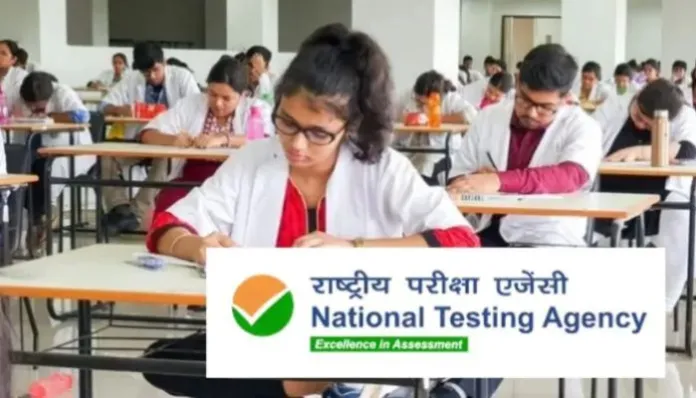




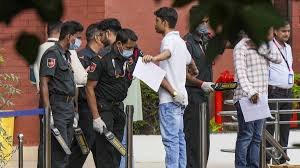
NEET The National Eligibility cum Entrance Test (NEET) serves as a pivotal examination for aspiring medical students in India, reflecting the critical link between education and healthcare professions in the country. Conducted by the National Testing Agency (NTA), NEET is the sole gateway for students seeking admission to undergraduate medical courses, specifically MBBS and BDS programs, across recognized medical colleges in India.
NEET evaluates candidates on their knowledge of Physics, Chemistry, and Biology, covering topics from the NCERT syllabus of Classes 11 and 12. The examination format includes multiple-choice questions, structured to challenge the comprehensive understanding of the subjects. As students prepare for the examination, they engage with a vast array of content that not only emphasizes theoretical knowledge but also promotes critical thinking and problem-solving skills essential in the medical field.
The significance of the NEET exam extends beyond mere assessment; it plays a crucial role in shaping the future of healthcare in India. With a single standardized test, NEET promotes a level playing field, ensuring that admissions to medical colleges are based on merit rather than varying entrance criteria. This uniformity aids in maintaining educational quality and upholding the standards of medical training across institutions.
Furthermore, the NEET examination’s outcomes have far-reaching implications for the medical profession and healthcare delivery in India. By determining which candidates gain entry into medical programs, NEET indirectly influences the future availability of qualified healthcare professionals. As aspiring doctors embark on their education journeys through NEET, they are not only exam takers but future practitioners who will contribute significantly to the health and wellness of the population.
The Leak Claims: What We Know So Far
Recent allegations have surfaced regarding a potential leak of the National Eligibility cum Entrance Test (NEET) exam paper, raising significant concerns among students and educational authorities alike. These claims have emerged just days ahead of the scheduled examination, prompting widespread speculation and worry about the integrity of the assessment process.
The timeline of these claims began with a post on social media platforms that purported to reveal details of the NEET exam questions. Initial reports suggest that the source of these claims is an anonymous account which claimed to possess insider information about the examination. Such assertions quickly gained traction as they were shared across various platforms, leading to an escalation in public interest and concern.
According to the circulating information, the leaked content includes specific questions that were allegedly part of the NEET examination. The nature of these claims has not only sparked a frenzy among aspirants but has also prompted a conversation around the safety and security measures in place for national-level examinations in India. As the rumors proliferated, discussions on the potential consequences of a paper leak became fierce, with students expressing their anxiety over the fairness of the exam.
The National Testing Agency (NTA), which conducts the NEET examination, has acknowledged the rumors and stated that they are investigating the claims thoroughly. In the face of rising apprehension, the agency has reassured students about the measures taken to safeguard the examination process. However, amid ongoing discussions and the rapid dissemination of misinformation, the public reaction has been a mix of anxiety and skepticism regarding the credibility of the exam.
NTA’s Official Response to the Allegations
The National Testing Agency (NTA) has officially addressed the recent viral claims regarding a purported leak of the NEET examination paper. In a statement released by the agency, NTA unequivocally denied the allegations, asserting that there is no verifiable evidence to support claims of any breach in examination integrity. They emphasized their commitment to conducting fair and transparent examinations, underscoring the measures they have implemented to prevent any unauthorized dissemination of content.
In response to these allegations, the NTA reiterated that examination papers are generated under stringent security protocols. They have implemented a multi-tier security system, which includes biometric verification of candidates, and the use of technology that prevents cheating and paper leaks. Furthermore, the agency has taken proactive measures by collaborating with law enforcement to investigate any potential malpractices. NTA has also urged students and the public to refrain from spreading unverified information that could lead to undue panic.
The agency has expressed its determination to safeguard the integrity of the NEET examination process, which is crucial for aspiring medical students across the country. Additionally, NTA mentioned that any substantiated claims of dishonesty would be thoroughly investigated, and appropriate action would be taken against any individuals or groups found culpable.
To ensure transparency and uphold public confidence, NTA is also exploring enhancements in their examination protocols, which may include further digital innovations and stricter penalties for examination-related misconduct. Such efforts underline the NTA’s resolve to maintain an examination environment that is ethical and trustworthy. The agency reassured all stakeholders, including students and educators, that they are diligently working to uphold the sanctity of the NEET examination amidst ongoing societal concerns.
Implications of the Alleged Leak on Students and the Exam
The recent allegations of a NEET paper leak have raised significant concerns regarding the implications for students preparing for this crucial examination. Firstly, such rumors can adversely affect the mental health of prospective candidates. As students invest considerable time and energy into their studies, the notion of an unfair advantage due to leaked questions can lead to feelings of anxiety and insecurity. The pressure to compete fairly may feel compromised, causing heightened stress levels among students who are already grappling with the challenges of exam preparation.
Moreover, the integrity of competitive examinations like NEET is of paramount importance in maintaining public trust. Allegations of any sort can undermine the legitimacy of the examination process, making candidates question the fairness of their efforts. This situation poses broader consequences, affecting the reputation of the National Testing Agency (NTA) and the examination itself. It is essential for the NTA to address these rumors transparently to reassure students and stakeholders about the credibility of the examination process.
In light of these concerns, students are encouraged to adopt strategies that help manage their apprehensions. Keeping focus on their preparation rather than the rumors can be beneficial. This includes engaging in regular study sessions, seeking guidance from educators, and maintaining a healthy lifestyle to bolster mental resilience. Additionally, participating in peer study groups can foster a sense of community, allowing students to share their worries and support each other. Constructive coping mechanisms will help in mitigating stress and ensuring that students remain centered in their pursuit of academic success. By addressing their concerns with productivity and focus, students can effectively navigate the uncertainties surrounding the NEET examination.