


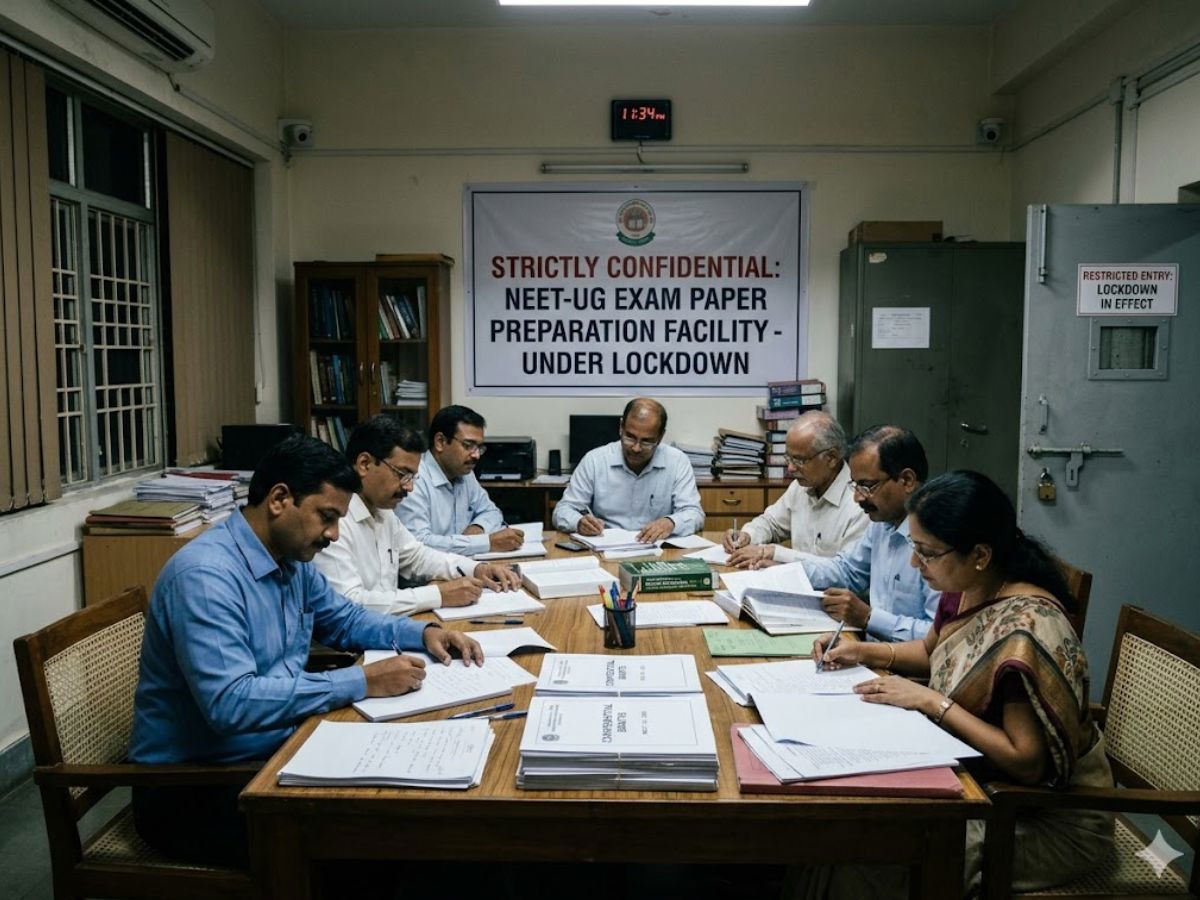
The decision to isolate NEET re-exam paper setters until June 21 stems from numerous concerns relating to the integrity of the examination process. Recent trends in technological advancements have led to heightened scrutiny over how examinations are conducted and secured. With the increasing prevalence of information leaks in various standardized tests worldwide, ensuring confidentiality of exam content has never been more crucial.
In light of previous incidents where examination materials were prematurely disclosed, educational authorities have recognized the necessity for stringent measures. Potential leaks can lead to unfair advantages for certain candidates, which undermines the principle of equality that such assessments are meant to uphold. Consequently, key stakeholders within the examination boards have deemed isolation an essential step in mitigating risks associated with content leakage.
The implications of advanced communication technologies on the security of exam papers cannot be underestimated. In recent years, there have been cases where paper setters faced undue influence from external sources, leading to compromises in the integrity of the exams. Therefore, isolating the NEET re-exam paper setters is not merely a precaution, but a proactive strategy to uphold the sanctity of the examination system.
Additionally, the measures taken highlight the commitment of educational bodies to preserve the value of the NEET examination. As a standardized test that plays a crucial role in determining admission into medical colleges, maintaining its credibility is paramount. Thus, the isolation of the paper setters is a reflection of a broader effort to address the escalating challenges posed by technological advancements and ensure the reliability of assessments moving forward.
The Isolation Process Explained
The isolation process implemented for NEET re-exam paper setters was a meticulously organized effort aimed at ensuring the integrity and confidentiality of the examination papers. Authorities recognized the critical need to shield the setters from external influences and public scrutiny. To this end, comprehensive logistical arrangements were put into place.
Pertaining to living arrangements, the paper setters were relocated to a controlled environment, where they were provided with accommodations that prioritized their safety and focus. This secluded setting was equipped with necessary amenities to foster a conducive working atmosphere while simultaneously preventing any unauthorized access. The isolation premises were monitored continuously to deter any potential breaches of protocol.
Communication restrictions were another integral component of the isolation process. Each setter was prohibited from using personal phones and internet-enabled devices. This decision sought to eliminate any possibility of leaks or unauthorized sharing of sensitive information related to the examination. Instead, communication portals were established that allowed for formal interactions, which were closely supervised by the authorities. This controlled means of communication ensured that all discussions surrounding the exam papers remained confidential and within the bounds prescribed by regulatory bodies.
Moreover, the role of educational authorities was crucial in overseeing the entire isolation regime. They implemented strict monitoring processes to evaluate the effectiveness of the isolation and adherence to established protocols. Regular assessments were conducted to ensure that the methods employed were both effective and necessary for maintaining the integrity of the examination process. The systematic approach of these measures illustrated the commitment of the authorities to uphold a fair examination standard, free from any external disturbances.
Implications for the Examination System
The recent decision to isolate NEET re-exam paper setters highlights significant implications for the broader examination system. By enforcing stringent measures, such as restricting access to communication devices until the examination dates, authorities are evidently striving to enhance the integrity and security of the examination process. These actions aim to prevent any potential leak of examination materials, ultimately reinforcing the credibility of the examination body responsible for administering NEET. Such protocols could pave the way for future examination procedures, as similar measures may be adopted across various assessments to safeguard against malpractices.
Moreover, these isolation measures may foster a perception of heightened accountability and transparency within the examination system. By demonstrating a commitment to upholding ethical standards, the authorities can bolster public trust, a crucial factor in maintaining the legitimacy of national assessments like NEET. Stakeholders, including students, parents, and educational institutions, may feel more assured of the fairness of the process, knowing that robust safeguards are in place to prevent misconduct.
However, the implementation of these isolation measures is not without its challenges. Students often express concerns regarding the fairness of examinations, particularly when perceived discrepancies or irregularities arise. To address such concerns, it is essential that the examination authorities communicate effectively with the students, outlining the steps taken to ensure a fair and unbiased assessment environment. Additionally, feedback mechanisms can be established to capture student perspectives on ongoing changes within the examination process.
Moving forward, the authorities must remain responsive to student feedback, demonstrating a commitment to evolving examination protocols while ensuring that all participants feel adequately supported throughout the process. This adaptive approach will be crucial for maintaining integrity and credibility in the examination system.
Future of NEET and Standardized Testing
The future of the National Eligibility cum Entrance Test (NEET) and standardized testing overall is increasingly shaped by growing concerns surrounding exam integrity. In light of recent incidents that have exposed vulnerabilities in examination security, educational authorities are actively exploring innovative solutions to bolster the credibility and reliability of standardized assessments. The traditional frameworks employed in administering NEET may require substantial reevaluation to adapt to the era of digital examination contexts.
One of the primary technological advancements anticipated to influence the NEET process is the incorporation of biometric verification methods. By employing fingerprint recognition or facial recognition software, examination bodies can enhance the identification of candidates, reducing instances of impersonation. Additionally, encrypted online testing platforms may emerge as viable alternatives, allowing for remotely administered assessments while utilizing advanced algorithms to secure the exam content.
Isolation measures, as seen in the recent NEET re-exams where paper setters were kept isolated until June 21, reflect a commitment to safeguarding examination integrity. However, such measures should be adaptable to encompass future alterations in the testing landscape. Expert opinions suggest that a balance must be struck between maintaining rigorous security protocols and ensuring equitable access for all candidates. Over-restrictive measures may inadvertently disadvantage those who lack resources or accessibility to technology.
Furthermore, ongoing dialogue among educational stakeholders is crucial for devising a sustainable framework that addresses the dual objectives of ensuring exam integrity and facilitating a fair assessment environment. Engaging with technology experts alongside educators will provide valuable insights to develop innovative procedures and tools that can be implemented with both effectiveness and equity in mind. As NEET evolves, it is anticipated that a combination of emerging technologies and refined procedural innovations will pave the way for a more secure examination experience.