





CBSE The Central Board of Secondary Education (CBSE) conducts the Class 12 examinations annually, which play a crucial role in determining students’ future academic pathways. Following the declaration of results, some students may feel that their marks do not accurately reflect their performance. In such cases, they may opt for the re-evaluation process. This option allows students to request a reevaluation of their answer sheets, aiming to address any discrepancies in scoring.
There are several reasons why students might seek re-evaluation. These could include doubt regarding the marking of specific answers, an unexpected drop in scores, or a desire to verify that the answer sheets were assessed thoroughly. The re-evaluation process offers students a way to ensure they receive fair treatment based on their actual performance in the examinations.
The re-evaluation process involves a series of clearly outlined steps. Initially, students need to formally apply for re-evaluation by submitting a designated application form along with the required fee. The application period typically opens shortly after the results are released and remains open for a constrained duration. It is imperative that students adhere to this timeline to ensure their requests are considered.
Eligibility criteria for re-evaluation generally stipulate that students must have appeared for the examination and received their results. Additionally, certain subjects may be exempt from this process, which students should keep in mind while applying. Past trends in re-evaluation results indicate that a small percentage of students typically see a change in their final scores, either upward or downward, which emphasizes the importance of judiciously deciding whether to pursue this course of action. This year, the situation has been intensified by the Supreme Court’s directive for timely resolution of pending re-evaluation requests, thus adding urgency to the process.
Supreme Court’s Intervention
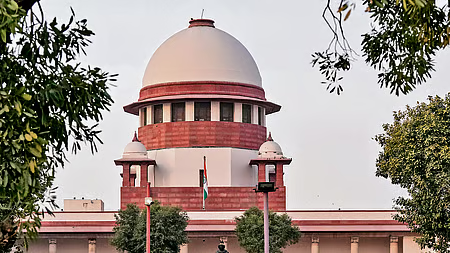
The recent intervention by the Supreme Court concerning the CBSE Class 12 re-evaluation results highlights the critical role that judicial oversight plays in the education sector. The court’s involvement was prompted by mounting grievances from students and their guardians regarding delays in the announcement of re-evaluation results, which are essential for students seeking clarity on their academic performances and potential pathways for further education.
These concerns were raised amidst a backdrop of anxiety and uncertainty, particularly for those who felt their original scores did not accurately reflect their hard work and preparation. Students argued that the prolonged wait for the results was not only causing emotional distress but also affecting their college admissions and future educational plans. As a result, the Supreme Court recognized the necessity of addressing these issues swiftly to ensure fairness and transparency in the evaluation process.
In its ruling, the Supreme Court mandated the Central Board of Secondary Education (CBSE) to expedite the re-evaluation results, setting a firm deadline for their release. This decision was grounded in the principles of justice and the need for timely information, ensuring that students would not face further delays in their academic journey. The court underscored the importance of maintaining educational integrity and accountability, emphasizing that institutions must uphold their responsibilities towards students.
The implications of this ruling extend beyond the immediate results; it sets a precedent for how educational boards handle re-evaluations in the future. Stakeholders within the education system must take heed of this development, recognizing that transparency and promptness are vital components of a fair evaluation process. By directing CBSE to comply with the established timeline, the Supreme Court has reinforced the expectation that students’ academic rights must be respected and prioritized.
Expected Timeline for Re-evaluation Results Announcement
With the Supreme Court’s directive mandating the release of the CBSE Class 12 re-evaluation results by Friday, students eagerly await the official announcement that could confirm their academic standing. This ruling has set a clear expectation for students, families, and educational institutions alike. The Central Board of Secondary Education (CBSE) is now compelled to adhere to this timeline, ensuring all stakeholders receive the information they need in a timely manner.
The re-evaluation process has been a contentious issue, with many students contesting their initial marks to secure the best possible academic outcomes. As a result, the release of the re-evaluation results is critical for those seeking to progress in their educational journeys, whether it be the pursuit of higher education or other academic opportunities. Anticipation surrounding the announcement is high, given the importance of these results to students’ futures.
It is important to note that while the Supreme Court has established this deadline, there are factors that may influence the actual timing of the release. For instance, administrative challenges within the CBSE, discrepancies in results, or unforeseen circumstances could potentially delay the process. Any such delays would likely be communicated through official channels to ensure transparency and keep students informed.
Students are advised to keep an eye on the CBSE website and other official platforms for real-time updates regarding the re-evaluation results. As the specified Friday approaches, clarity on timing should emerge, yielding important information regarding how and when students can access their revised marks. Thus, patience and vigilance are urged during this crucial period of uncertainty.
Impact on Students and Future Steps
The upcoming release of the CBSE Class 12 re-evaluation results is a critical event for countless students across India. Given the high-stakes nature of these results, the impact on students’ academic futures cannot be understated. Positive changes in grades may open up new avenues for college admissions, granting opportunities to students who may have narrowly missed their desired cutoff marks. Conversely, those who do not see a favorable outcome might face additional challenges in their higher education aspirations. Understanding these potential effects is essential for all students awaiting results.
Students should approach the announcement of results with realistic expectations. It is advisable for them to mentally prepare for all possible outcomes, including the notion that results may not reflect their hopes. Engaging in discussions with peers or academic mentors may help foster a more balanced perspective. Additionally, students can benefit from developing contingency plans that include alternative college options or career pathways should their grades not meet desired expectations.
After the release, if students find that they are dissatisfied with their re-evaluation results, it is imperative to follow a structured approach. This may involve speaking with school counselors to explore options, such as reappearing for exams or seeking additional support through remedial courses. Understanding the revised academic landscape and associated requirements will be vital. Furthermore, students should familiarize themselves with their rights and responsibilities as learners, particularly in the context of legal interventions and regulatory frameworks that govern evaluations within the education system.
On a broader scope, the Supreme Court’s directive emphasizes the significance of student rights within educational parameters. Such legal interventions not only safeguard students’ rights but may also enhance transparency and accountability among educational institutions. As the education system continues to evolve, it becomes increasingly important for students to be aware of their entitlements and the resources available to them in pursuit of academic success.