



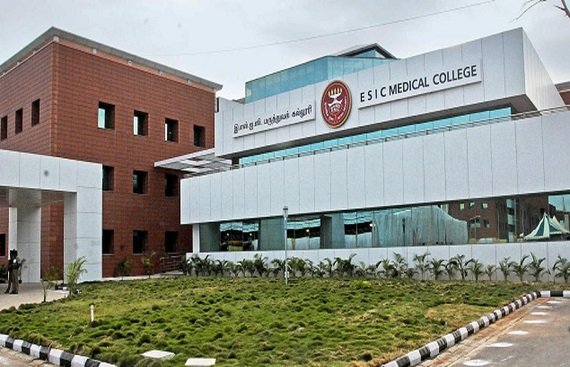
ESIC Medical Colleges : The Employees’ State Insurance Corporation (ESIC) is a statutory body established under the Employees’ State Insurance Act, 1948, aimed at providing social security and health insurance to workers and their dependents. Functioning under the Ministry of Labour and Employment, ESIC plays a pivotal role in ensuring that employees and their families receive adequate medical care, thereby promoting their overall well-being. One of the significant initiatives under ESIC is the establishment of medical colleges, which serve as a critical link between healthcare education and service delivery.
The ESIC medical colleges are designed to train the next generation of healthcare professionals to address the evolving needs of the healthcare system in India. Beyond merely educating medical students, these institutions aim to foster research and innovation in various fields of medicine. With the government’s recent decision to establish ten new ESIC medical colleges, the emphasis on enhancing healthcare education continues to grow. Currently, there are several ESIC medical colleges across the country which have made remarkable strides in contributing to the medical education landscape and improving healthcare services.
These existing colleges not only provide quality education but also cater to the healthcare needs of insured workers and their families by offering affordable medical services. The integration of practical training and research opportunities within these institutions reinforces the commitment of ESIC to uphold high standards of medical education while ensuring accessibility to healthcare services for the working population. As this initiative unfolds with the introduction of new colleges, ESIC aims to expand its influence, thus solidifying its role in shaping the future of healthcare in India.
Significance of Setting Up New Colleges : ESIC Medical Colleges
The establishment of 10 new ESIC medical colleges represents a critical development in the landscape of healthcare education in India. With a rising population and an increasing demand for quality medical services, the need for more medical professionals has never been more pressing. Currently, the country faces a shortage of qualified healthcare practitioners, particularly in underserved areas. By creating additional medical colleges, the government aims to address this gap, thereby enhancing the overall capacity of the healthcare workforce.
These new colleges will not only provide undergraduate and postgraduate medical education but also contribute significantly to the training and specialization of healthcare professionals. The curriculum established in these institutions is expected to reflect contemporary medical practices and research advancements, ensuring that students are well-equipped to meet the challenges of modern healthcare delivery. The focus on practical training and real-life scenarios will further enhance the quality of education and prepare students for the rigors of the healthcare environment.
Moreover, the creation of these medical colleges is anticipated to improve access to medical services for the insured population under the Employees’ State Insurance Corporation (ESIC) scheme. By increasing the number of educated professionals, these colleges can help expand the availability of healthcare services, reducing waiting times, and improving patient outcomes. This aligns seamlessly with the government’s broader objectives of enhancing healthcare accessibility and equity across the nation.
Ultimately, this initiative is poised to influence the future of medical education significantly. It underscores the government’s commitment to strengthening public health systems and ensuring that the healthcare workforce is adequately trained to deliver high-quality services. As these colleges come into existence, they not only represent a response to current needs but also a proactive step towards building a healthier nation. In conclusion, the establishment of these ESIC medical colleges could play a pivotal role in transforming India’s healthcare education and services landscape.
Locations and Funding for the New Medical Colleges
The establishment of ten new ESIC medical colleges is a significant advancement in India’s healthcare education system, aiming to enhance the quality of medical training across the nation. The government has meticulously selected locations that not only meet educational needs but also cater to geographical disparities in healthcare access. Regions identified for these new medical colleges include areas with limited healthcare infrastructure, thus facilitating the development of local medical professionals and addressing community health issues.
Strategically, these colleges will be situated in diverse locations, catering to areas such as rural and under-served urban regions, which generally lack adequate medical facilities. By positioning medical colleges in these locations, the government aims to boost healthcare services, attract aspiring medical students from various backgrounds, and create a more equitable healthcare landscape. The initiative underscores the government’s commitment to bringing healthcare education closer to the communities that need it the most, thereby improving regional health outcomes over time.
As for funding, the new ESIC medical colleges will benefit from a combination of governmental budget allocations and potential partnerships with private entities. The government plans to allocate significant resources, which will cover infrastructure, faculty hiring, and educational materials. Additionally, local governments and administrative bodies are expected to contribute in terms of resources and support. This funding model is anticipated to stimulate local economies by creating jobs not only within the colleges but also in the broader healthcare sector, from clerical positions to specialized medical staff.
This influx of funding and educational focus is set to generate a positive ripple effect in the community, enhancing not just medical education but also ensuring that local health care systems become more resilient and effective. In essence, the establishment of these medical colleges represents a strategic investment in both healthcare education and regional health advancement, promising long-term benefits for both the professions and the communities served.
Challenges and Future Prospects : ESIC Medical Colleges
The establishment of ten new ESIC medical colleges represents a significant step towards advancing healthcare education in India. However, several challenges may arise during the implementation phase, which could hinder the benefits anticipated from this initiative. One of the primary challenges is staffing. Recruiting qualified faculty who possess both teaching credentials and clinical experience is essential to maintain high educational standards. The competition for skilled educators in the medical field might complicate this task. Consequently, this may lead to delays in the launch of these institutions or affect the quality of education provided.
Resource allocation also poses a critical challenge. The new colleges must efficiently manage financial resources, infrastructure, and equipment to offer comprehensive medical training. Investment in state-of-the-art facilities is required to ensure that students acquire practical skills relevant to current medical practices. Additionally, integration into the existing healthcare system will be vital. These colleges should collaborate with nearby hospitals and established healthcare facilities to provide students with hands-on training. Without such integration, graduates may face difficulties transitioning into the healthcare environment, thus affecting post-graduation employment rates.
Despite these challenges, there are numerous future prospects for the new ESIC medical colleges. Innovations in medical training, such as the incorporation of digital technologies and simulation-based learning, could significantly enhance educational outcomes. Furthermore, potential collaborations with international medical institutions can provide exchange programs and research opportunities that will help students gain a global perspective. The overall impact of the establishment of these medical colleges has the potential to reshape India’s healthcare landscape by producing skilled professionals capable of addressing the growing healthcare needs of the population. With the right strategies, the challenges can be managed effectively, paving the way for a prosperous future in medical education.