






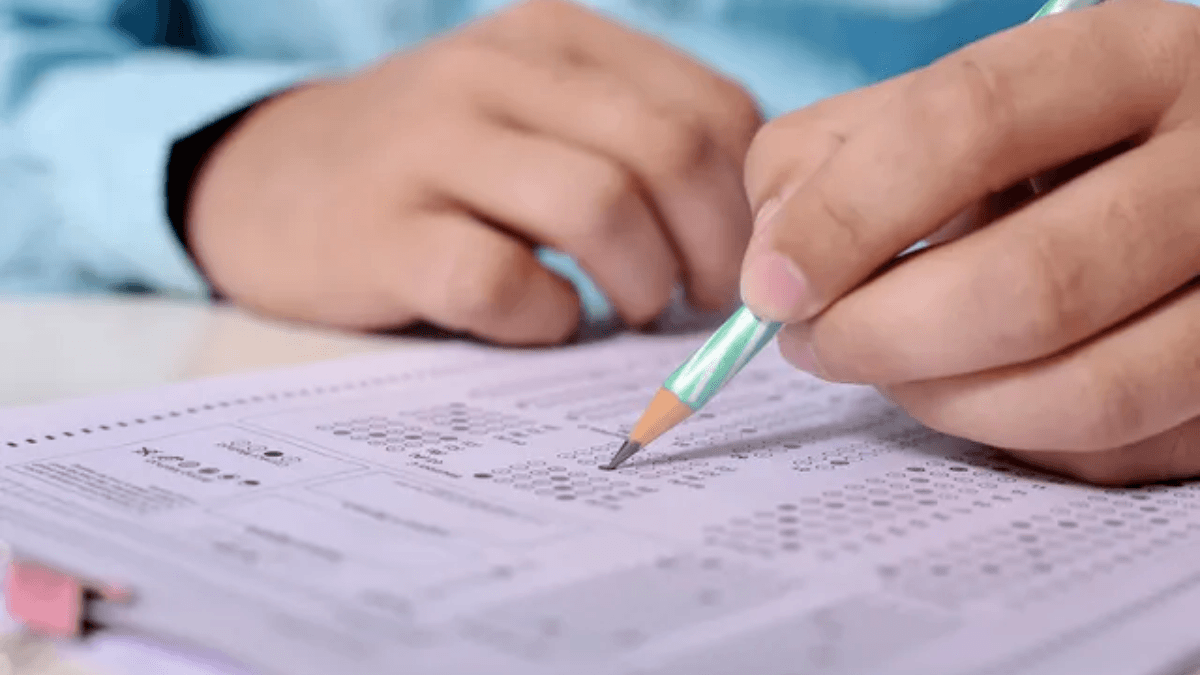
The Central Board of Secondary Education (CBSE) is a premier educational institution in India that plays a crucial role in the country’s education system. Established in 1962, it is responsible for conducting examinations for Class 10 and Class 12 across various schools affiliated with it. The CBSE examinations are a significant milestone for students, marking their academic progress and paving the way for higher education opportunities.
In West Asia, the CBSE examinations cater to a substantial number of Indian students residing in countries such as the United Arab Emirates, Saudi Arabia, Kuwait, and Qatar. According to recent data, approximately 1.5 lakh students are prepared to sit for these examinations each year in this region. The relevance of these exams extends beyond merely completing secondary education; they serve as a pathway to college admissions in India as well as abroad, making them crucial for academic and professional aspirations.
Typically, the CBSE Class 10 and Class 12 examinations are conducted annually in March, allowing students ample preparation time after their academic year. The structured examination system evaluates students on a range of subjects, including core subjects like Mathematics, Science, and English, along with electives specific to their chosen streams. The results of these examinations are eagerly anticipated, as they significantly influence students’ academic futures.
The postponement of these examinations in West Asia due to various unforeseen circumstances has raised concerns among students and parents alike. It is imperative to recognize that the CBSE is dedicated to maintaining the integrity and standard of examinations despite such challenges, ensuring that the assessment process remains fair and consistent for those affected.
Reasons for Postponement
The Central Board of Secondary Education (CBSE) has officially announced the postponement of Class 10 and Class 12 examinations in West Asia. This decision was primarily influenced by multiple factors aimed at safeguarding the well-being of students. Among the foremost reasons cited was the concern for safety linked to prevailing local circumstances. In regions facing geopolitical tensions or uncertainty, the risk to students’ safety escalates, necessitating a cautious approach to conducting examinations.
Furthermore, the continued effects of the COVID-19 pandemic remain a significant consideration. Although vaccination drives and health protocols have improved situations in many areas, the board must remain vigilant about the potential for sudden outbreaks or local restrictions that could disrupt the examination process. Thus, the postponement serves as a preventive measure to ensure that students are not subjected to undue stress during a situation that is still evolving.
In addition, logistical challenges are another crucial aspect leading to the board’s decision. These may encompass difficulties in administering examinations under normal conditions, such as ensuring adequate staffing, resources, and accommodations needed to maintain health and safety protocols. The possibility of disruptions due to last-minute changes in the local context also played a part in this announcement.
Ultimately, CBSE’s decision underscores its commitment to prioritizing the health and safety of students amid varying external pressures. While the postponement may bring about uncertainties regarding new examination dates, it reflects an understanding of the current environment and a proactive approach to ensure that students are able to sit for their exams in a secure and conducive environment.
Impact on Students and Parents
The postponement of the CBSE Class 10 and 12 examinations in West Asia has led to a variety of immediate effects on students and parents. In this uncertain scenario, students are likely experiencing heightened levels of stress and anxiety as the wait for new examination dates continues. This prolonged uncertainty disrupts their academic momentum, creating emotional turmoil, uncertainty, and pressure to adapt to changing schedules.
For many, the preparations for these crucial examinations were a source of focus and organization; now, this has been thrust into a state of flux. The emotional implications cannot be understated; students and their families may feel a combination of disappointment and confusion. Parents, equally affected, may struggle to provide the reassurance and support needed, added by the nuances of managing expectations and maintaining a conducive study environment at home.
In such challenging times, it is crucial for students to find a balance that assists in managing their time effectively despite the unpredictability of the situation. Emphasizing the importance of mental health is paramount. Students are encouraged to develop a flexible study schedule that accommodates breaks and relaxation techniques, such as meditation or physical activity. These practices can help alleviate stress and maintain a positive mindset amid uncertainty.
Establishing communication lines with teachers and peers can also enhance learning opportunities. Students should take advantage of online resources and study groups to keep their academic skills sharp. Utilizing this waiting period wisely could transform potential setbacks into opportunities for personal and academic growth. By adopting a proactive approach to their studies and emotional well-being, students can navigate this unexpected delay with resilience and fortitude.
Official Responses and Future Plans
The Central Board of Secondary Education (CBSE) has issued an official statement regarding the postponement of Class 10 and 12 exams in West Asia, emphasizing its commitment to ensuring the safety and well-being of students. Educational authorities have indicated that the decision was made after careful consideration of the prevailing circumstances, including any regional unrest or health-related concerns that could affect student participation.
In light of these developments, CBSE officials have assured students and parents that they are actively working on rescheduling the postponed examinations. While specific dates have yet to be announced, the board is aiming to create a flexible schedule that accommodates all stakeholders involved. Students have been advised to regularly check the official CBSE website and their local educational institution’s notifications for updates on new examination dates.
As part of the new examination formats, there may be adjustments in evaluation methods to facilitate greater accessibility, such as online options or alternative assessment strategies. Educational authorities are also considering feedback from teachers, students, and parents to ensure that the upcoming examinations are fair and representative of the curriculum expectations.
In addition, many other educational institutions in West Asia have begun to assess the impact of the CBSE’s decision. Schools affiliated with CBSE in the region are adopting similar postponement measures where appropriate and are providing support to students in preparing for the revised examination timeline. Guidance on study resources and strategies is being shared, aiming to help students maintain focus during this unforeseen period.
Ultimately, CBSE and affiliated schools are committed to prioritizing student welfare while facilitating a smooth transition to the alternate examination schedule, fostering a resilient educational environment amid challenges.