



Supreme Court Ruling Widens : The National Eligibility cum Entrance Test (NEET) is a pivotal examination in India, serving as the gateway for students aspiring to pursue undergraduate medical courses. Introduced in 2013, NEET replaced multiple entrance examinations, mandating a unified assessment for all aspiring medical and dental students across the country. This approach aimed to streamline the admission process and maintain a standard level of competence among candidates. However, the implementation of NEET has faced significant opposition, particularly from Tamil Nadu, where concerns about its fairness and accessibility have been voiced.
Tamil Nadu’s demand for exemption from NEET is deeply rooted in historical, social, and political contexts. The state has a unique educational ecosystem and a long-standing tradition of providing medical education through its own entrance examinations. Many argue that NEET disproportionately affects students from the region, especially those from disadvantaged backgrounds who may lack access to quality preparatory resources. The perception is that NEET favors students from urban, affluent environments, thereby marginalizing rural and less privileged candidates.
Over the years, the Tamil Nadu government has advocated for its students, highlighting how NEET contradicts the state’s efforts to ensure equitable access to medical education. Various legislative measures and protests have been employed, and prior to the Supreme Court ruling, the state’s attempts to make NEET optional were met with resistance from the central government and judicial bodies. Previous efforts included the introduction of bills aimed at preserving the autonomy of state-level entrance examinations. These efforts underline the ongoing struggle between preservation of local educational frameworks and the central government’s standardization policies. The dynamics of this conflict reveal the complexities surrounding NEET and the aspirations of the Tamil Nadu populace for a just educational landscape.
Details of the Supreme Court Ruling
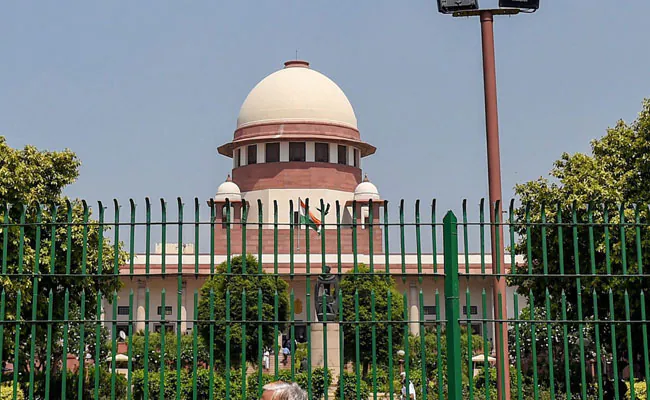
The recent Supreme Court ruling regarding the National Eligibility cum Entrance Test (NEET) has significant implications for Tamil Nadu and its stance on educational access. In a pivotal decision, the Court upheld the state government’s position to seek an exemption from NEET, asserting that the examination constitutes a barrier that disproportionately affects students from Tamil Nadu. The ruling highlights a growing concern among the judiciary regarding the uniformity of entrance exams, particularly in states with different educational backgrounds and socioeconomic contexts.
The justices expressed their opinions with a notable sense of urgency, indicating that stringent entrance qualifications such as NEET could undermine local aspirations for educational equity. Justice X noted that “while standardized tests can contribute towards uniformity, they must not obstruct educational opportunities for those who might not excel in such formats.” This remark encapsulates the crux of the dissenting opinions that surfaced during the deliberations. A substantial concern raised was that NEET inadvertently prioritizes candidates from urban backgrounds who often have access to better preparatory resources.
Additionally, the ruling indicates a shift in judicial perspectives towards more adaptable educational policies that consider regional disparities. The Court’s analysis reflects a deeper recognition of the context in which students operate, emphasizing that educational access should be tailored to the diverse needs of the student population. Dissenting opinions, however, cautioned against completely discarding standardized assessments, arguing that they serve as an essential tool for maintaining academic rigor. The balancing act between preserving educational standards and ensuring equitable access remains a key issue that this ruling brings to the forefront.
In light of these developments, the ruling not only reshapes the landscape of medical admissions in Tamil Nadu but may also signal similar judicial trends across India, advocating for a more inclusive approach to educational access in future legal interpretations.
Reactions from Tamil Nadu Politicians and Education Advocates
The recent Supreme Court ruling regarding the National Eligibility cum Entrance Test (NEET) has elicited a variety of reactions from Tamil Nadu politicians and education advocates, highlighting a significant turning point in the ongoing discourse surrounding educational policies in the state. DMK MP P Wilson has been particularly vocal in his support for the ruling, expressing optimism about the potential changes it may bring to the educational landscape. Wilson emphasized that this decision could empower the state to pursue educational reforms aligned with local needs, thereby reducing the undue pressure placed on Tamil students.
In his statements, Wilson articulated concerns regarding the implications of NEET on the diversity and accessibility of medical education in Tamil Nadu. He asserted that the continued implementation of NEET has adversely affected students from rural backgrounds, limiting their opportunities to pursue medical degrees. The MP believes that the Supreme Court’s decision to widen the scope for NEET exemptions represents a much-needed recognition of regional nuances in education, fostering inclusivity and equity in the admissions process.
Responses from education advocates have also emerged in light of this ruling. Stakeholders from various civil society groups have echoed Wilson’s sentiments, advocating for a holistic approach to medical admissions that considers the socioeconomic contexts of students. Many have underscored the necessity of policies that prioritize local merit and educational frameworks, which can nurture homegrown talent without the over-reliance on standardized tests like NEET. This diverse array of opinions illustrates the multifaceted implications of the ruling, suggesting that its influence may reach far beyond mere examination practices to touch on deeper issues of accessibility and equity in education.
Implications for Future Policy and Educational Access in Tamil Nadu
The recent Supreme Court ruling concerning the National Eligibility cum Entrance Test (NEET) has significant implications for educational policy and access to medical education in Tamil Nadu. This landmark decision may catalyze a transformation within the state’s approach to medical admissions, influencing both legislative proposals and the broader educational landscape. Policymakers in Tamil Nadu may now feel emboldened to reconsider existing frameworks that govern NEET and explore state-specific alternatives to address local needs.
By potentially enabling exemptions from NEET, this ruling raises crucial questions about educational equity and accessibility. It highlights ongoing debates surrounding the systemic barriers faced by marginalized communities within the Tamil Nadu educational system. By allowing for more tailored approaches to medical admissions, legislators may craft policies that foster inclusion and ensure that students from diverse backgrounds are represented in medical education. This can significantly enhance the quality of healthcare services provided in the region, as a more representative medical workforce is better equipped to understand and address the specific health challenges facing local populations.
Moreover, the implications of the ruling extend beyond immediate policy changes; they may also influence the long-term structure of medical training programs in Tamil Nadu. By shifting the focus from a centralized entrance examination to more locally relevant admission processes, stakeholders can prioritize student preparedness and holistic evaluation criteria. This could ultimately lead to improved outcomes for medical students and the patients they serve. The ripple effects may also inspire similar movements in other states, challenging the NEET framework while striving for a more equitable education system across India.