
The National Eligibility cum Entrance Test for Undergraduate (NEET-UG) holds substantial significance in India as the primary entrance examination for aspiring students seeking admission to medical and dental colleges. This examination serves as a common gateway, ensuring that the selection process for these highly sought-after courses is standardized across the nation. Conducted by the National Testing Agency, NEET-UG evaluates candidates on their understanding of essential subjects such as Physics, Chemistry, and Biology, determining their suitability for medical and dental education.
One of the core objectives of NEET-UG is to promote inclusivity within the educational system, allowing all deserving candidates to pursue their academic aspirations, including those with disabilities. Accessibility is a critical factor in ensuring fair opportunities for these students. This examination’s design must accommodate the unique challenges faced by candidates with disabilities, thereby ensuring that the evaluation process remains equitable. The significance of this inclusivity is heightened in the context of the Supreme Court’s ongoing efforts to address and improve disability verification methods related to NEET-UG.
The need for accessible examination protocols transcends mere compliance with legal mandates; it reflects a broader commitment to fostering diversity in the healthcare profession. By addressing the barriers that candidates with disabilities encounter, NEET-UG can uphold its promise of being an equitable platform where all candidates, irrespective of their physical challenges, can compete on equal footing. This creates a conducive environment for nurturing future medical professionals who not only possess the requisite knowledge but also embody the ethos of empathy and understanding fundamental to the healthcare sector.
Current Verification Process for Candidates with Disabilities
The National Eligibility cum Entrance Test for Undergraduate (NEET-UG) serves as a critical gateway for aspiring medical students in India. Within this examination, candidates with disabilities are required to undergo a specific verification process to confirm their eligibility for various accommodations or provisions as outlined by the examination authorities. This verification is crucial as it determines the extent of support that these candidates will receive during the examination.
The existing verification process typically necessitates that candidates provide documented proof of their disabilities. This documentation generally includes medical certificates and possibly a detailed report from qualified professionals who specialize in disability assessment. Candidates must present this information to the examination authorities before being granted any necessary accommodations, such as extra time, the provision of a scribe, or a separate examination room.
However, the current procedure poses several challenges for candidates with disabilities. One significant concern is the variability in documentation standards across different healthcare facilities. Many candidates may struggle to obtain the required medical certificates in a timely manner due to bureaucratic hurdles or limited access to healthcare professionals. Furthermore, the inability to present adequate documentation could result in candidates being denied appropriate accommodations, which can significantly impact their performance on the exam.
Additionally, the current verification process might not fully account for the diverse range of disabilities that candidates may face. This lack of a comprehensive understanding can lead to inconsistent accommodations, thereby inadequately addressing individual needs. As a result, there is an increasing call for alternative verification methods that could streamline this process while ensuring that all candidates with disabilities receive the requisite support during their examinations.
Supreme Court’s Role and the Impact of the Petition
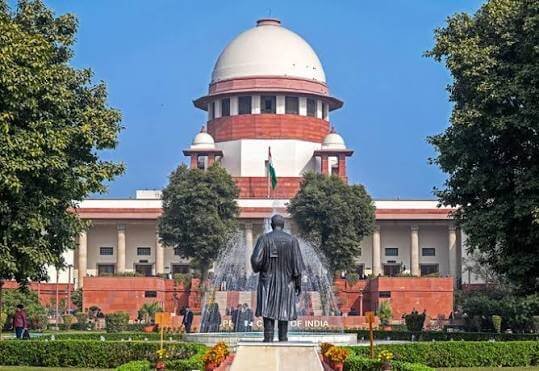
The Supreme Court of India has been called upon to adjudicate a significant petition concerning the verification methods employed for candidates with disabilities in the National Eligibility cum Entrance Test for Undergraduate programs (NEET-UG). This case raises critical questions about the accessibility and inclusiveness of the examination process, specifically regarding how candidates with disabilities are assessed and recognized within the academic framework of medical education.
This petition emerges from a growing concern among various stakeholders, including advocacy groups for persons with disabilities, that the current verification methods may not adequately accommodate the unique needs of these candidates. By addressing the legitimacy of the testing processes, the Supreme Court is not merely interpreting laws; it is also influencing how educational institutions approach equity and inclusion.
The potential ramifications of this petition are profound. Should the Supreme Court lean in favor of alternative verification measures, it could lead to a reformation of policies affecting countless candidates, ensuring that those with disabilities are not unfairly disadvantaged in their quest for medical education. Moreover, this decision may also set a precedent for other competitive examinations in India, encouraging a systemic shift towards more inclusive practices.
On a broader scale, the court’s ruling could enhance public awareness about the challenges faced by individuals with disabilities in academic and professional fields. The implications extend beyond NEET-UG, as they highlight the importance of equitable treatment for all candidates, reaffirming the need for a fair and just examination system.
In conclusion, the Supreme Court’s involvement in this case represents a pivotal moment for candidates with disabilities in India, with the potential to reshape not just NEET-UG policies, but also the broader discourse surrounding the rights and accommodations necessary for equitable access to education.
Future Directions for Inclusivity in NEET-UG
The upcoming Supreme Court hearing regarding the NEET-UG disability verification methods holds significant potential to reshape the approach towards inclusivity in educational assessments. As discussions continue, it is essential to contemplate the implications of potential outcomes and their impact on candidates with disabilities. The current verification methods may inadvertently create barriers, undermining the aim of fostering an equitable environment in education.
Should the Supreme Court propose modifications to the verification processes, we could witness a more significant commitment to accessibility within the NEET-UG framework. This could involve the introduction of standardized, user-friendly verification procedures that take into account the diverse needs of candidates. By ensuring that these procedures are attuned to accommodate various disabilities, the NEET-UG could pave the way for increased participation from underrepresented groups.
Moreover, any changes in verification methods must closely align with broader educational reforms aimed at promoting equity. Enhancing accessibility requires a holistic approach that encompasses not only the examination process but also the resources and support systems available to candidates with disabilities throughout their educational journey. Integrating assistive technologies and providing tailored support services could significantly enhance the experience and performance of these candidates.
Furthermore, fostering collaboration between educational institutions, disability advocacy groups, and policymakers will be crucial. This partnership can ensure that the new verification methods are effectively implemented and continuously refined based on feedback from stakeholders. Ultimately, the Supreme Court’s ruling could serve as a catalyst for significant change, promoting a more inclusive landscape within higher education. Such advancements may not only facilitate fairer opportunities for candidates with disabilities but could also inspire other assessments to adopt similar inclusive practices.
In conclusion, the anticipated hearing by the Supreme Court presents an opportunity to re-evaluate and enhance the NEET-UG examination’s inclusivity standards. By embracing changes that prioritize accessibility, we can advance educational equity for all students, thereby laying the groundwork for a more just academic landscape.