
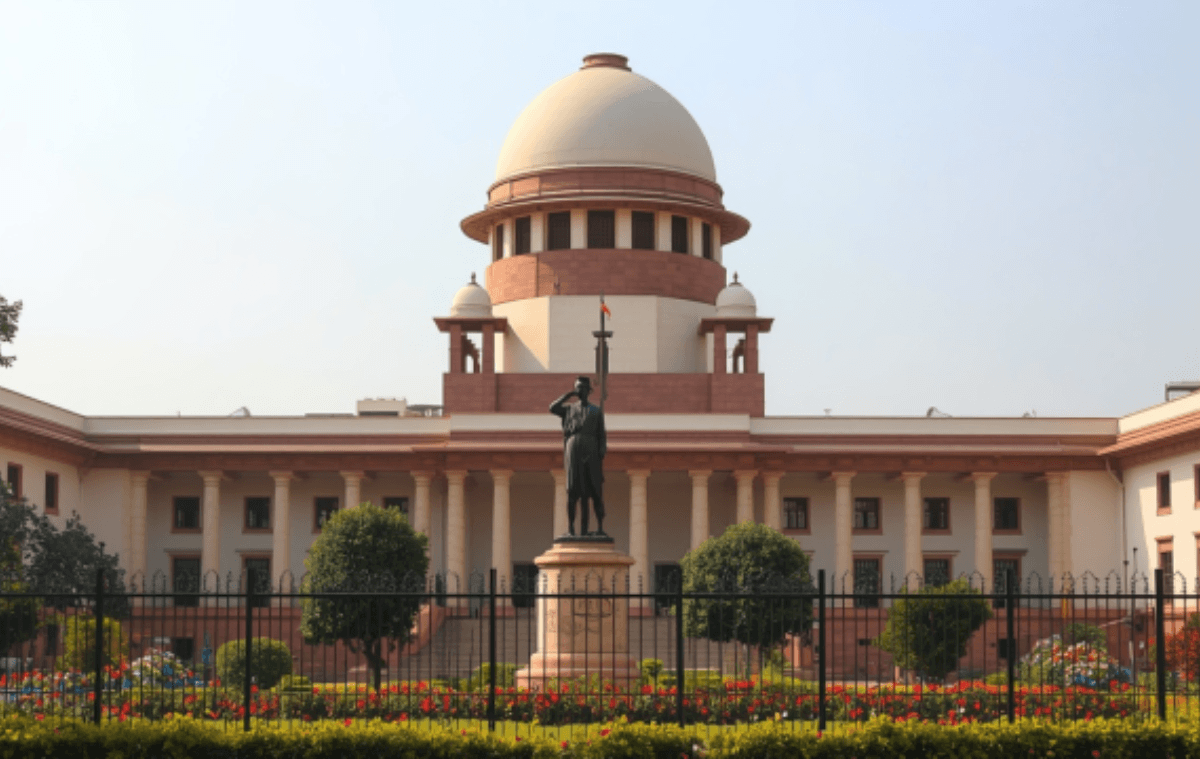
The Supreme Court’s ruling regarding the CBSE Class XII answer sheets emerged from a complex backdrop involving the academic year impacted by the COVID-19 pandemic. In 2021, the Central Board of Secondary Education (CBSE) had to contend with unprecedented challenges as it navigated the examination processes for class XII students. Given the disruptive nature of the pandemic, the board opted to cancel the traditional examinations and instead devised an alternative assessment method to evaluate student performance. This decision, while aimed at ensuring fairness and safety, raised significant concerns among students and parents about the accuracy and reliability of the assessment.
As the academic year drew to a close, numerous students felt the need to reassess their grades based on the assessment criteria implemented by the board. Many believed that their academic opportunities and future prospects hinged on achieving satisfactory results that reflected their true capabilities. Consequently, a significant number of students petitioned the Supreme Court, requesting the reopening of the portal for re-evaluation of their answer sheets. The move was predicated on ensuring that the assessment process could be more transparent and just, considering the unique challenges posed by the pandemic.
The Supreme Court took cognizance of these appeals, highlighting the paramount importance of quality education and the integrity of the evaluation process. The court’s deliberation centered around how the CBSE managed the examination processes under extraordinary circumstances and the implications of its decisions on students’ futures. The ruling ultimately reflected a balancing act between administrative procedures and the rights of students seeking fairness. As the situation evolved, it became clear that the resolution of this case would set a significant precedent for future examinations and assessments undertaken by educational boards across the country.
Details of the Supreme Court’s Ruling
The Supreme Court recently delivered a significant ruling regarding the Central Board of Secondary Education (CBSE) and its handling of Class XII answer sheets. The court refused to reopen the portal for students seeking to challenge their examination results. This decision is based on several legal principles and procedural considerations that the court deemed essential in maintaining the integrity of the educational framework.
One of the core reasons for the refusal was the court’s emphasis on the importance of adhering to established deadlines and procedural norms set by educational authorities. The Supreme Court articulated that reopening the portal would compromise the certainty and efficiency that is crucial in educational governance. Allowing late submissions could not only disrupt the examination process but could also set a precedent that undermines the authority and decisions made by the CBSE.
Additionally, the court highlighted the necessity for a balance between student rights and the operational capabilities of educational institutions. While students certainly have the right to contest their evaluations, this right must be exercised within fair and reasonable limits. The judgment clarified that educational institutions must be allowed to conduct their processes without encountering continuous interruptions, which could lead to administrative chaos.
The implications of this decision extend beyond the individual cases of affected students. The ruling reinforces the principle that students are expected to adhere to guidelines provided by educational authorities, thus advocating for responsibility and accountability in the educational landscape. Furthermore, the court reiterated that while student grievances must be addressed, such resolutions must conform to legal standards and procedural fairness.
In conclusion, the Supreme Court’s ruling illustrates the delicate balance between student rights and the governance of educational institutions. The decision serves as a reminder of the necessity for educational bodies to maintain order and structure while also considering the rights and grievances of students in a judicious manner.
Impact on Students and Educational Institutions
The recent Supreme Court ruling regarding the re-evaluation of CBSE Class XII answer sheets has significant implications for students and educational institutions alike. For students, the decision is a pivotal moment as it defines the contours of fairness and transparency in the examination process. Many students who previously felt disenfranchised by the evaluation system now possess a legal avenue to contest their results, potentially altering their academic trajectories.
This ruling is particularly impactful for those students striving for higher education opportunities, where each mark can be crucial. The ability to seek re-evaluation enables a more equitable assessment system, wherein students can ensure their performance accurately reflects their understanding. This measure may also alleviate some anxiety surrounding exam results, as students gain confidence in their ability to contest discrepancies.
Furthermore, the Supreme Court’s decision compels educational institutions to reevaluate their assessment and grading practices. Schools and colleges may need to adapt their strategies to incorporate more transparent evaluation methods, ensuring they are compliant with judicial mandates. This could lead to an overhaul of existing processes, offering a more robust framework for student assessments.
Additionally, the ramifications of this decision might extend to the CBSE itself. The board may experience increased scrutiny and pressure to enhance its evaluation procedures, ensuring accuracy and reliability. As a result, reforms could be initiated that not only uphold the integrity of the examination process but also inspire confidence among students and parents alike.
Moreover, a shift towards more accountable and responsive educational practices could foster an environment of trust, essential for nurturing future generations of scholars. In conclusion, the Supreme Court’s ruling creates a platform for improved educational standards, benefiting students and institutions, and ensuring a fair assessment landscape within the CBSE framework.
Reactions and Opinions from Stakeholders
The Supreme Court’s recent decision concerning the examination answer sheets of CBSE Class XII has elicited a diverse range of reactions from various stakeholders, each expressing their perspectives and concerns about the ruling. Students, parents, educators, and legal experts have shared their opinions, highlighting the broad implications of the verdict on the educational landscape in India.
Students have voiced a mix of relief and apprehension. Many are relieved that the court emphasized the importance of transparency and fairness in evaluation. However, some students worry that the decision may lead to changes in assessment practices that could complicate future examinations or affect the grading process. The uncertainty surrounding the enforcement of the ruling has sparked discussions among students about how this might impact their academic progression.
Parents have been equally vocal, with many expressing concerns about the implications for their children’s education. Some parents commend the Supreme Court for prioritizing fairness, believing that it will instill a sense of accountability in educational institutions. Others, however, fear that the ruling could lead to additional bureaucratic hurdles, complicating an already challenging examination process. They express a desire for clarity and a smooth transition as schools adapt to the possible changes in evaluation.
Educators have chimed in with their viewpoints on how the ruling might affect teaching and assessment methodologies. Many teachers support the court’s decision, viewing it as a necessary step toward reforming outdated practices. They emphasize the need for a robust evaluation system that accommodates diverse learning styles. Conversely, some educators express skepticism about the feasibility of implementing the changes mandated by the court without adequate training or support.
Legal experts have weighed in on the ruling’s broader implications for educational policies. They argue that this decision could set a precedent for future cases involving educational justice and transparency. Some believe it is an essential move toward ensuring that all students receive fair treatment, while others caution that it may lead to an influx of legal challenges concerning evaluations and grading processes.
Overall, the Supreme Court’s decision has sparked a multifaceted dialogue about fairness, transparency, and accountability within India’s educational framework, indicating that considerable changes might lie ahead in how students are assessed.