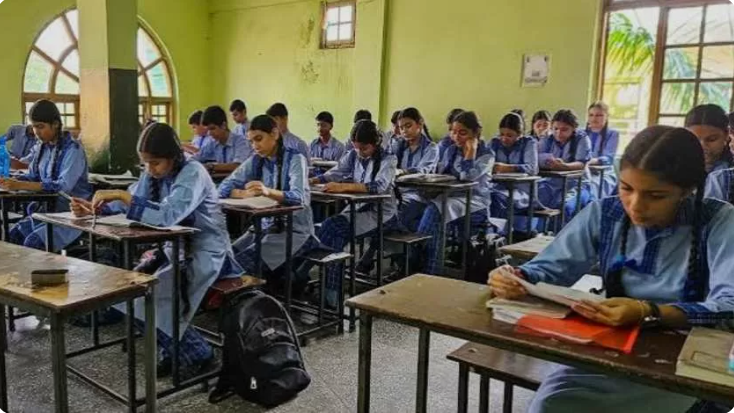





Class 6 The Central Board of Secondary Education (CBSE) three-language policy was introduced with the aim of promoting multilingualism and ensuring that students receive a comprehensive language education. This policy mandates that students study three languages throughout their academic journey, with the intention of fostering linguistic diversity and enhancing cognitive, cultural, and social skills.
Historically, the policy was implemented to address the linguistic diversity within India, a country with numerous languages and dialects. The three-language formula encourages learners to engage with their mother tongue, Hindi, and English or any regional language. Consequently, this approach aims to instill a sense of national integration while also recognizing the importance of regional languages.
Significantly, the objectives of the CBSE three-language policy extend beyond mere language acquisition. The policy is designed to support cultural literacy (Class 6) by enabling students to appreciate and understand different languages and their associated cultures. By learning multiple languages, students are better equipped to communicate in a diverse society, which is a crucial skill in today’s globalized world.
Moreover, students who attain proficiency in a variety of languages have shown increased cognitive advantages, including improved memory and problem-solving skills. Additionally, exposure to multiple languages in formative years aids in better understanding of linguistic structures, thus enhancing overall learning outcomes.
The significance of this policy within the Indian education system cannot be overstated. By mandating the learning of three languages, the CBSE seeks to create a generation of students who are not only linguistically skilled but also culturally aware. The three-language policy, therefore, plays a pivotal role in developing well-rounded individuals who can excel in a multicultural environment.
Current Developments Regarding Class 6 Exemption
Recently, the Supreme Court of India has made a significant request to the central government, urging the consideration of exempting Class 6 students from the stipulations of the three-language policy as they navigate their academic year. This development is crucial as it directly impacts both students and educational institutions, particularly in light of ongoing discussions surrounding curricular structure and language acquisition methodologies. The request highlights a growing recognition of the varied linguistic backgrounds of students, which presents challenges in enforcing a uniform language policy across the nation.
Educational authorities have been vocal about the necessity of adapting educational frameworks to ensure that students can flourish in their studies. In response to the Supreme Court’s note, various officials have articulated concerns regarding the implementation of the three-language formula, suggesting that it might not be in the best interest of students at this formative stage. The rationale behind the request stems from observations that some students struggle with learning three languages simultaneously, possibly affecting their comprehension and overall academic performance. As schools strive to cater to diverse linguistic needs, this exemption may enable institutions to focus on tailored language instruction, thereby enhancing students’ engagement and learning outcomes.
The implications of this exemption extend beyond individual students; they also affect teachers and the broader educational system. By allowing Class 6 students to be exempted from the language policy for this academic year, teachers may have the opportunity to refine their teaching strategies, focusing more intensively on fewer languages at a time, which could lead to more effective instruction. Furthermore, schools may need to adapt their curriculum accordingly, ensuring all other subjects remain accessible to students who may not yet be proficient in their prescribed languages. Therefore, the Supreme Court’s request serves as a pivotal turning point in the ongoing discussion surrounding language education in India, emphasizing the need for flexibility within the educational framework.
Potential Impacts on Students and Education System
The decision to exempt Class 6 students from the CBSE Three-Language Policy has raised various concerns regarding its potential impacts on students and the broader educational landscape in India. At the crux of this discussion is the intersection of language skills and cultural literacy, both of which play a significant role in a child’s overall educational experience.
By allowing an exemption from the three-language requirement, it is possible that students might experience a decline in their proficiency in multiple languages. The early years of education are critical for language acquisition, and exposure to several languages fosters cognitive flexibility and improved communication skills. This exemption could inadvertently narrow the linguistic horizon for young learners, who might miss developing the ability to switch between languages seamlessly—a skill increasingly vital in a multicultural society.
Moreover, the understanding of various cultures intertwined with language learning may diminish. In Indian society, where linguistic diversity reflects rich cultural tapestry, learning multiple languages often cultivates greater empathy and awareness of different ways of life. The removal of this requirement might lead to a more homogeneous educational experience, thus limiting students’ exposure to diverse perspectives necessary for holistic development.
Additionally, from an educational policy perspective, exempting Class 6 students could signal a shift in the priorities of the education system. This change could strain the efforts made by educational institutions toward multilingual proficiency, thereby affecting curriculum design and teaching methodologies. Teachers may need to adapt lessons to accommodate reduced language instruction, possibly compromising the quality of education.
In essence, while the intention behind this exemption might be to alleviate stress among students, the broader implications for language skills, cultural comprehension, and educational frameworks should be carefully considered. The future efficacy of this policy will ultimately depend on how it aligns with the goals of an inclusive and holistic educational experience for all students.
Future Considerations and Policy Recommendations
The recent decision to exempt Class 6 students from the CBSE Three-Language Policy presents significant implications for the education sector. As stakeholders reflect on this development, it is imperative to consider future language policy reforms that align with the evolving educational needs of students. The exemption calls for a re-evaluation of existing frameworks to ensure that they adequately support the diverse linguistic backgrounds of learners in India.
Firstly, language policy must prioritize the cognitive and cultural benefits associated with multilingual education while recognizing the challenges some students face when learning multiple languages simultaneously. Educational authorities should explore tailored language programs that emphasize mastery of one or two languages rather than strict adherence to a three-language model. Such an approach can help improve students’ proficiency and confidence in their primary languages, leading to better overall academic performance.
Moreover, it is crucial to engage educators, parents, and students in the decision-making process regarding language instruction. Feedback from these key stakeholders can yield insights into their experiences and preferences, enabling policymakers to formulate strategies that are both practical and responsive to learner needs.
In addition to focusing on proficiency, policies should also consider the socio-economic context of students. For instance, schools in rural areas may have different language requirements compared to urban institutions. Therefore, regional adaptations of language policies can ensure that the objective of fostering multilingualism does not compromise educational accessibility or quality.
Lastly, ongoing research into the long-term effects of this exemption will be vital. Evaluating educational outcomes for students exempted from the Three-Language Policy can provide a clearer understanding of its impact on language acquisition and academic success. By considering these elements, stakeholders can work towards developing a balanced framework that promotes learning while being mindful of each student’s educational journey.