

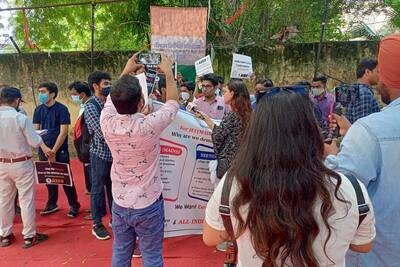

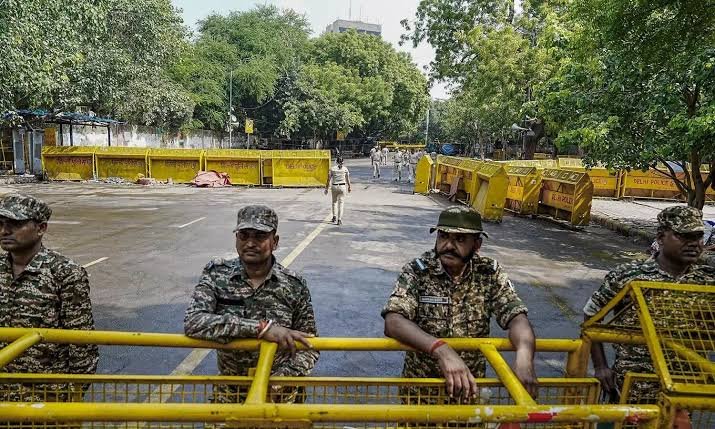
The NEET (National Eligibility cum Entrance Test) protests emerged as a response to various grievances related to the centralized medical entrance examination in India. The protests were primarily instigated by students who expressed dissatisfaction with the NEET’s implementation and its implications for their academic futures. Central to their demands were calls for a reassessment of the examination’s difficulty level, uniformity in syllabi across states, and the abolition of the eligibility criteria that some argued was discriminatory.
Students from diverse backgrounds rallied together at Jantar Mantar, which became a pivotal location for their demonstrations, symbolizing unity and resistance. The gathering was not limited to students; numerous stakeholders, including parents, teachers, and medical aspirants, participated actively, amplifying the movement’s reach. Their collective frustration stemmed from the perception that NEET not only created unnecessary barriers to education but also compounded issues of equity and accessibility within the medical education system.
The protests lasted for 36 days, essentially turning Jantar Mantar into a hub of activism and dissent. Significant events unfolded during this period, such as hunger strikes, marches, and numerous rallies which garnered media attention. These activities illustrated not just the scale of support but also highlighted the emotional toll the examination’s pressures placed on students. Furthermore, the protests sparked conversations across the country about the broader implications of the NEET on health education and policy reforms.
The culmination of these events not only demonstrated the tenacity of the students but also pushed relevant authorities to reconsider the prevailing operations surrounding NEET, reflecting a growing sentiment for change within the educational landscape.
Key Events During the 36-Day Protest
The 36-day protest at Jantar Mantar, which was primarily aimed at voicing concerns regarding the National Eligibility cum Entrance Test (NEET), was marked by various significant events, rallies, and speeches that drew attention from both supporters and the media alike. The protest began with a gathering of students and parents, highlighting their grievances about the NEET exam process, particularly its impact on aspiring medical students in India.
As the first week progressed, the protesters organized daily rallies featuring speeches from several prominent figures, including students’ leaders and educational activists. These speeches echoed the frustrations of many, emphasizing the need for reforms in the NEET system and a more accessible educational framework. Notable speakers such as Arjun Sharma, a student leader, passionately articulated the struggles faced by candidates, stating, “It is imperative that we stand together to demand a fair chance in our education journey.” This rallying cry resonated throughout the protest, fostering a sense of unity among participants.
Over the course of the protest, the demonstrators employed various strategies to maintain momentum and visibility. Coordinated social media campaigns were launched to raise awareness and gather support, employing hashtags that trended nationally and brought national attention to the cause. Furthermore, amidst ongoing negotiations with authorities, there were instances of confrontations, including a notable clash during a march towards the Parliament, where police intervened to prevent the protesters from advancing further.
Despite these challenges, the spirit of the protest did not wane. Participants recounted experiences of solidarity and hope, with many expressing the view that their efforts were not in vain. The determination displayed by participants throughout this extensive protest period highlighted the collective struggle of students advocating for their rights in the face of systemic educational challenges.
The Resolution and End of the Protests
After 36 days of relentless demonstrations, the protest against the National Eligibility cum Entrance Test (NEET) has reached a resolution. The culmination of these protests can be attributed to a series of productive negotiations between representatives from the protesting students and government officials. Initially sparked by grievances related to the NEET examination and its implications for aspiring medical students, the protests garnered widespread attention and support from various segments of society, leading to increased pressure on the authorities to address the concerns raised.
During the negotiations, significant concessions were made by the government, which included the establishment of a committee empowered to review the NEET processes and to gather feedback from stakeholders, particularly students. This committee aims to ensure that the NEET examination remains fair, transparent, and in tune with the aspirations of the student community. Protesters expressed cautious optimism over this development, as the commitment to reassess certain aspects of the NEET examination brings hope for reform that could alleviate some of the pressures associated with the exam.
The reaction to the resolution was varied. Many protesters viewed the outcome as a victory, acknowledging the importance of student activism in influencing policy discussions. Conversely, some government officials emphasized the need for balance in maintaining rigorous academic standards, asserting that while they recognized the concerns, the integrity of the examination must also be upheld. Furthermore, the general public expressed mixed feelings; while many supported the necessity for reform, others were wary about the implications of altering established processes.
Ultimately, the resolution of the NEET protest not only marks a pivotal moment for student activism in India but also serves as a reminder of the power of collective action in advocating for educational reforms. The upcoming implementation of the committee’s findings will be closely monitored as stakeholders await improvements that could shape the future landscape of medical admissions in the country.
The Aftermath and Reflections on Social Movements
The conclusion of the 36-day NEET protests at Jantar Mantar marks not just the end of a significant event but also the beginning of a broader conversation on the role of student activism in India. This social movement has showcased the power of youth engagement in challenging policies that affect their educational and professional futures. The NEET protests have become emblematic of the struggle for educational equity, particularly highlighting the challenges faced by students from marginalized backgrounds.
As the dust settles, the implications of these protests continue to reverberate across the educational landscape. The active participation of students indicates a growing awareness and willingness to advocate for change, thus setting a precedent for future social movements. It is essential to recognize that such expressions of dissent are vital components of a healthy democracy. They provide a platform for voices that are often underrepresented, pushing for reforms that aim to improve access to education.
Moreover, the NEET protests serve as a crucial lesson for both students and policymakers. For students, the experience has highlighted the importance of organization and solidarity in addressing grievances. Conversely, policymakers must acknowledge the demands expressed during these protests and reflect on the need for reforms that ensure educational fairness and accessibility for all. The reaction to these movements has the potential to shape educational policies moving forward, promoting inclusivity in academic environments.
The overarching significance of the NEET protests extends beyond immediate concerns—it’s a vital reminder of the necessity of active civic engagement. As societies evolve, so do the challenges faced, and the ability to mobilize effectively is paramount. The future of educational equity and the role of youth in political advocacy are intrinsically linked, revealing the ongoing need for such movements to influence change within the democratic process.