



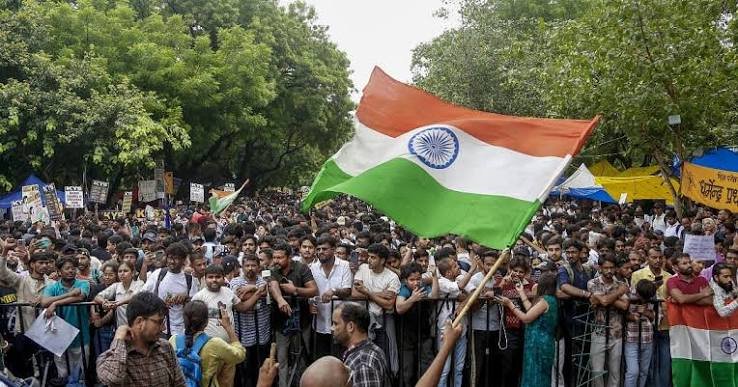
NEET The Collective of JEE Unemployed (CJP) has been at the forefront of protests against the alleged leak of the NEET (National Eligibility cum Entrance Test) papers, a situation that has sparked significant uproar among the student community. These protests, which commenced 26 days ago, have seen a rapid escalation in numbers as students express their outrage over what they perceive as an injustice to their future academic prospects.
The situation first came to light when reports surfaced regarding discrepancies in the NEET exam papers, raising questions about the integrity of the examination process. As students began to mobilize, the CJP coordinated efforts to amplify their demands for accountability and transparency from the relevant authorities. On social media, students shared their personal stories of hardship, underscoring the importance of fair access to medical education and careers, thereby gaining traction for their movement.
Throughout the past 26 days, protests have varied in scale, from localized demonstrations in colleges to larger assemblies at key locations in cities. Students, hailing from diverse backgrounds, have joined forces to advocate for their rights, creating a vibrant network that transcends borders of region and social class. The demographics of the protesting group are predominantly young individuals, many of whom have been preparing for the NEET exam for years, with the goal of embarking on a career in healthcare.
Motivated by a sense of urgency and a demand for system reform, these students call for a thorough investigation into the NEET paper leak incident, urging governmental intervention to ensure future examinations are conducted fairly. As the protests gain momentum, participants remain resolute in their quest for a response from the government, emphasizing the need for comprehensive measures to restore trust in the examination process.
Key Demands of the Protesters
The ongoing protests regarding the NEET examination paper leak have brought forth a series of demands from the student community and relevant stakeholders. These demands highlight the collective frustration towards the current examination processes and aim to bring about significant reforms in the education system in India.
One of the primary demands is a comprehensive re-evaluation of the NEET examination procedure. Protesters argue that the integrity of the examination has been compromised due to the leak, and a thorough reassessment is essential to ensure fairness and transparency. They propose that each affected candidate should have a chance to retake the examination under strict supervision to restore public confidence in the system.
Another crucial demand involves accountability measures targeting those responsible for the leak. Protesters insist that there must be stringent repercussions for individuals or organizations found negligent in safeguarding the examination process. This call for accountability is aimed not only at punishing wrongdoers but also at deterring future incidents, fostering a secure environment for students.
Additionally, the student body is advocating for systemic reforms in the NEET examination framework. This encompasses demands for the inclusion of more equitable assessment methods, which could alleviate the heavy reliance on a single examination to determine a student’s future. Suggestions have also emerged to enhance the accessibility of NEET materials and training programs, particularly for underprivileged and rural students.
Ultimately, the key demands of the protesters are a reflection of a larger desire for transparency, fairness, and progressive change within the education system, particularly pertaining to standardized testing such as NEET. These changes aim to ensure that such incidents do not occur in the future, thus safeguarding students’ rights and futures.
Government and Centre’s Response to the Protest
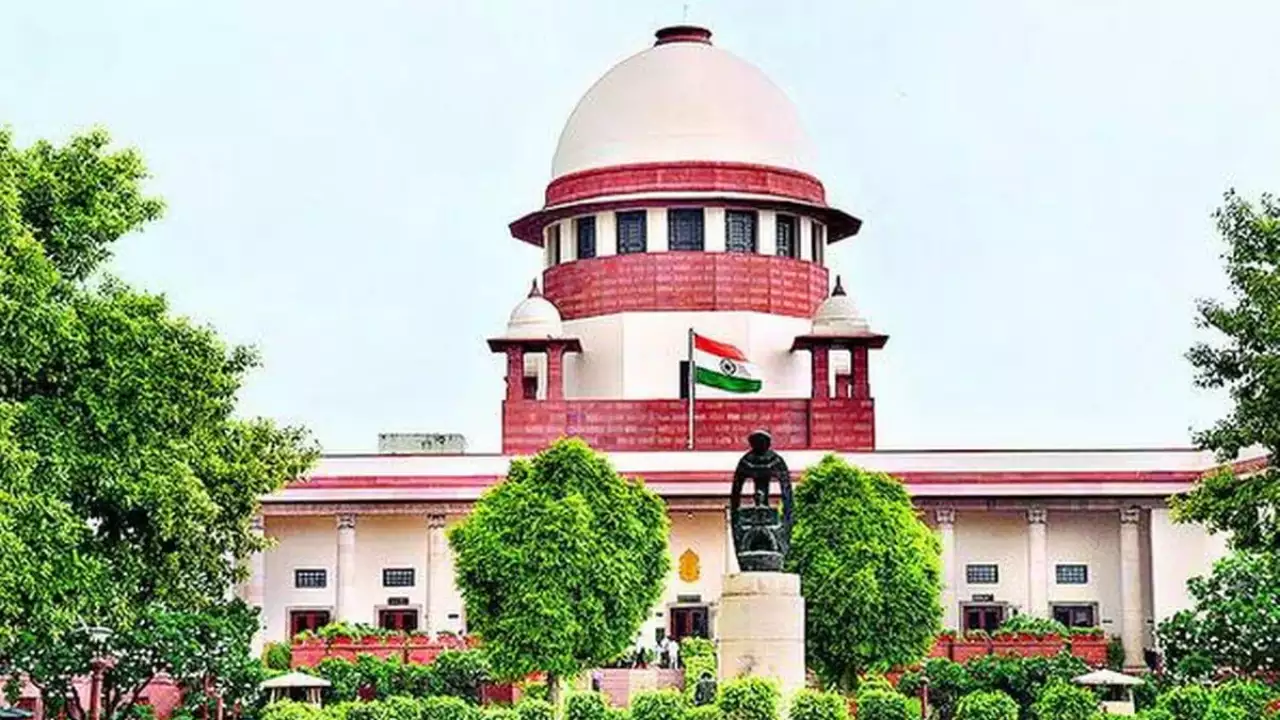
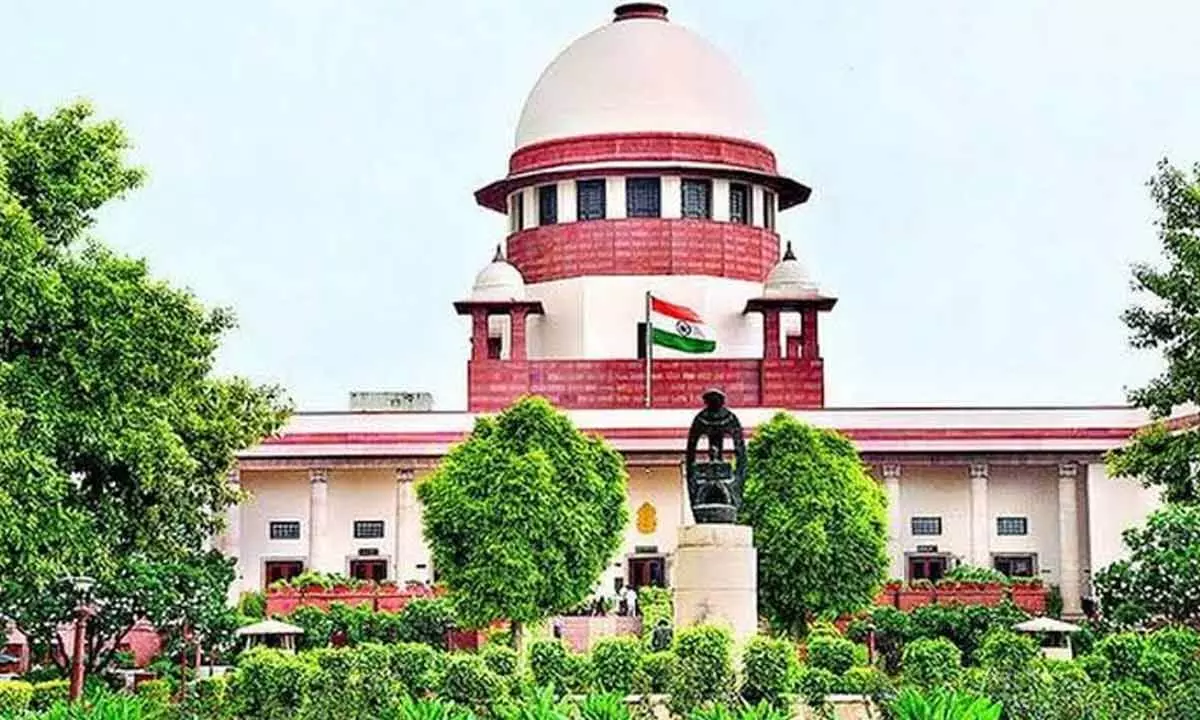
The ongoing protests surrounding the NEET paper leak have prompted significant reactions from various levels of government authorities. Local and central officials have been closely monitoring the situation and how it develops. In recent days, key representatives from the Ministry of Education have issued statements addressing the unrest, highlighting their commitment to maintaining the integrity of the examination process. They have assured the public that a thorough investigation is underway regarding the NEET paper leak allegations.
Officials have reiterated that any proven misconduct related to the examination will be dealt with firmly. They emphasize that the integrity of the NEET examination is a priority for the government, aiming to assure students and stakeholders of their commitment to a transparent process. Despite repeated calls from protesters for immediate action, the central government’s position remains focused on investigation rather than immediate punitive measures.
Additionally, there have been discussions held between representatives of the protesting groups and government officials. These meetings aimed to facilitate dialogue regarding the protesters’ demands, which include a comprehensive inquiry into the NEET paper leak, the annulment of current examination results, and reform in the examination process to prevent future incidents. While these discussions have been described as constructive, formal agreements have not yet been reached. Some officials believe this ongoing communication is essential in easing tensions and finding a resolution that addresses the concerns of all involved parties.
As the protests continue into their 26th day, the government reassures citizens that the investigative process is being conducted to ensure accountability and transparency. This response underscores the challenge faced by government authorities in balancing the demands of the protesters while upholding the legal and procedural frameworks that govern the examination system.
Impact and Future Implications of the Protest
The ongoing protests against the NEET paper leak have significant implications that extend beyond the immediate concerns of students and regulators. Analyzing the potential outcomes of these protests involves considering both the short-term effects on the NEET examinations and the long-term transformations in the educational landscape for medical aspirants in India.
In the short term, the protests could catalyze immediate reforms in the NEET examination process. If the demands of the protesters are met, including improved transparency, accountability in examination administration, and strict measures against malpractice, future NEET examinations may see substantial operational changes. These reforms could lead to increased trust in the examination system, potentially enhancing the overall experience for students who often view the NEET as a high-stakes hurdle.
In terms of long-term implications, the protests symbolize a growing awareness and vocalization of grievances within the educational environment in India. The outcome could set a vital precedent on how similar issues are addressed, influencing not only the medical entrance examinations but also other competitive exams. With the push for systemic changes, there is potential for the educational sector to foster a more robust mechanism for addressing and rectifying grievances. Furthermore, the current situation is indicative of a larger trend where students are becoming increasingly unafraid to express concerns over various educational policies.
The public sentiment surrounding these protests reflects a desire for reform and better standards in the education system. Many view the NEET paper leak as merely a symptom of deeper issues, such as the commercialization of education and the need for equitable access. Educators, policymakers, and stakeholders must recognize this movement as an opportunity to initiate meaningful dialogue regarding the future of education in India. The outcomes of these ongoing protests may very well shape the pathway for future reforms, impacting not just medical education but the broader educational framework in the country.