


The State of Medical Education Before NEET
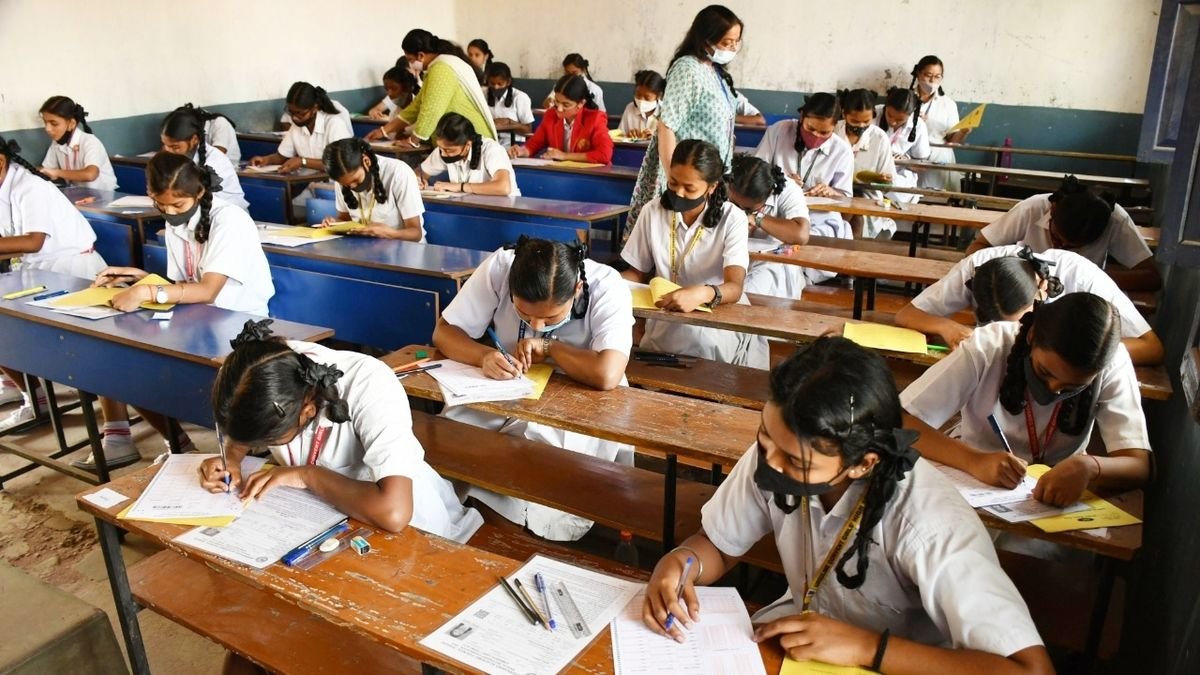
Medical Education in India : Prior to the introduction of the National Eligibility cum Entrance Test (NEET), the landscape of medical education in India was considerably different, marred by issues of rampant commercialization and accessibility challenges. Medical institutions, both public and private, were often cited for treating education as a lucrative business rather than a noble vocation. The commercialization of medical education led to situations where it became alarmingly common for medical seats to be auctioned off to the highest bidder. This practice not only tarnished the integrity of these institutions but also perpetuated inequality in access to medical education.
One of the most egregious aspects of this commercialism was the price tag attached to medical seats. Aspiring doctors and their families were often compelled to pay exorbitant sums, with reports indicating that prices could range from Rs 8 crore to as high as Rs 13 crore per seat. Such staggering figures underscored a systemic flaw where only affluent individuals could afford medical education, thereby excluding a significant portion of meritorious yet financially weaker sections of society. This approach compromised the principle of meritocracy, which is foundational to educational equity and quality healthcare.
The adverse effects of this commercial approach extended beyond the financial burden on students and their families. It also resulted in a focus on profit over quality, leading to situations where the caliber of education provided by these institutions was questionable. With seats being sold to the highest bidder regardless of academic aptitude, the overall quality of medical professionals entering the healthcare sector became inconsistent. This phenomenon posed a long-term risk to public health, as the competency of healthcare providers is fundamental to effective medical care.
This backdrop of rampant commercialization and inequity in the medical education sector created an urgent need for reform. In this context, the introduction of NEET aimed to streamline admission processes and restore merit and accessibility to medical education in India, marking a significant shift from past practices.
“`html
The Advent of NEET and its Objectives : Medical Education in India
The National Eligibility cum Entrance Test (NEET) was introduced with the core objective of standardizing medical education across India. Prior to its implementation, entrance examinations for medical colleges were conducted at both national and state levels, resulting in a fragmented and often inconsistent selection process. NEET was envisioned as a singular, unified platform to streamline the admission procedures, ensuring a transparent and merit-based system for aspiring medical students.
A primary reason behind the introduction of NEET was the need to address the growing concerns of corruption within the admission process. Before NEET, discrepancies in evaluation criteria and the prevalence of multiple entrance exams left room for manipulation and favoritism. By establishing NEET, the government aimed to curb these malpractices, offering a fair and rigorous assessment that rewards academic excellence.
Beyond combating corruption, NEET also sought to level the playing field for students from different socioeconomic backgrounds. By having a single, standardized examination, NEET minimizes the disparities in resources and coaching opportunities that could otherwise advantage students from more affluent backgrounds. The test is designed to measure one’s grasp of the syllabus uniformly, thereby promoting equal opportunity and access to medical education for all aspirants.
Despite its well-intentioned objectives, NEET’s implementation was not without challenges and criticisms. Initial apprehensions arose from students and parents who feared the transition to a single exam would be too abrupt. Concerns were voiced regarding syllabus discrepancies between different education boards and linguistic barriers, which could disadvantage non-English medium students. Additionally, debates about the centralization of medical admissions raised questions about federal autonomy in educational matters.
Nevertheless, NEET has progressively gained acceptance and is viewed as a milestone in the endeavor to bring about integrity and equality in medical education in India.
“`
J.P. Nadda’s Exposition in Rajya Sabha: Key Points
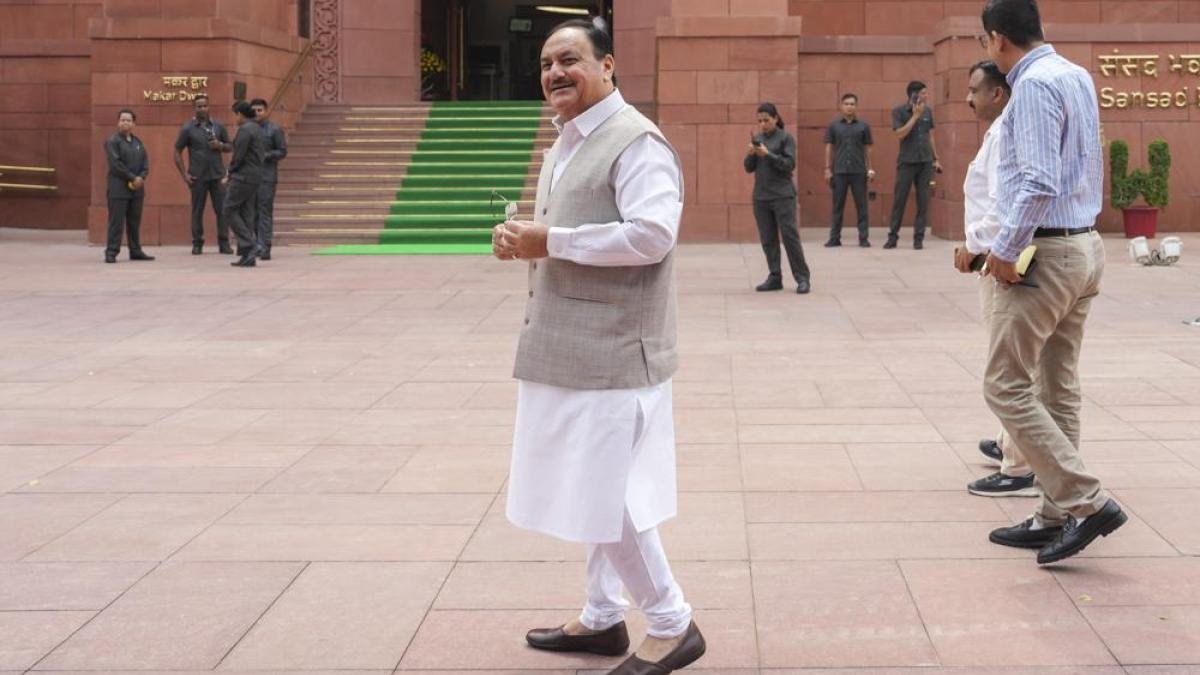
In his address to the Rajya Sabha, J.P. Nadda elucidated the transformative impact of the National Eligibility cum Entrance Test (NEET) on medical education in India. He elaborated on the state of medical education prior to the implementation of NEET, highlighting numerous discrepancies that plagued the admission process. Nadda underscored how the NEET reforms have spearheaded a shift towards greater transparency and meritocracy. This standardized test has ensured that admissions are based purely on academic performance, curbing the arbitrary practices previously prevalent.
Nadda pointed out that before NEET, the medical admission process was riddled with opacity and favoritism, leading to inequitable access for meritorious but economically weaker students. The advent of NEET has leveled the playing field by providing a uniform platform where candidates are assessed on identical parameters, thereby fortifying the principles of fairness and aptitude-based selection.
Key statistics shared by Nadda included a remarkable increase in the number of candidates appearing for NEET, which serves as a testament to its widened accessibility. For instance, he cited that the number of candidates had surged to over 1.5 million in recent years, reflecting the test’s growing acceptance and the intensified competition it fosters.
Nadda also described the stringent regulations and robust checks instituted post-NEET to combat the malpractice of seat selling. These measures include implementing multiple layers of verification and audit processes to ensure that every admitted candidate meets the merit criteria. Further, he mentioned the role of technology in monitoring the admission process, which has introduced a much-needed level of scrutiny and accountability.
To contextualize the reform’s success, Nadda provided examples of institutions that have embraced the new system with heightened efficacy, citing cases where transparency has been restored, and merit has prevailed. These improvements, he argued, have not only elevated the quality of medical entrants but also instilled confidence among aspirants and stakeholders in the educational framework.
Implications and Future Prospects : Medical Education in India
The implementation of the National Eligibility cum Entrance Test (NEET) in India’s medical education system represents a significant shift toward standardizing and elevating the quality of medical education. One of the broader implications of NEET is the establishment of a uniform benchmark for medical aspirants, which has enhanced the meritocracy and fairness of the selection process. This standardization ensures that student admissions are based on a consistent evaluation framework, thereby reducing discrepancies caused by varied state-level entrance examinations.
Quality of Medical Education in India has seen improvements due to these reforms. Uniform entry criteria have compelled institutions to elevate their teaching standards and infrastructure. As a result, students are receiving education that is more rigorous, coherent, and aligned with national and international medical standards. This alignment not only benefits students during their academic careers but also when they step into the medical profession, making them more competitive globally.
However, despite these advancements, substantial challenges remain. Accessibility to medical education, particularly in rural regions, continues to be an issue of concern. Efforts must be amplified to ensure that economically disadvantaged students also benefit from these educational improvements. Scholarships and financial assistance programs tailored for underprivileged students can help bridge this gap.
Furthermore, the adequacy of medical seats, especially in government colleges, is another major concern. While the NEET has streamlined the admissions process, the limited availability of seats remains a bottleneck. To address this, there is a pressing need to increase the number of medical colleges and enhance their capacity. Government policies must focus on expanding infrastructure, recruiting qualified faculty, and fostering an environment conducive to quality education.
Looking ahead, the reforms introduced via NEET have the potential to profoundly shape the future landscape of the medical profession in India. Enhancing existing policies and addressing ongoing challenges can pave the way for a more inclusive, high-quality, and equitable medical education system. This forward momentum is crucial for the creation of a robust healthcare workforce capable of meeting both national and global health challenges.