




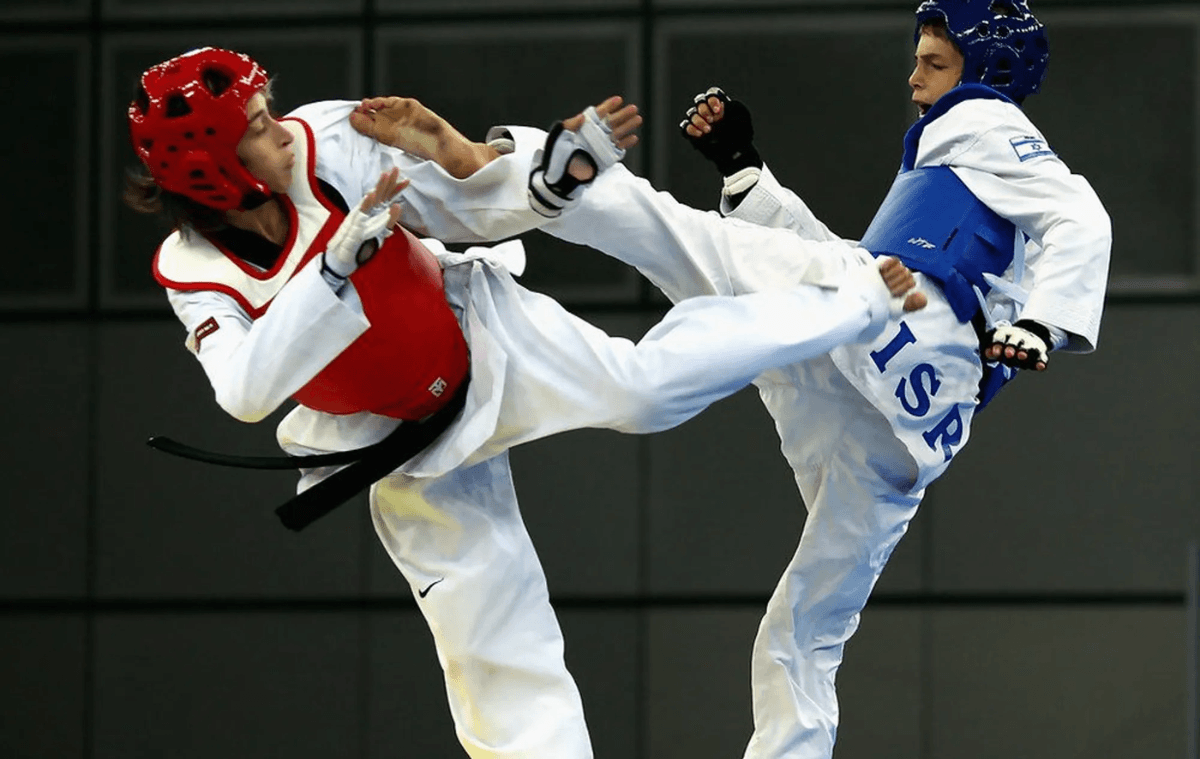
The incident in question occurred during a local taekwondo competition attended by numerous practitioners and spectators alike. Set in a gymnasium filled with enthusiastic supporters, the event had been meticulously organized to showcase the skills and agility of aspiring martial artists. Participants from various age groups competed, each eager to demonstrate the techniques and discipline they had learned over the years. The atmosphere was electric, heightened by the exciting displays of athleticism and competitive spirit.
Prior to the competition, all participants had reviewed the rules governing taekwondo sparring. These regulations were in place to ensure fairness and safety. Notable rules included the prohibition of excessive force, strikes to the head unless authorized by protective gear, and strict guidelines for scoring points through controlled techniques. It was emphasized that fighters should maintain a level of respect for their opponents while adhering to the predefined conduct during matches.
On the day of the incident, a class 12 student, who had been training diligently for months, represented their school with pride. As the student stepped onto the mat for their match, the excitement mingled with nervous anticipation. The officiating team, responsible for upholding the competition’s integrity and ensuring the players were abiding by the established rules, maintained a vigilant presence. However, as the match progressed, a combination of rapid movements and the adrenaline associated with the competition led to a situation where a kick, intended to score, resulted in an unforeseen accident.
This event highlighted the importance of proper officiating during taekwondo competitions. The adherence to safety protocols not only helps in preventing injuries but also cultivates a conducive environment for athletes to compete effectively. As the incident unfolded, it underscored the need for rigorous training for referees to better manage such high-stakes encounters.
Impact on the Student and Family
The incident involving the kick to the head during a Taekwondo practice had immediate and severe repercussions on the student’s health. Following the impact, the student experienced a traumatic brain injury that necessitated urgent medical intervention. Initially, the student was unconscious and subsequently required life support, resulting in their current condition of dependency on a ventilator. The challenges of such a medical crisis are substantial; not only does the student face a protracted recovery period, but the long-term implications for their quality of life are still uncertain.
For the family, the emotional and psychological toll has been profound. Parents and siblings have been thrust into a turmoil of fear and anxiety as they grapple with the reality of their loved one’s condition. Daily visits to the hospital have turned into a routine marked by uncertainty and emotional strain. The family’s concerns extend beyond the immediate threat to the student’s well-being; they now face the possibility of extended rehabilitation and the potential for lasting effects on the student’s cognitive and physical abilities.
Moreover, the incident has ignited a wave of distress and anger within the family unit. Questions around safety protocols and protective measures in Taekwondo sparring sessions have arisen, causing them to reevaluate their views on martial arts training as a whole. The mental health impact on the family cannot be understated, as they navigate feelings of helplessness and frustration regarding the healthcare system and the ensuing challenges of effectively communicating their needs and concerns.
In the wake of this life-altering event, the family remains vigilant, advocating for their child’s care while also seeking answers about safety in sports practices. The resilience of the family during this crisis illustrates the intricate dynamics that accompany injury and recovery, highlighting the ripple effect such incidents have on loved ones.
Role of Referees in Ensuring Safety
In any competitive sport, particularly in martial arts such as Taekwondo, the role of referees is paramount in safeguarding the participants. Referees are not merely officials who oversee the matches; they are trained professionals whose primary responsibility is to ensure the safety of the competitors while maintaining the integrity of the sport. Their training typically includes extensive education on the rules and regulations of Taekwondo, as well as specific guidelines on how to identify and address potentially dangerous situations.
During a match, referees are tasked with monitoring the fighters for violations of the rules, but their role extends far beyond that. They must possess the ability to recognize when a situation may escalate into a dangerous one, which requires quick thinking and astute judgment. For instance, if a competitor is clearly injured or unable to defend themselves effectively, referees are expected to intervene immediately to stop the match. This quick response is crucial in preventing further harm and ensuring the well-being of the athletes.
Furthermore, referees are trained to maintain a level of authority and control during high-pressure situations. They are responsible for issuing warnings and penalties for infractions, which contributes to a safer competitive environment. The implications of a referee’s inaction can be severe; failure to respond appropriately can result in serious injuries or, in the worst cases, long-term health issues for the athletes involved. Consequently, thorough and ongoing training for referees is essential not only for their effectiveness but also for the safety of all participants in Taekwondo tournaments.
By understanding the essential duties of referees, participants and spectators alike can further appreciate their role in ensuring that martial arts events are conducted safely and fairly. A well-trained referee is vital to the smooth execution of each match and to the protection of the athletes, embodying the spirit of sportsmanship inherent in Taekwondo.
Calls for Change in Taekwondo Regulations
The recent incident within a taekwondo competition has ignited significant discourse regarding safety regulations in the sport. Parents, athletes, and various sports organizations are increasingly vocal about their concerns, emphasizing the need for enhanced protective measures. These discussions echo a growing awareness of the risks associated with contact sports and the responsibility of governing bodies to address these challenges.
One of the primary calls for reform includes improved training for referees officiating taekwondo matches. Referees play a crucial role in ensuring the safety of competitors by enforcing rules consistently and effectively. Strengthening the training regimen for referees can lead to more informed decisions during competitions, thereby minimizing the risk of serious injuries. Moreover, better-educated officials can respond more competently to dangerous situations as they arise.
In addition to referee training, there is a push for stricter enforcement of existing safety protocols. Competitions should rigorously adhere to guidelines promoting the health and welfare of athletes. This might include regular health screenings prior to events and mandatory reporting of injuries sustained during matches. By implementing such measures, organizers can cultivate an environment that prioritizes athlete safety.
Heightened awareness about head injuries and their long-term effects is another vital aspect of the current discourse. As medical research reveals more about the impact of concussions and similar injuries, it becomes imperative for taekwondo organizations to adopt practices that reduce exposure to such risks. Educational initiatives aimed at athletes, coaches, and parents can facilitate a culture of safety within the sport.
Ultimately, the call for change in taekwondo regulations stems from a collective desire to protect athletes and ensure their well-being. The integration of enhanced referee training, strict enforcement of safety protocols, and increased awareness about injury prevention are essential steps in making taekwondo a safer sport for all participants.