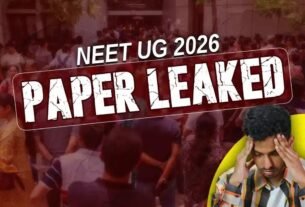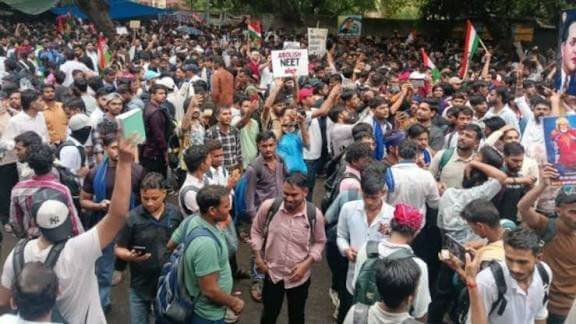
The National Eligibility cum Entrance Test for Undergraduate (NEET-UG) has been a subject of contention among students in India since its inception. The protests surrounding NEET-UG stem from a long-standing dissatisfaction with the examination process, which many students and their supporters argue is fraught with systemic issues. One of the primary grievances is centered on the perceived difficulty and the one-size-fits-all nature of the examination, which they believe fails to accommodate the diverse educational backgrounds of aspiring medical students.
There are several motivating factors behind the protests. Primarily, students from rural and underprivileged backgrounds have expressed frustration over the level of competition that NEET-UG presents. They argue that the examination favors candidates from urban areas with better access to resources, coaching centers, and preparatory materials. This disparity raises concerns regarding equity and fairness in the assessment process, propelling students to voice their opinions more forcefully.
Specific instances have acted as catalysts for these protests, one of which occurred following the release of NEET results that highlighted significant performance gaps among students from different socioeconomic backgrounds. Additionally, allegations of malpractice and issues pertaining to examination protocols have further fueled the discontent. In response, student organizations and advocacy groups have united to call for reforms that include a more comprehensive evaluation approach, merit-based admissions, and equitable access to preparatory resources.
The demands made by the student community reflect their desire for a more inclusive and transparent examination system. While the NEET-UG was introduced to streamline medical admissions, the protests reveal a growing consensus that the current system requires urgent reconsideration and reform to ensure that it serves all students fairly.
Supreme Court’s Stance on the HPEC Decision
The recent decision by the Supreme Court concerning the Health Professional Education Committee’s (HPEC) ruling on the NEET-UG examinations has garnered significant attention within the educational sector. By declining to interfere with the HPEC’s decision, the apex court reaffirmed its stance on maintaining the integrity of established educational processes. The court’s reasoning was rooted in the belief that the HPEC’s framework duly considers various factors pivotal to the medical entrance examinations, ensuring a level playing field for all NEET-UG aspirants.
This refusal to alter HPEC’s decision reflects the judiciary’s inclination to uphold institutional governance in educational reforms. The Supreme Court emphasized the importance of adhering to procedural compliance and the necessity of such frameworks in mitigating disparities that may arise from arbitrary changes in examination policies. By respecting the judgments made by specialized committees such as the HPEC, the Supreme Court aims to bolster the overall legitimacy of the medical education system.
Moreover, the implications of this ruling extend beyond immediate concerns for students. It signals to educational institutions that the judiciary values the autonomy of regulatory bodies designed for overseeing education. For students preparing for the NEET-UG, this decision clarifies the expectations and requirements set forth by HPEC without introducing unpredictable elements that could affect their preparation.
In a broader context, the court’s stance aligns with previous legal precedents that have aimed to streamline educational reforms, reinforcing the notion that such changes must come from structured deliberation rather than abrupt judicial intervention. As such, this decision serves as a critical reference point for future discussions about reforms in medical education, underscoring the delicate balance between judicial oversight and institutional independence.
Investigation into the Use of Pellet Guns and Alleged Excesses
The Supreme Court’s recent directive has prompted an inquiry into the controversial use of pellet guns by law enforcement during the NEET-UG protests. This decision follows numerous reports of excessive force employed against students asserting their right to peaceful assembly. The implications of this investigation extend beyond the immediate context of the protests, as it raises critical questions about police practices and accountability in handling demonstrations.
In the wake of the protests, there has been a growing concern about the impact of using pellet guns—a method criticized for its potential to cause severe injuries or even fatalities. The Supreme Court’s inquiry aims to scrutinize these tactics and determine their appropriateness in a democratic society, where citizens are entitled to express dissent and advocate for their rights without fear of violent reprisals.
This investigation could set a vital precedent, potentially influencing how law enforcement agencies respond to future protests. If the inquiry leads to findings that condemn the use of excessive force, it might encourage reforms in police conduct and the adoption of more humane crowd control measures. Moreover, it can reinforce the notion that students and citizens have the fundamental right to protest peacefully, ensuring their voices are heard in matters affecting their lives and futures.
Additionally, the outcome of the inquiry may find significant support among human rights advocates and student organizations, who have long campaigned for better protections during protests. The findings could lead to increased transparency and accountability for law enforcement agencies, sparking a broader dialogue on civil liberties and the responsibilities of the state to safeguard the rights of its citizens.
As this investigation unfolds, it will be crucial to monitor its developments and understand its broader implications for public protests, students’ rights, and police accountability.
Future Prospects and Recommendations for Escalating Tensions
The NEET-UG protests have highlighted significant concerns within the educational framework that require attention from multiple stakeholders, including educational authorities, the judiciary, and student organizations. As these protests continue to shape the discussions surrounding medical college admissions in India, it is crucial to examine potential future scenarios that may arise should tensions escalate further.
One scenario involves governmental interventions aiming to address student grievances. Educational authorities may introduce reforms focusing on transparency and fairness in the NEET-UG examination process. Efforts could be made to reevaluate the examination’s format, accessibility, and support mechanisms. This might involve advisory committees comprising students and educators to ensure that diverse perspectives are considered in any proposed changes.
Simultaneously, there is a possibility of judicial involvement. Courts may be petitioned to review the regulations and policies governing NEET-UG, especially if protests continue to intensify. Judicial outcomes can set critical precedents and influence policy changes, impacting how the examination is administered in the future. In this context, it’s vital that students engage with legal frameworks to assert their rights while providing feedback for improvement.
Moreover, fostering dialogue between student bodies and government officials is paramount. Establishing platforms for direct communication can help alleviate misunderstandings and build trust. Forums or roundtable discussions could serve as constructive avenues for exchanging views and negotiating solutions. It is essential that both parties approach these discussions with a commitment to cooperation and resolution.
Finally, it is essential to prioritize mental health and well-being in the ongoing discourse surrounding NEET-UG. Adequate support systems should be implemented to aid students who may be feeling overwhelmed by the pressures of the examination and the protests. Addressing these aspects holistically can help pave the way for a more harmonious educational environment.